The day after the rout, AMD answers back
One day after the Nasdaq suffered its worst sell-off since April, Advanced Micro Devices gave investors a powerful reason to believe in artificial intelligence chips again. The American chipmaker reported its strongest quarterly results in its history late on Thursday, with data centre sales nearly doubling in a year — and its shares jumped in premarket trading on Friday while the wider market was still counting Thursday’s losses.
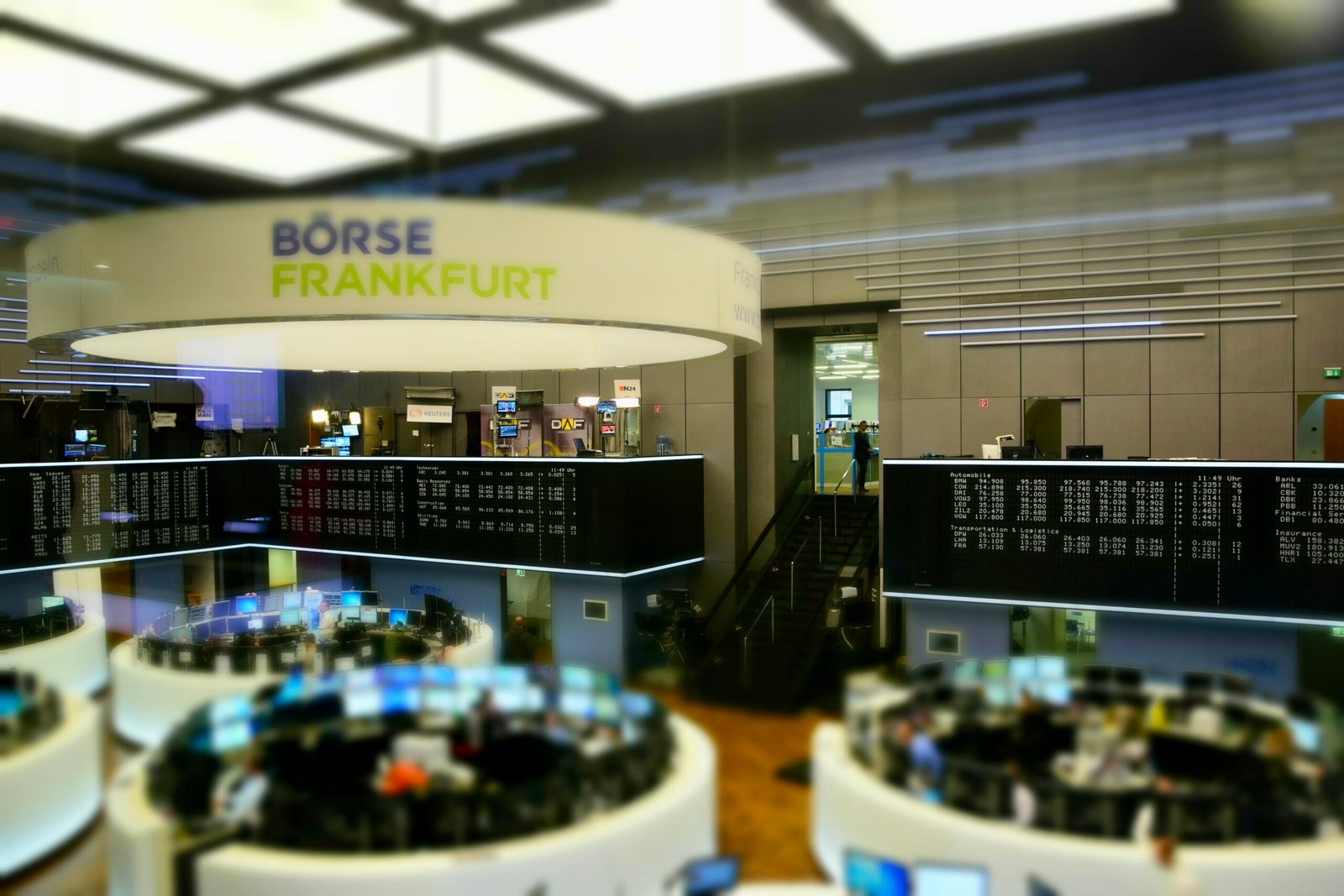
The timing could hardly have been more dramatic. On Thursday, the Nasdaq Composite fell 5.52 percent in its worst day since April 2025, wiping about three trillion dollars from the market as investors questioned whether the huge spending on AI infrastructure would ever pay off. AMD itself was caught in the rout, falling 17.26 percent in the session. Barely hours later, its earnings showed the demand behind that spending is still growing fast.
A record quarter by every measure

AMD’s third-quarter results beat Wall Street on every headline number. Data centre revenue surged 97 percent from a year earlier to 8.55 billion dollars, comfortably ahead of the 8.20 billion dollars analysts had expected. Earnings came in at 2.09 dollars per share, against a forecast of 1.95 dollars. Total revenue jumped 45 percent to 13.38 billion dollars — the best quarter the company has ever reported.
Investors responded at once. AMD shares rose 7.3 percent in premarket trading on Friday, a move set to add roughly 58 billion dollars to the company’s market value and carry it into the trillion-dollar club. The shares have now gained about 126 percent so far this year, a remarkable run for a company that spent much of the decade in the shadow of its larger rivals.
Data centres are now two-thirds of AMD
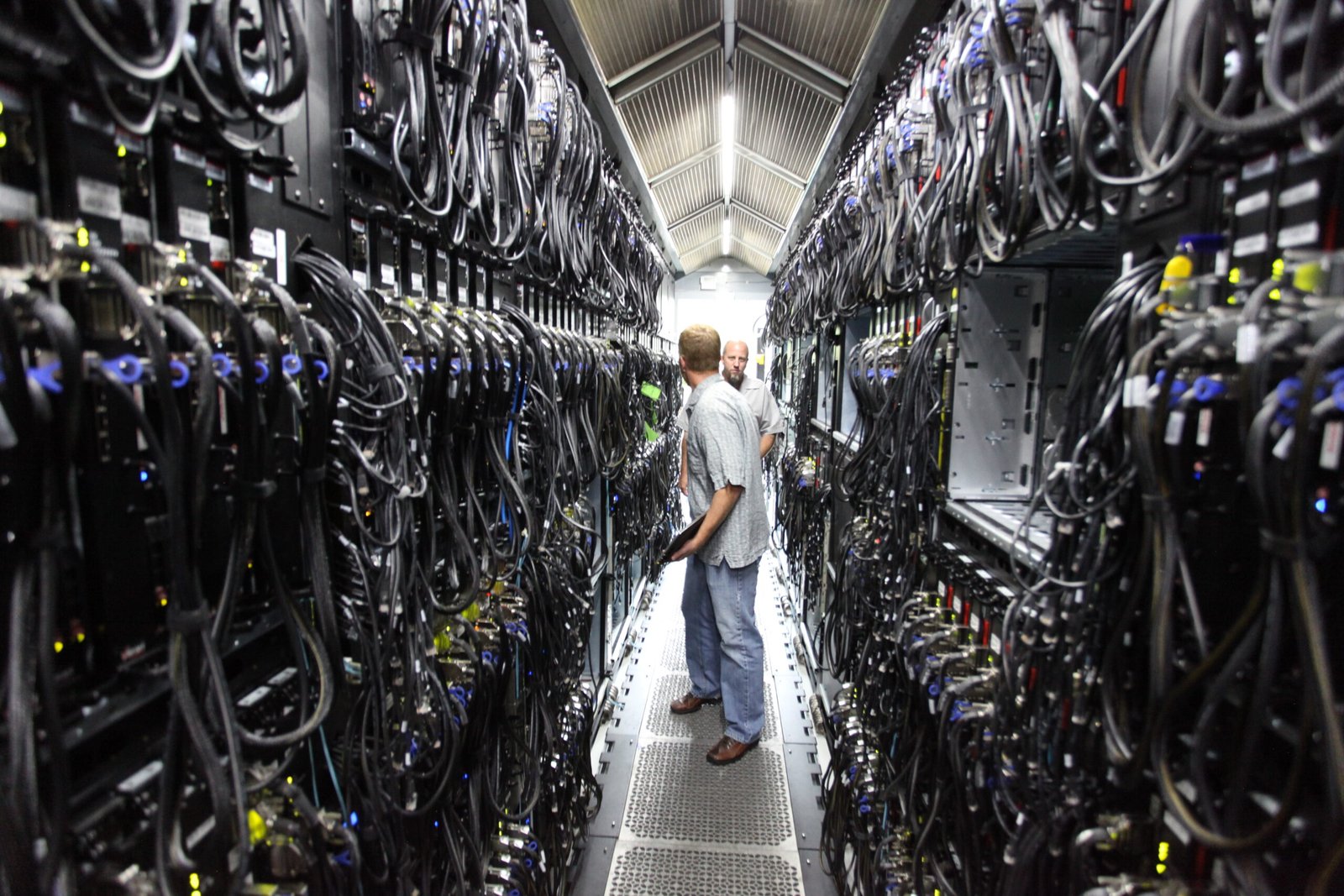
The most striking number in the report is not the growth rate but the shape of the business. Data centre products now account for 64 percent of AMD’s total revenue, up from just 47 percent a year earlier. In twelve months, AMD has gone from a company that sold a lot of PC and gaming chips to one that is mainly a data centre supplier.
That shift is the whole story of the AI boom. The processors and accelerators that power AI training and inference live in data centres, and the companies building those centres — the cloud giants and the AI labs — are buying at a pace that has surprised even the chipmakers themselves. AMD’s chief executive, Lisa Su, said demand was strong “across the data-center business, across our CPU business, as well as our data-center AI business”, and added that the company had been preparing for this growth for several years.
EPYC, agentic AI and the Venice generation

Behind the numbers sits AMD’s EPYC line of server processors. The fifth-generation EPYC chips, codenamed Turin, have become the most widely deployed EPYC generation in the public cloud, available in more than 540 instance types from the largest providers. OpenAI has selected EPYC Turin processors as the host chips for its first custom accelerator platforms.
Su pointed to a newer driver of demand: agentic AI — software agents that carry out multi-step tasks on behalf of users. These workloads run more efficiently on CPUs than on graphics processors in many cases, and Su described personal and enterprise agents as “quickly becoming the next killer app for CPUs in the cloud”. Cloud providers have added significant EPYC capacity specifically to serve them.
The next generation is already shipping. The sixth-generation EPYC Venice processors began generating revenue in the third quarter, with manufacturers committing to more than 240 Venice-based platforms — about a fifth more than Turin attracted at the same stage. AMD has also launched Helion, a reference design for a complete rack-scale system holding up to 144 Venice processors with nearly 74,000 threads.
Instinct GPUs and the Helios racks
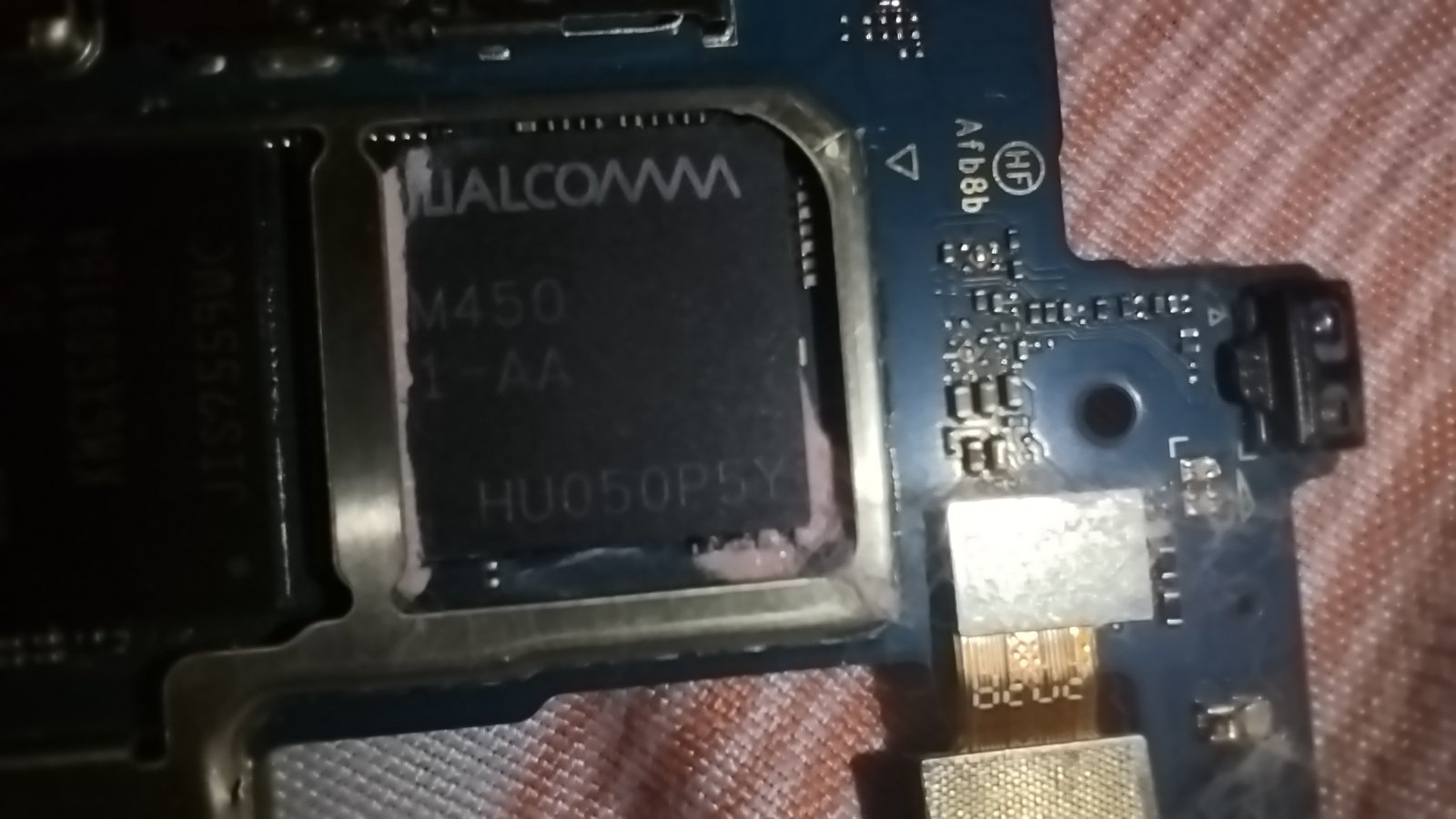
On the graphics side, AMD’s Instinct accelerators are gaining ground as the main alternative to Nvidia’s dominant hardware. The company shipped its Instinct MI455X accelerators in volume during the quarter, and its Helios rack platform — the full system built around those accelerators — is now running live workloads at Anthropic, Meta, Microsoft, OpenAI and Oracle.
Meta said its first Helios racks are already operational, and Su expects deployments to rise substantially in the current quarter as server makers including HPE, Dell, Lenovo and Supermicro begin shipping systems. Analysts at TD Cowen said the results position AMD as the leading alternative to Nvidia in AI hardware, a role the company has chased for years without quite landing.
AMD is also buying its way deeper into AI. In September it announced plans to acquire World Labs, the startup founded by AI pioneer Fei-Fei Li that builds world models for training robots, in an all-stock deal worth 8.2 billion dollars. It has also acquired Taalas, a startup making chips customised to run specific AI models, invested in Stability AI, and committed five billion dollars to Anthropic. Both acquisitions are expected to close by the end of the year.
Lisa Su’s 2027 bet: revenue up more than 80 percent
If the quarter was strong, the outlook was stronger. Su told investors that AMD expects overall revenue to rise by more than 80 percent in 2027, ahead of the 77 percent growth analysts had pencilled in. Server revenue alone is projected to double next year, with AI growth accelerating faster still. For the current quarter, AMD is guiding to revenue of around 17 billion dollars at the midpoint, ahead of the 16.2 billion dollar consensus.
Su also pushed back against the scepticism that triggered Thursday’s sell-off, calling Wall Street’s worries about AI spending “short-sighted” and stressing that AMD invests for the long term, typically three to five years and beyond. She visited Taiwan last month for meetings with TSMC and other supply-chain partners, announcing plans to substantially increase supply next year. “We have worked across our supply chain to secure the wafers, substrates, advanced packaging, memory and other key components needed to support much higher growth next year,” she said.
One note of caution: at about 31 times forward earnings, AMD now trades at more than double the valuation of Nvidia, at 14 times, and Broadcom at 16.5 times. Investors are paying a premium for growth that has to keep arriving.
The other side of the ledger: gaming falls, Intel stumbles
Not every part of AMD is booming. Revenue from its client and gaming segment fell 8 percent to 3.7 billion dollars, with gaming revenue down 40 percent from a year earlier. Su acknowledged that PC sales slowed late in the quarter as higher memory and component costs weighed on demand, and the company expects PC unit shipments across the industry to fall by a double-digit percentage in 2027 — though it expects to outperform the market.
The contrast with Intel is stark. Intel’s shares plunged more than 20 percent last week after it reported weak PC demand, underlining how exposed the company remains to a shrinking PC market with limited AI exposure. AMD’s diversified business, and above all its data centre strength, more than compensated for the same weakness.
What to watch next
The rebound was not limited to AMD. Micron and Sandisk rose about 4.5 percent overnight after Thursday’s crash, helped by strong results from cloud computing provider IREN, whose AI cloud revenue grew 182 percent in a single quarter. The memory-chip makers had fallen 17.46 percent and 22.26 percent respectively on Thursday, so Friday’s move is a recovery, not a new high — and the questions that caused the rout have not gone away.
Democrats swept the US midterm elections this week on a platform that included scepticism about data-centre expansion, and UBS analysts have warned that proposed construction pauses could threaten around 30 percent of expected US data-centre capacity additions in 2028. The US jobs report lands on Friday, and chipmakers report through the month. For now, though, AMD has given the AI trade its strongest defence yet: the demand is real, the orders are growing, and the company that sells the picks and shovels just had its best quarter ever. Whether that is enough to calm a market that lost three trillion dollars in a day is the question the coming weeks will answer — and for the latest on OpenAI’s next move, see our report on GPT-6.2 Astra.
Related Posts
 TechnologyNasdaq Crashes 5.5% Into Correction as AI Stock Rout Wipes $3 Trillion — KSE-100 Falls Too
 TechnologyGPT-6.2 Astra: OpenAI’s Next Model May Launch Today
 Technology5 Cyber Threats Targeting Pakistan Right Now — 760,000 Stolen Passwords, Spyware Ads and Hospital Ransomware
 TechnologyGTA 6 Drops 39 New Screenshots as Pre-Orders Hit an Estimated $751 Million Ahead of November 19 Launch
 TechnologyGhandhara Delays T9 Hunter PHEV Launch in Pakistan Until New Auto Policy Is Finalised — Isuzu D-Max to Get ADAS Upgrade
 TechnologyPakistan’s IST Wins Three Honours at International Space Games 2026 in Moscow
Most Popular
 How-ToPTA Tax Calculator 2026: Check Mobile Tax on Any Phone417 views
 Pakistan NewsPIA Boeing 787 Lease Deal: What It Means for the Airline389 views
 Canada JobsTech Jobs in Canada: Roles, Salaries, and Skills Needed387 views
 SportsUEFA Champions League 2026-27: Format, Teams and Schedule384 views
 TechnologyPM Shehbaz Sets November Deadline for Alibaba AI and Digitalisation Projects in Pakistan364 views
 ShowbizWomen’s Fashion in Pakistan 2026: Trends, Brands and Style Guide360 views