National Assembly of Pakistan 2026: Sessions and Key Bills
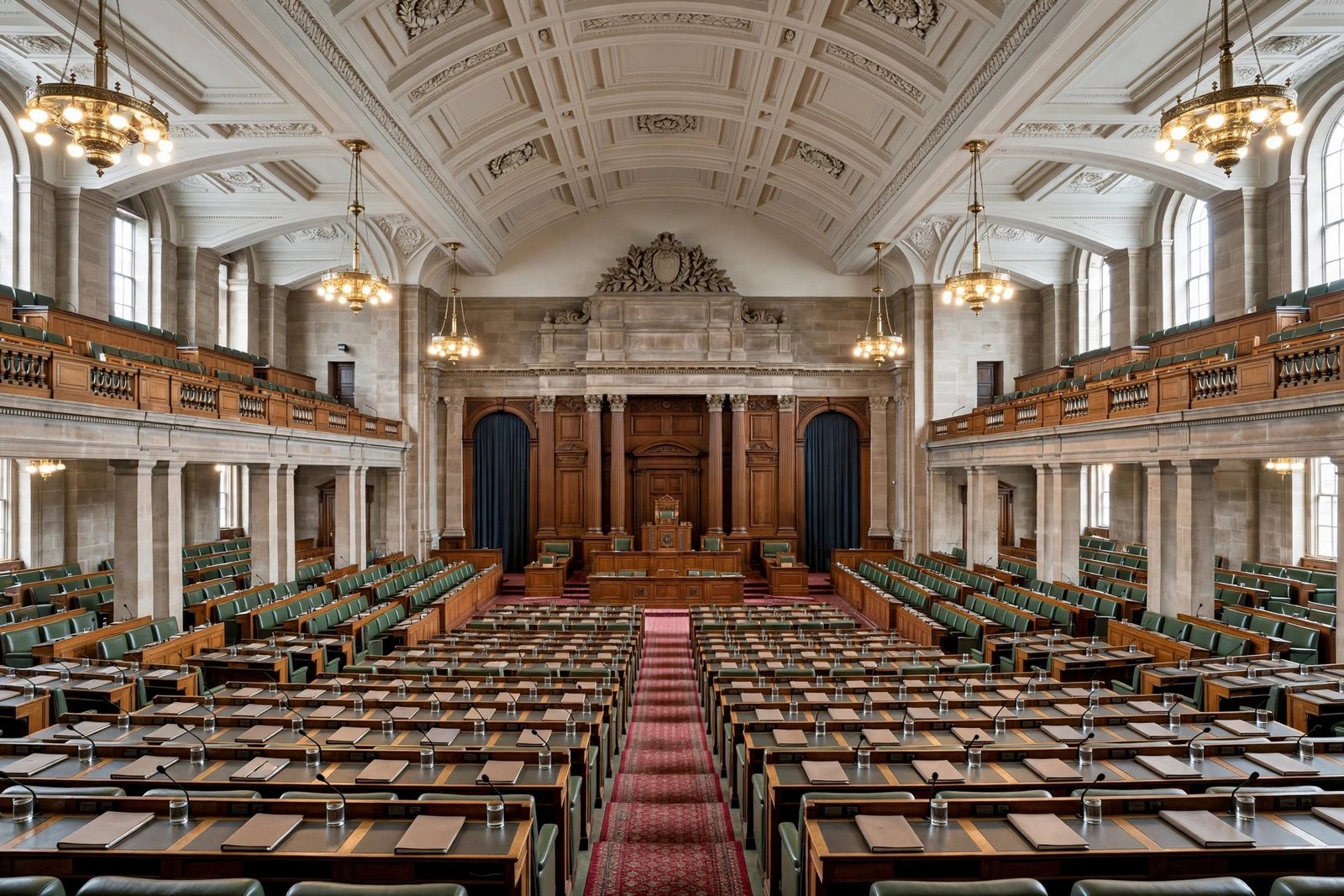
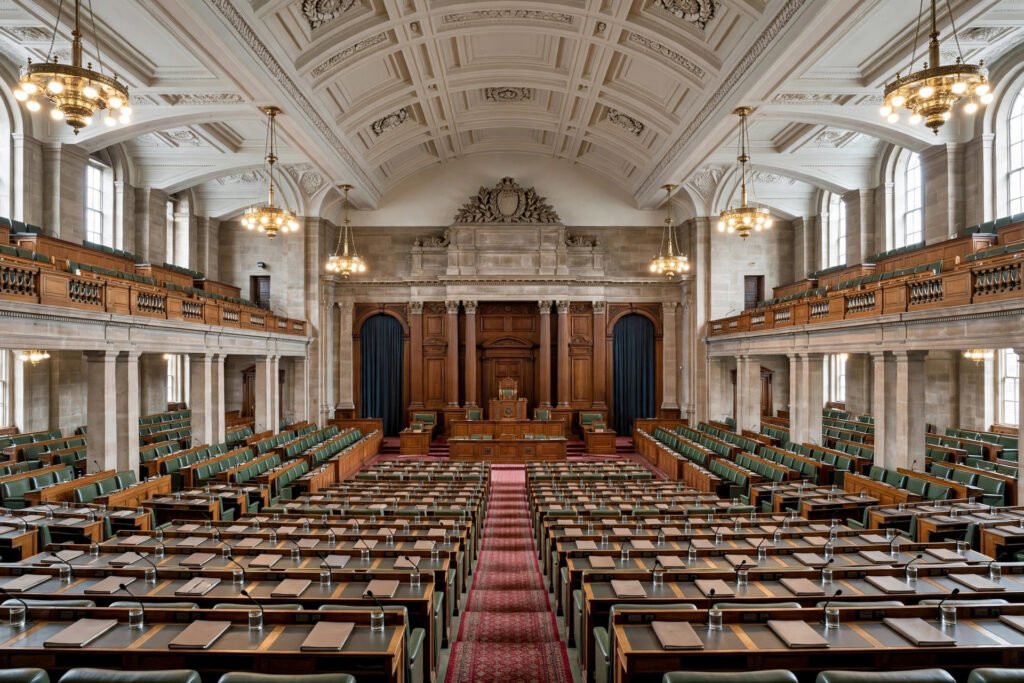
The national assembly has had one of its most consequential weeks of 2026, approving the emergency proclamation for Khyber Pakhtunkhwa after a heated debate on 14 October. This neutral guide tracks what the lower house of Parliament has done this year — sessions summoned, resolutions adopted and the key bills passed into law — with every fact dated and sourced.
National Assembly: Approval of the KP Emergency
On 14 October 2026, the national assembly approved a resolution ratifying the proclamation of emergency issued by President Asif Ali Zardari in Khyber Pakhtunkhwa on 11 October 2026. The resolution, moved by Federal Minister for Parliamentary Affairs Tariq Fazal Chaudhry, was passed by a majority vote. Opposition members opposed the move, raising concerns about its political and constitutional consequences.
The session was chaired by Speaker Sardar Ayaz Sadiq, while Attorney General Mansoor Usman Awan was also present during the proceedings. Speaking during the debate, Federal Law Minister Azam Nazeer Tarar said the emergency had been imposed after careful consideration of the deteriorating security situation in the province. He cited internal unrest, cross-border infiltration and actions by the provincial government as factors that, according to him, had increasingly threatened national security.
Tarar told the House that the Constitution required the presidential emergency proclamation to be presented before Parliament for approval within the stipulated period, and maintained that the federal government had made efforts to resolve the situation through negotiations before proceeding with the measure. He claimed that 3,787 terrorism-related incidents had occurred in 2026 and argued that the worsening security situation required a strong response. He also said negotiations between the government and opposition had continued for two days but failed to produce a lasting agreement on counterterrorism and other political issues.
The resolution’s text, as posted by the National Assembly’s official account, approved “the Proclamation of Emergency issued by the President on the 11th October, 2026 in the Province of Khyber Pakhtunkhwa under second proviso of clause (1) of Article 232 of the Constitution of the Islamic Republic of Pakistan.” After the lower house passed the resolution, the Senate also gave its approval the same day.
Sessions Summoned on 13 October
President Zardari had summoned separate sessions of the lower house and the Senate for Tuesday 13 October at Parliament House, with both meetings scheduled for 6:15pm under Article 54(1) of the Constitution. The sessions were expected to provide a platform for debate over the federal government’s intervention in KP. Reports indicated that formal ratification might take place on a subsequent day, as the matter was not included in the initial agenda for Tuesday’s proceedings — which is what happened when the vote came on 14 October.
Six Key Bills Passed Earlier in 2026
Legislative business in the lower house earlier this year included the passage of six government bills clause by clause through a majority vote, among them the Special Economic Zones (Amendment) Bill, 2026. The approved legislation also included the Pakistan Nursing and Midwifery Council Bill, 2026, the Netting of Financial Arrangements Bill, 2026, the Export-Import Bank of Pakistan (Amendment) Bill, 2026, the Fiscal Responsibility and Debt Limitation (Amendment) Bill, 2026, and the Islamabad Capital Territory Condominium (Ownership and Management) Bill, 2026.
Speaking during that session, Federal Minister for the Board of Investment Qaiser Ahmed Sheikh said Pakistan needed foreign investment instead of additional loans to overcome economic challenges and reduce dependence on the International Monetary Fund. He said foreign investors often raised concerns about excessive regulations, delays and bureaucratic hurdles, and thanked lawmakers for passing the legislation.
Defence Bills: Defence Forces Act and NCA Amendment
In August 2026, the lower house and the Senate approved two key defence-related bills with a majority vote. The first was passed to enact the Defence Forces Act, 2026, which provides for the establishment of the Defence Forces Headquarters under the Chief of Defence Forces, who would be the principal military adviser to the prime minister on national security, defence and all matters relating to the armed forces.
The second bill amended the National Command Authority Act, 2010. The legislation was aimed at giving effect to changes introduced through the 27th Constitutional Amendment, passed by Parliament in November 2025, which abolished the office of the Chairman Joint Chiefs of Staff Committee and created the new position of Chief of Defence Forces. Chief of Army Staff Field Marshal Asim Munir subsequently became the country’s first Chief of Defence Forces, and the changes also provided for the creation of the National Strategic Command, headed by a four-star officer.
The bills had first been approved by the lower house and later by the Senate, after the federal cabinet endorsed the drafts in a meeting chaired by Prime Minister Shehbaz Sharif. Opposition members protested that the bills were not on the order of the day and walked out after not being allowed to speak on a point of order.
President Approves Seven Parliamentary Bills
Completing the legislative process, President Asif Ali Zardari approved seven bills passed by Parliament, covering trade, taxation, social protection, education, railways and human rights. The approved legislation included the National Tariff Commission (Amendment) Bill, 2026, the Export Development Fund (Amendment) Bill, 2026, the Transfer of Railways (Amendment) Bill, 2026, the Domestic Violence (Prevention and Protection) Bill, 2026, the Daanish Schools Authority Bill, 2026, the Income Tax (Amendment) Bill, 2026, and the National Commission for Human Rights (Amendment) Bill, 2026.
An earlier session of the House also saw the passage of the Pakistan Citizenship (Amendment) Bill 2025, the Cannabis Control and Regulatory Authority (Amendment) Bill 2026, the Prevention of Misuse of Pakistan’s Name and Emblems (Amendment) Bill 2026, and the National Archives (Amendment) Bill 2026 — the last of these continuing even after the Speaker overlooked opposition quorum calls.
How the Lower House Works in 2026
For readers tracking the lower house as an institution, 2026 has shown a chamber dealing with security legislation, economic reform and constitutional emergency provisions in rapid succession. The official National Assembly account and Radio Pakistan remain the authoritative sources for what was actually moved and passed. Our daily Pakistan news roundup and our Shehbaz Sharif news updates track how the government’s parliamentary business develops day by day.
Read the Pakhtun Digital report on the emergency approval and the The News report on the defence bills for additional sourcing.
Frequently Asked Questions
When did the lower house approve the KP emergency?
On 14 October 2026, by a majority vote, on a resolution moved by Minister for Parliamentary Affairs Tariq Fazal Chaudhry under Article 232 of the Constitution.
Who chaired the emergency debate session?
Speaker Sardar Ayaz Sadiq chaired the session, with Attorney General Mansoor Usman Awan present during the proceedings.
What is the Defence Forces Act, 2026?
It establishes the Defence Forces Headquarters under the Chief of Defence Forces, giving effect to the 27th Constitutional Amendment of November 2025. Field Marshal Asim Munir became the first Chief of Defence Forces.
Which economic bills did the National Assembly pass in 2026?
Among others: the Special Economic Zones (Amendment) Bill, the Netting of Financial Arrangements Bill, the Export-Import Bank of Pakistan (Amendment) Bill and the Fiscal Responsibility and Debt Limitation (Amendment) Bill, all in 2026.
Where can I read official National Assembly proceedings?
The National Assembly’s official social media account posts resolution texts, and Radio Pakistan carries authoritative summaries of each session’s legislative business.
Related Posts
 Pakistan NewsAmna Baloch Becomes Pakistan’s First Woman Ambassador to Türkiye — A Historic First for Ankara
 Pakistan NewsPakistan Test-Fires Fa’az: First Indigenously Developed Air-to-Air Missile
 Pakistan NewsTwo Policemen Martyred Guarding Polio Team in Mohmand; Four Polio Workers Abducted in Tank
 Pakistan NewsMaryam Nawaz in Attock: CM Inaugurates 127 Development Projects Worth Rs23 Billion
 Pakistan NewsHyderabad’s Viral Qasimabad Road: Authorities Start Removing Electric Poles From the Middle
 Pakistan NewsPakistan Launches Week-Long Polio Drive: 24 Million Children to Be Vaccinated Across 97 Districts
Most Popular
 How-ToPTA Tax Calculator 2026: Check Mobile Tax on Any Phone401 views
 Pakistan NewsPIA Boeing 787 Lease Deal: What It Means for the Airline381 views
 SportsUEFA Champions League 2026-27: Format, Teams and Schedule375 views
 Canada JobsTech Jobs in Canada: Roles, Salaries, and Skills Needed356 views
 SportsBallon d’Or 2026: London Ceremony, Nominees and All-Time Records Ahead of 70th Anniversary337 views
 ShowbizWomen’s Fashion in Pakistan 2026: Trends, Brands and Style Guide333 views

3 comments