Prime Minister of Pakistan 2026: Office, Powers and Duties
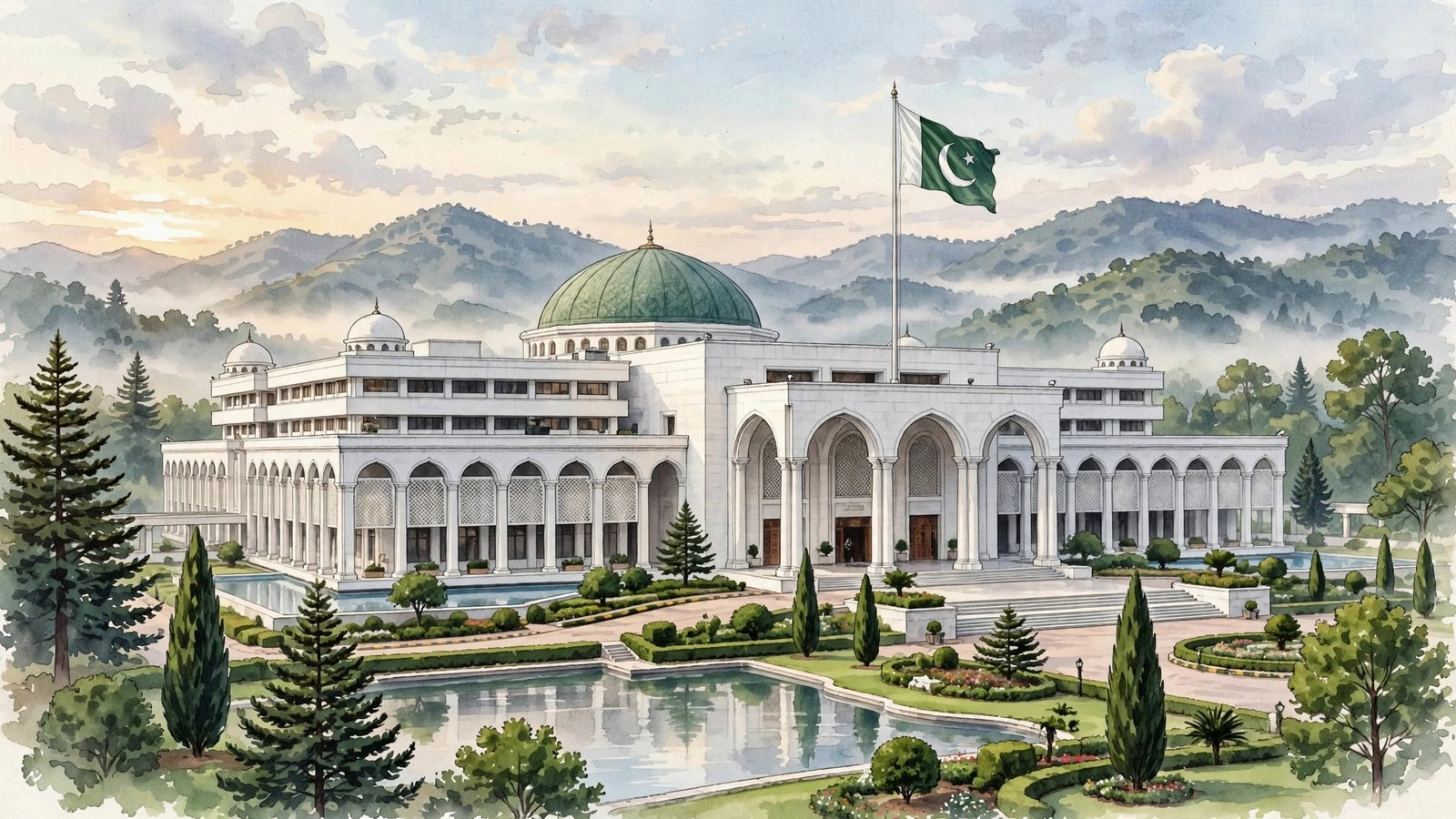
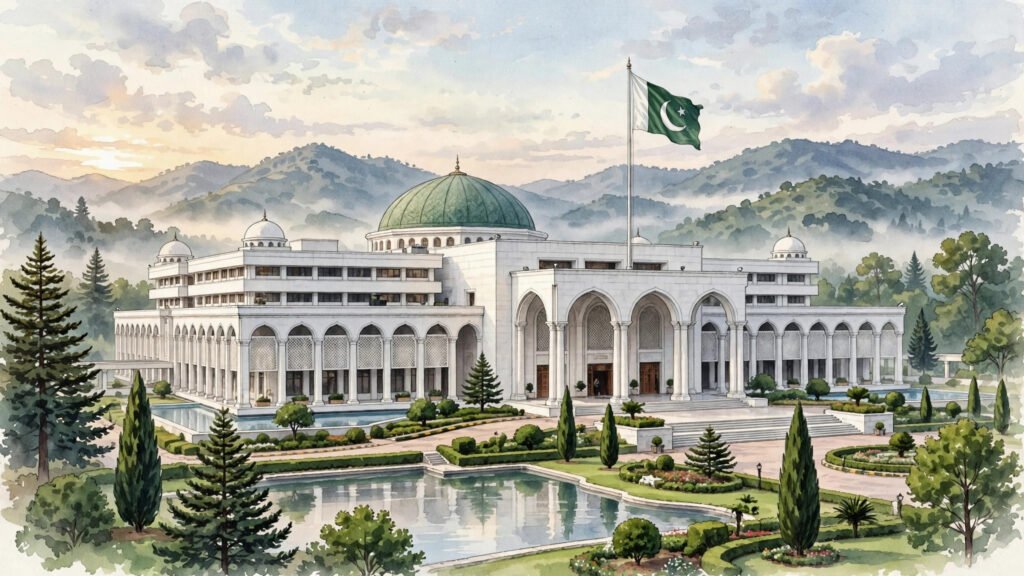
The Prime Minister Pakistan is the chief executive of the country and the head of the federal government. As of 15 October 2026, the office is held by Shehbaz Sharif, who was elected by the National Assembly on 3 March 2024. This guide explains how the Prime Minister Pakistan is chosen, the powers vested in the office, and how the current incumbent is exercising them.
How the Prime Minister Pakistan Is Elected
The Prime Minister Pakistan is elected by the National Assembly from among its members. The candidate who secures the votes of a majority of the total membership of the 336-member house — at least 169 votes — becomes the Leader of the House. On 3 March 2024, Shehbaz Sharif secured 201 votes, defeating Omar Ayub of the Sunni Ittehad Council, who received 92. Speaker Ayaz Sadiq presided over the election.
Shehbaz Sharif, president of the Pakistan Muslim League (Nawaz), is serving his second stint as Prime Minister Pakistan. He previously held the office from April 2022 to August 2023 after the no-confidence removal of Imran Khan. Born in September 1951, he is the younger brother of former prime minister Nawaz Sharif and served three terms as chief minister of Punjab, where he built a reputation for fast-paced infrastructure development.
Executive Powers of the Office
Under Article 90 of the Constitution, the executive authority of the federation vests in the Prime Minister Pakistan. He advises the president on appointments — including governors, services chiefs, the chief justice and ambassadors — forms and reshuffles the federal cabinet, allocates portfolios among ministers, and decides the overall direction of government policy. Cabinet decisions, once approved, bind the whole government.
The prime minister also controls the legislative agenda: government bills, the annual budget and money bills are introduced on his government’s initiative. He can advise the president to dissolve the National Assembly, triggering fresh general elections within 90 days. The Prime Minister Pakistan represents the country abroad, chairs the National Security Committee, and leads Pakistan’s response to economic and security challenges.
The Cabinet and Government Machinery
The Prime Minister Pakistan governs through the federal cabinet, whose ministers must be members of Parliament. The cabinet is collectively responsible to the National Assembly, meaning the government must retain the house’s confidence at all times. A vote of no-confidence, if carried by a majority of the total membership, brings down the prime minister and the cabinet together.
Key advisers and special assistants assist the prime minister on subjects such as finance, foreign affairs, energy and information. In the current government, the finance team has steered Pakistan through an IMF programme and a stabilisation of the rupee, while the foreign ministry has pursued outreach to the Gulf states, China and Central Asia. The prime minister’s office in Islamabad — the PM House and the PM Secretariat — anchors the federal executive.
Accountability and Limits
The powers of the Prime Minister of Pakistan are balanced by parliamentary and judicial oversight. The prime minister answers questions in the National Assembly, faces scrutiny from standing committees, and must secure parliamentary approval for legislation and budgets. Courts can review executive actions for legality, and the Election Commission and Auditor General provide additional checks.
No person can hold the office for life: the Constitution sets no term limit, but each term depends on commanding the assembly’s confidence, and general elections every five years give voters the final verdict. As of October 2026, Shehbaz Sharif’s coalition government continues to hold its parliamentary majority, with the prime minister chairing cabinet meetings and representing Pakistan in international forums.
Related Guides
Read our related explainers: President of Pakistan 2026: Role, Powers and Election and National Assembly of Pakistan 2026: Sessions and Key Bills.
External References
See the AP report on Shehbaz Sharif’s election as prime minister in March 2024, and a parallel version of the same election report for additional detail.
Frequently Asked Questions
Who is the Prime Minister of Pakistan in 2026?
Shehbaz Sharif of the PML-N is the Prime Minister of Pakistan, elected by the National Assembly on 3 March 2024 with 201 votes.
How is the prime minister elected?
The National Assembly elects the prime minister from among its members; the candidate who secures a majority of the total membership (at least 169 of 336) wins.
What are the prime minister’s main powers?
The prime minister holds the federation’s executive authority: forming the cabinet, advising the president on key appointments, setting policy, and controlling the legislative agenda.
Can the National Assembly remove the prime minister?
Yes, through a vote of no-confidence carried by a majority of the total membership of the National Assembly.
How many times has Shehbaz Sharif been prime minister?
Shehbaz Sharif is serving his second stint as Prime Minister of Pakistan, having previously held the office from April 2022 to August 2023.
In-Depth Guide: The Prime Minister of Pakistan
The Prime Minister Pakistan office is the head of government under the parliamentary system. This guide explains the Prime Minister of Pakistan 2026 office, Pakistan PM office powers, how to follow Shehbaz Sharif latest news, and the Pakistan cabinet 2026 structure.
Prime Minister of Pakistan 2026: The Office
The Prime Minister of Pakistan 2026 leads the federal government, chairs the cabinet, and drives legislation through the National Assembly. The PM is elected by the National Assembly — not directly by voters — and must maintain majority support. Understanding this parliamentary logic explains why coalition management dominates every Prime Minister Pakistan tenure.
Pakistan PM Office Powers
Pakistan PM office powers include appointing ministers, directing federal ministries, representing Pakistan internationally, and advising the President on key appointments. Constitutional limits matter: the 18th Amendment devolved significant authority to provinces, so the PM’s domestic power is shared with chief ministers. Reading Prime Minister Pakistan news with this federal-provincial split in mind prevents confusion about who decides what.
Pakistan Cabinet 2026: How It Works
The Pakistan cabinet 2026 comprises federal ministers, ministers of state and advisers running ministries from finance to energy. Cabinet reshuffles signal policy pivots — a new finance minister, for instance, telegraphs economic direction. For citizens tracking Shehbaz Sharif latest news, the practical filter is policy output: energy prices, tax decisions and development spending affect daily life more than political theatre.
Related Posts
 Pakistan NewsAmna Baloch Becomes Pakistan’s First Woman Ambassador to Türkiye — A Historic First for Ankara
 Pakistan NewsPakistan Test-Fires Fa’az: First Indigenously Developed Air-to-Air Missile
 Pakistan NewsTwo Policemen Martyred Guarding Polio Team in Mohmand; Four Polio Workers Abducted in Tank
 Pakistan NewsMaryam Nawaz in Attock: CM Inaugurates 127 Development Projects Worth Rs23 Billion
 Pakistan NewsHyderabad’s Viral Qasimabad Road: Authorities Start Removing Electric Poles From the Middle
 Pakistan NewsPakistan Launches Week-Long Polio Drive: 24 Million Children to Be Vaccinated Across 97 Districts
Most Popular
 How-ToPTA Tax Calculator 2026: Check Mobile Tax on Any Phone401 views
 Pakistan NewsPIA Boeing 787 Lease Deal: What It Means for the Airline381 views
 SportsUEFA Champions League 2026-27: Format, Teams and Schedule375 views
 Canada JobsTech Jobs in Canada: Roles, Salaries, and Skills Needed356 views
 SportsBallon d’Or 2026: London Ceremony, Nominees and All-Time Records Ahead of 70th Anniversary337 views
 ShowbizWomen’s Fashion in Pakistan 2026: Trends, Brands and Style Guide333 views