President of Pakistan 2026: Role, Powers and Election
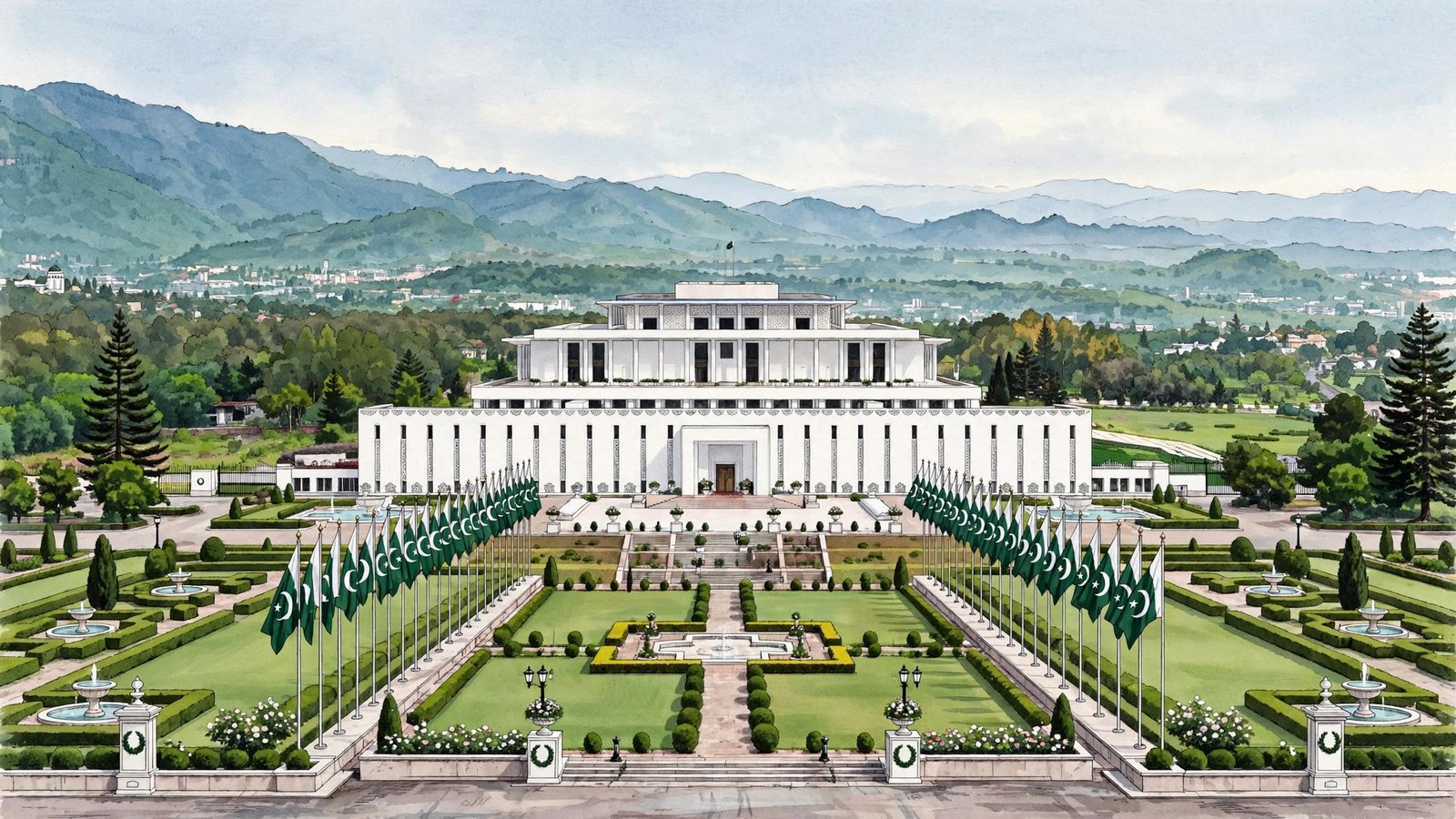
The President Pakistan is the head of state and the symbol of the federation’s unity. As of 15 October 2026, the office is held by Asif Ali Zardari, the 14th President Pakistan, who took the oath on 10 March 2024. This guide explains how the president is elected, the length of the term, the constitutional powers of the office, and how the role has evolved since the 18th Amendment.
How the President Pakistan Is Elected
The President Pakistan is elected indirectly by an electoral college comprising the members of the Senate, the National Assembly and the four provincial assemblies. A candidate needs a majority of the weighted votes to win. In the presidential election held on 9 March 2024, Asif Ali Zardari — the joint candidate of the PML-N-led ruling coalition — secured 411 electoral votes against 181 for his rival, Mahmood Khan Achakzai, who was backed by the opposition.
To qualify, a candidate must be a Muslim citizen of Pakistan, at least 45 years old, and qualified to be elected as a member of the National Assembly. The President Pakistan holds office for five years under Article 44 of the Constitution and may be re-elected. Zardari’s current term is his second: he previously served as the 11th president from 2008 to 2013, making him the first civilian in the country’s history to hold the office twice.
Constitutional Powers of the President
The President Pakistan exercises most powers on the advice of the prime minister and the cabinet, a framework established by the 18th Amendment in 2010, which made the presidency largely ceremonial. The president appoints the prime minister, governors, the chief justice of Pakistan, services chiefs and ambassadors — all on the prime minister’s advice. He summons, prorogues and addresses Parliament, and gives assent to bills passed by both houses.
Certain discretionary powers remain. The President Pakistan can grant pardons, reprieves and respites under Article 45. On the prime minister’s advice he can dissolve the National Assembly, and he is the supreme commander of the armed forces. Presidential ordinances, issued when Parliament is not in session under Article 89, carry the force of law but must be laid before Parliament and lapse if not approved.
Asif Ali Zardari’s Second Term
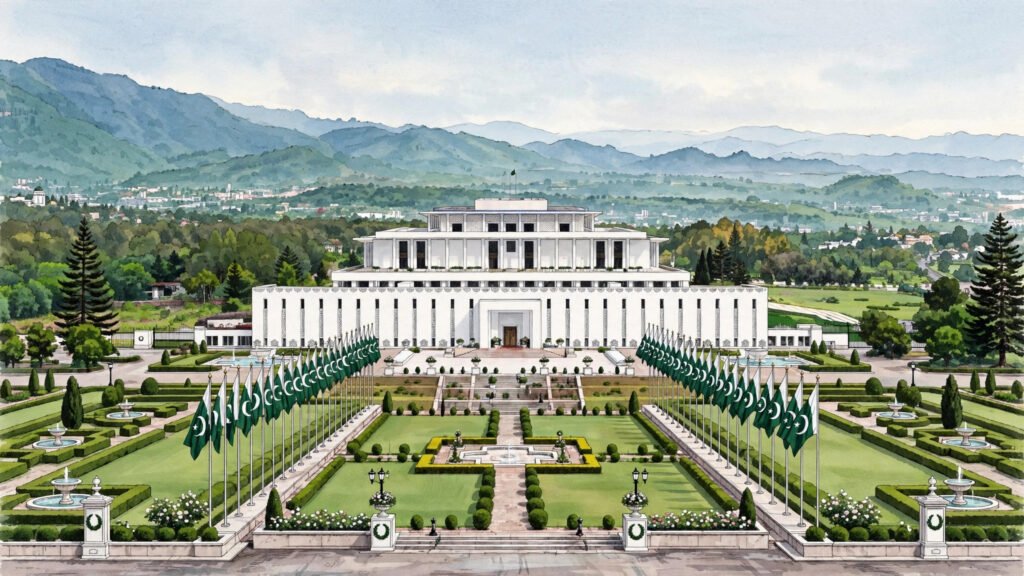
As the 14th President of Pakistan, Asif Ali Zardari, co-chairperson of the Pakistan Peoples Party, presides over the country’s ceremonial functions from Aiwan-e-Sadr in Islamabad. Born on 26 July 1955 into a Baloch family from Sindh, he is married to the late former prime minister Benazir Bhutto and is the father of Bilawal, Bakhtawar and Aseefa. His political career spans more than three decades, including terms in the National Assembly and the Senate.
During his first presidency (2008–2013), Zardari voluntarily transferred key presidential powers to Parliament, a process that produced the 18th Constitutional Amendment — the most significant devolution of authority in the country’s history, granting the provinces greater autonomy. In his second term, the President of Pakistan continues to perform his constitutional role as head of state, receiving credentials from ambassadors, conferring civil awards, and representing Pakistan at ceremonial occasions.
The Presidency and the Federation
The office symbolises the unity of the federation because the president is chosen by an electoral college that includes all four provincial assemblies, giving the provinces a direct say in the head of state. When the office falls vacant or the president is unable to perform his functions, the Chairman of the Senate acts as president under Article 49; if the Chairman is unavailable, the Speaker of the National Assembly steps in.
Presidential elections, oaths and addresses are occasions of high constitutional formality. The oath of the President Pakistan is administered by the Chief Justice of Pakistan — in March 2024, then-CJP Qazi Faez Isa administered the oath to Zardari at Aiwan-e-Sadr in the presence of the outgoing president, the prime minister, service chiefs and foreign dignitaries.
Related Guides
Read our related explainers: Prime Minister of Pakistan 2026: Office, Powers and Duties and National Assembly of Pakistan 2026: Sessions and Key Bills.
External References
See the official profile of Asif Ali Zardari, President of the Islamic Republic of Pakistan, and a report on Zardari’s oath as the 14th president in March 2024.
Frequently Asked Questions
Who is the President of Pakistan in 2026?
Asif Ali Zardari of the PPP is the 14th President of Pakistan, serving since 10 March 2024 — his second term in the office.
How is the President of Pakistan elected?
The president is elected indirectly by an electoral college of the Senate, the National Assembly and the four provincial assemblies, requiring a majority of weighted votes.
How long is the president’s term?
The president holds office for five years under Article 44 of the Constitution and is eligible for re-election.
Is the presidency ceremonial in Pakistan?
Largely yes. Since the 18th Amendment (2010), the president acts on the advice of the prime minister and cabinet, retaining limited discretionary powers such as pardons.
Who acts as president if the office falls vacant?
The Chairman of the Senate acts as president under Article 49; if unavailable, the Speaker of the National Assembly steps in.
President of Pakistan 2026: FAQs
The president pakistan is the head of state and symbol of federation unity. Questions about the president of pakistan 2026 and president pakistan powers are answered here.
Who is the President in 2026?
The president of pakistan 2026 performs constitutional duties from Aiwan-e-Sadr, including assenting to legislation and receiving foreign dignitaries.
What powers does the President hold?
President pakistan powers include appointing the Prime Minister, provincial governors, services chiefs, and judges — mostly on binding advice. The role is largely ceremonial but constitutionally vital.
How is the President elected?
How president elected pakistan works: an electoral college of parliament and provincial assemblies votes by secret ballot for a five-year term.
What is Aiwan-e-Sadr?
Aiwan-e-sadr pakistan — the Presidency in Islamabad — hosts state ceremonies, oath-takings, and official banquets as the nation’s ceremonial heart.
Related Posts
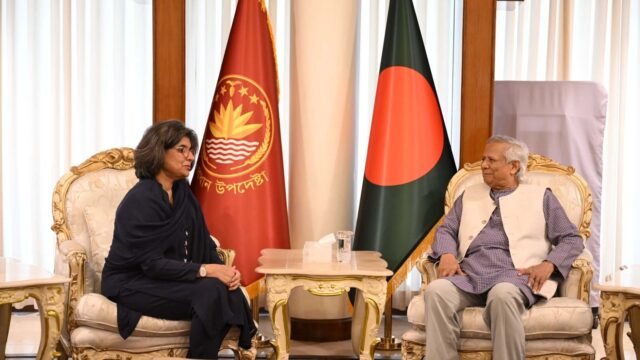
 Pakistan NewsAmna Baloch Becomes Pakistan’s First Woman Ambassador to Türkiye — A Historic First for Ankara
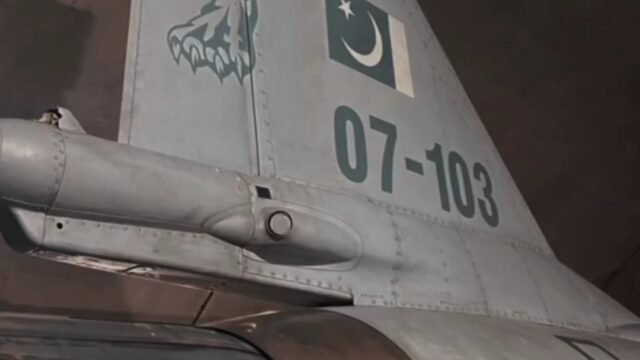
 Pakistan NewsPakistan Test-Fires Fa’az: First Indigenously Developed Air-to-Air Missile
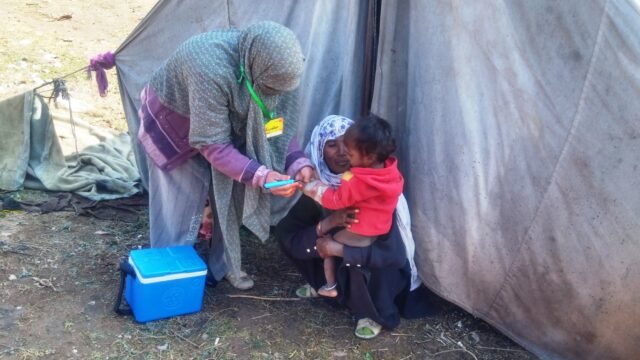
 Pakistan NewsTwo Policemen Martyred Guarding Polio Team in Mohmand; Four Polio Workers Abducted in Tank
 Pakistan NewsMaryam Nawaz in Attock: CM Inaugurates 127 Development Projects Worth Rs23 Billion
 Pakistan NewsHyderabad’s Viral Qasimabad Road: Authorities Start Removing Electric Poles From the Middle
 Pakistan NewsPakistan Launches Week-Long Polio Drive: 24 Million Children to Be Vaccinated Across 97 Districts
Most Popular
 How-ToPTA Tax Calculator 2026: Check Mobile Tax on Any Phone401 views
 Pakistan NewsPIA Boeing 787 Lease Deal: What It Means for the Airline381 views
 SportsUEFA Champions League 2026-27: Format, Teams and Schedule375 views
 Canada JobsTech Jobs in Canada: Roles, Salaries, and Skills Needed356 views
 SportsBallon d’Or 2026: London Ceremony, Nominees and All-Time Records Ahead of 70th Anniversary337 views
 ShowbizWomen’s Fashion in Pakistan 2026: Trends, Brands and Style Guide333 views