China’s first fully AI-generated feature film opened in cinemas on Friday, in what is shaping up as a brutal box-office reality check for the country’s booming artificial intelligence industry. The China AI film, a science-fiction thriller titled “Sanxingdui: Future Past”, had more than 10,000 screenings scheduled for its opening day, according to ticketing platform Maoyan — but presale revenue stood at just 65,000 yuan (about $9,700) on Thursday evening, with total takings forecast to stay below 100,000 yuan.
That is a tiny fraction of the film’s reported production cost of more than 10 million yuan (around $1.5 million). Nearly 100 people worked for over two years to make the movie, according to its producer, Bona Film Group — a reminder that even an “AI-generated” film still needs an army of humans behind it.
A Sci-Fi Thriller Two Years in the Making

“Sanxingdui: Future Past” is the first feature film generated entirely with artificial intelligence to receive a theatrical release permit in China — a milestone its makers are proud of even as ticket sales disappoint. The film’s title nods to Sanxingdui, the ancient archaeological site in Sichuan province famous for its mysterious 3,000-year-old bronze masks and sculptures. Jiang Defu, chief executive of Bona Film Group, acknowledged the lukewarm reception in an interview with Chinese film industry outlet Yuli, but insisted the production was pushing boundaries. “We are the first to try it, the first to get a theatrical release permit, and the first to be tested by the audience,” he said. “I think that is not easy at all.”
10,000 Screenings, $9,700 in Presales
The numbers behind the China AI film tell a stark story. Maoyan, one of China’s biggest ticketing platforms, listed more than 10,000 screenings of “Sanxingdui: Future Past” for Friday — yet by Thursday evening, advance sales had reached only 65,000 yuan, enough for just a few thousand tickets at typical Chinese cinema prices. Maoyan’s forecast for the film’s total box-office run sits below 100,000 yuan: barely one percent of what it cost to make. For an industry used to talking about AI in trillions, the AI film box office debut is a humbling data point.
‘The Audience Won’t Pay Just Because It’s AI’
Early viewers have been blunt. Iris Yang, who attended a free preview screening on Thursday, said she would not have paid for a ticket given the movie’s quality. “If AI generation can match the theatrical experience of ‘Avatar’, I think I would be willing to pay for it,” she said, referring to the Hollywood franchise famous for its animation. Online, Chinese social media users seemed equally unconvinced by the arrival of AI movies in cinemas. Independent AI director Zhang Jun told AFP the lesson was simple: “The audience won’t automatically pay for the tickets just because it’s an AI-generated film.” The China AI film, he suggested, has to compete on quality — not novelty.
Why AI Rules Phones but Not Cinemas — Yet
The cold reception is striking because AI-generated video is hugely popular in China everywhere except the cinema. On Douyin, the Chinese version of TikTok, AI-generated short dramas racked up more than 200 billion views in September alone. But a free 60-second vertical drama watched on a phone is a very different product from a feature film people must leave home — and pay — to see. Traditional filmmaking, with its cameras, crews and craft honed over a century, still sets the standard. Pakistan is watching this space closely too: the government has just announced Buraq, its own Urdu AI model, as the country pushes into sovereign AI. The lesson from the China AI film is that audiences remain the toughest critics.
What This Means for AI and Entertainment
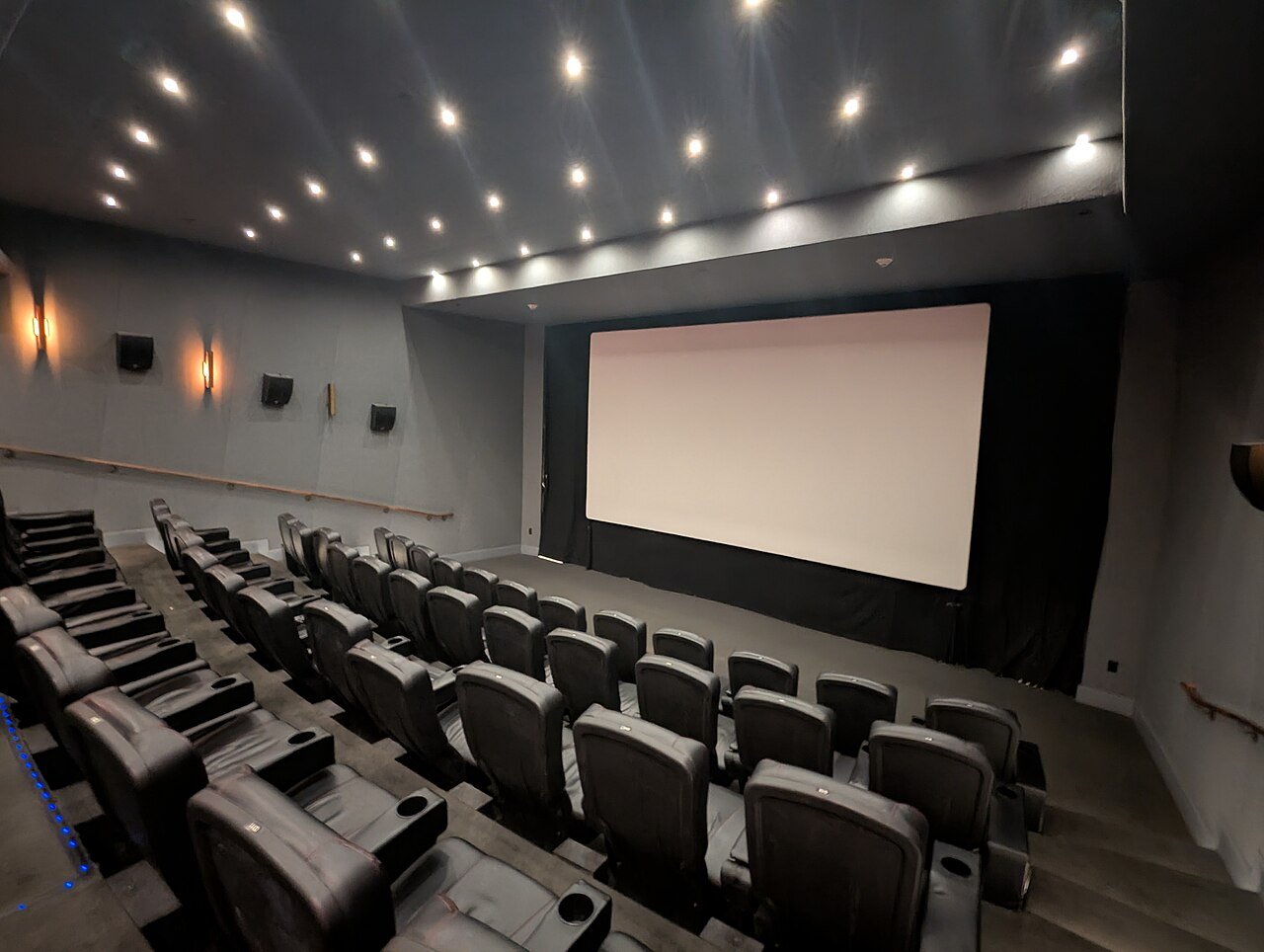
The China AI film’s opening weekend will be watched far beyond China. If “Sanxingdui: Future Past” cannot convert curiosity into ticket sales in the world’s second-largest film market, studios everywhere may think twice before betting big budgets on fully AI-generated features. For now, AI looks more at home in short-form video, advertising and pre-visualisation than on the big screen — a space where human craft still commands the ticket price. As OpenAI’s advertising expansion into Pakistan shows, AI companies are racing to monetise attention; cinemas, it turns out, are the hardest audience to win. The fullest accounts of the opening are the AFP report on China’s first AI film and the Dubai Telegraph’s coverage of the Sanxingdui premiere.
Whether “Sanxingdui: Future Past” finds its audience in the weeks ahead or fades quietly, it has already made history as the first AI-generated film to face the verdict of paying cinemagoers. The China AI film may not have filled seats — but it has started a conversation the whole industry will be having for years.
Related Posts
 TechnologyPakistan Super App: Shaza Fatima Announces One App for All Government Services and Digital IDs
 TechnologyiOS 27.3 Beta Released: New Health App, Siri AI Upgrades and Release Date
 TechnologyKPITB AI Innovation Challenge 2026: Rs1 Million Prizes — Apply by 10 November
 TechnologySenate Panel Orders One Integrated E-Attestation System for PakistanTechnologyDigital Bill Deferred Again: NA Committee Sends E-Transactions Amendment Back Over PPP Objections
 TechnologySpotify Launches Audiobooks in Pakistan: Audiobooks+ Add-On Arrives
Most Popular
 How-ToPTA Tax Calculator 2026: Check Mobile Tax on Any Phone409 views
 Pakistan NewsPIA Boeing 787 Lease Deal: What It Means for the Airline385 views
 SportsUEFA Champions League 2026-27: Format, Teams and Schedule378 views
 Canada JobsTech Jobs in Canada: Roles, Salaries, and Skills Needed368 views
 TechnologyPM Shehbaz Sets November Deadline for Alibaba AI and Digitalisation Projects in Pakistan348 views
 ShowbizWomen’s Fashion in Pakistan 2026: Trends, Brands and Style Guide340 views