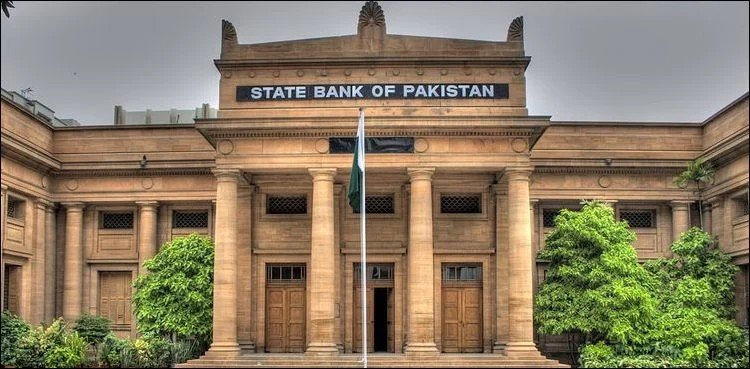
SBP Doubles Minimum Bank Capital to Rs20 Billion, Banks Get Four Years to Comply
Pakistan’s banking sector is set for its biggest capital overhaul in over a decade, as the State Bank of Pakistan (SBP) has doubled the minimum capital requirement (MCR) for locally incorporated banks from Rs10 billion to Rs20 billion. The new SBP minimum bank capital framework was announced through BPRD Circular No. 02 of 2026, issued on 27 October 2026, and applies to new and existing banks, foreign bank branches operating in Pakistan, and development finance institutions (DFIs).
Existing banks and DFIs have been given until 31 December 2030 to meet the revised requirements — a compliance window of a little over four years. According to the central bank, the increase reflects the higher costs of establishing and managing financial institutions on a sustainable basis in the current economic environment.
What the New SBP Minimum Bank Capital Rules Say
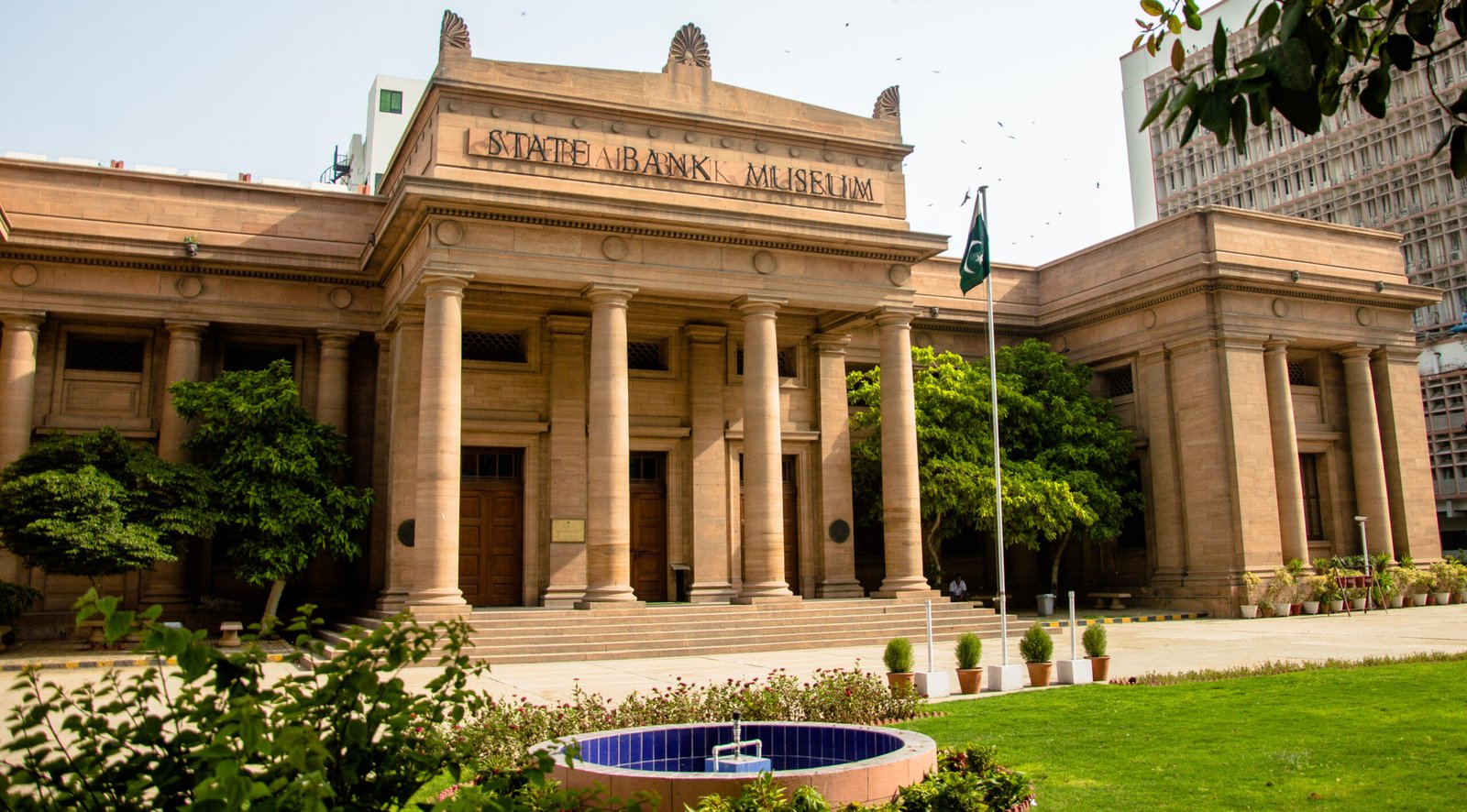
Under the revised framework, every locally incorporated bank — including the Islamic banking subsidiaries of conventional banks — must maintain minimum capital of Rs20 billion. That is exactly double the previous Rs10 billion floor that had governed the industry for years.
Foreign banks operating in Pakistan through branches face tiered requirements based on the size of their local network. Foreign banks with up to five branches must maintain assigned capital, net of losses, of at least Rs5 billion, while those operating between six and 50 branches must maintain at least Rs10 billion. Development finance institutions, meanwhile, must meet a minimum capital requirement of Rs10 billion.
A significant relief in the circular is the treatment of reserves. Statutory reserves maintained under Section 21 of the Banking Companies Ordinance, 1962, will now count towards the minimum capital requirement, alongside the items already permitted under BPRD Circular No. 06 of 2013. However, the SBP has made it clear that reserves counted towards the MCR cannot be withdrawn without the regulator’s prior approval.
Replacing the 2008–2014 Framework
The new SBP minimum bank capital rules revise a framework that had been in place through BSD Circular No. 19 of September 2008, BSD Circular No. 7 of April 2009, and BPRD Circular No. 10 of October 2014. The central bank’s move comes at a time when Pakistan’s banking industry is expanding into digital services, Islamic banking and branchless channels, all of which demand stronger capital buffers.
The announcement was covered widely in the financial press, with an analysis by Arif Habib Limited (AHL) noting that the revision is unlikely to trigger material changes in dividend payouts by listed banks. The brokerage pointed to the estimated capital buffers already held by large banks and, crucially, to the inclusion of statutory reserves in eligible capital as the reason payouts should remain intact.
Licensing Handbook Keeps the Door Shut for Local-Only Groups
In a related move the same week, the SBP issued its consolidated licensing handbook through BPRD Circular No. 03 of 2026 on 28 October. The handbook gathers licensing rules for commercial and digital banks, microfinance banks, exchange companies, payment firms and even private credit bureaus in one place — and it confirms that a wholly locally sponsored business group still cannot establish a new commercial bank on its own, no matter how deep its pockets. Foreign investors, by contrast, can set up a bank alone or with Pakistani partners, subject to SBP approval.
The handbook also puts numbers on the process: a commercial or digital bank licence application costs a non-refundable Rs5 million, with decisions targeted within six to eight weeks of a complete filing. Commercial banks must list on the stock exchange within four years of starting business, while a digital full bank’s capital bill tops out at Rs10 billion.
What It Means for Depositors and Investors
For ordinary depositors, higher capital floors generally mean stronger banks that are better able to absorb shocks — a point the SBP has emphasised by linking the change to sustainable operations. For investors, the AHL analysis offers reassurance that dividend flows from listed banks should not be materially affected, though individual banks will need to review their capital planning as the 2030 deadline approaches.
With the compliance deadline set at the end of 2030, banks have a clear runway. The SBP’s twin announcements — the doubled minimum capital and the consolidated licensing handbook — together signal a central bank tightening the gates of the industry while giving incumbents time to adjust.
Sources: The News, Mettis Global News
Related Posts
 BusinessPetrol Price Up by Rs1.85 to Rs377.91, Diesel Rs399.82 from October 29
 BusinessFBR Extends Video Surveillance Deadline to 31 October Under STGO 27
 BusinessSECP AGM Deadline 2026
 BusinessSBP Raises Policy Rate to 12%: First Hike Since April as Inflation Stays Above Target
 BusinessGeely Pakistan Launch: Bestway Brings EX2, EX5 and Starray to Pakistan
 BusinessAskari Bank × Nium Brings Real-Time Cross-Border Payments for DHA Islamabad–Rawalpindi Customers
Most Popular
 How-ToPTA Tax Calculator 2026: Check Mobile Tax on Any Phone313 views
 SportsBallon d’Or 2026: London Ceremony, Nominees and All-Time Records Ahead of 70th Anniversary305 views
 SportsUEFA Champions League 2026-27: Format, Teams and Schedule303 views
 Canada JobsTech Jobs in Canada: Roles, Salaries, and Skills Needed288 views
 Pakistan NewsPIA Boeing 787 Lease Deal: What It Means for the Airline286 views
 TechnologyRedmi K100 Launching on 28 October: 10,000mAh Battery, 185Hz Display and Full Specs281 views