
A United Nations assessment published on Monday has warned that Punjab water demand already exceeds supply across every sector, with groundwater falling by about 5.5 billion cubic metres a year and the province needing an extra 10 billion cubic metres of usable water annually to close the gap and keep its aquifer alive. The warning comes in Water and Land Accounting in Punjab, a new study from the Food and Agriculture Organisation of the United Nations (FAO), which finds a province under strain from every direction — cities, farms and industry all drawing more than the system can replace.
Punjab water demand already exceeds supply
The FAO study is the first comprehensive water accounting of the province, built on annual water accounts for five water years, 2012 to 2017. The FAO took advice from water specialists including former WAPDA chairman Shamsul Mulk and former IRSA chairman Rao Irshad Ali Khan. Its conclusion is blunt: Punjab water demand already exceeds supply across all sectors — the shortfall is not a future risk but a present fact. The gap is worst in urban areas, where freshwater access is limited and groundwater reserves are falling fastest, while farm production, the backbone of the provincial economy, is increasingly at risk from water stress and groundwater depletion. Punjab is a major contributor to the national economy, and the report calls its water management critical.

Groundwater is falling fast as Punjab water demand grows
The headline number is groundwater loss. According to the coverage, groundwater is being depleted by about 5.5 billion cubic metres a year; the FAO’s own summary of the five-year balances puts average annual aquifer depletion at about six billion cubic metres. Either way, the water table is being drawn down year after year, and to meet Punjab water demand the province needs an additional 10 billion cubic metres of usable water every year to bridge the gap and sustain the aquifer. Freshwater shortages have pushed farmers and cities to recycle more low-quality water, while pollution from agro-chemicals and urban wastewater has intensified. The pressure is visible on the ground too: 898 farm fires were recorded in the province in a single day this month, with Hafizabad worst hit, as dry conditions and stubble burning collide.
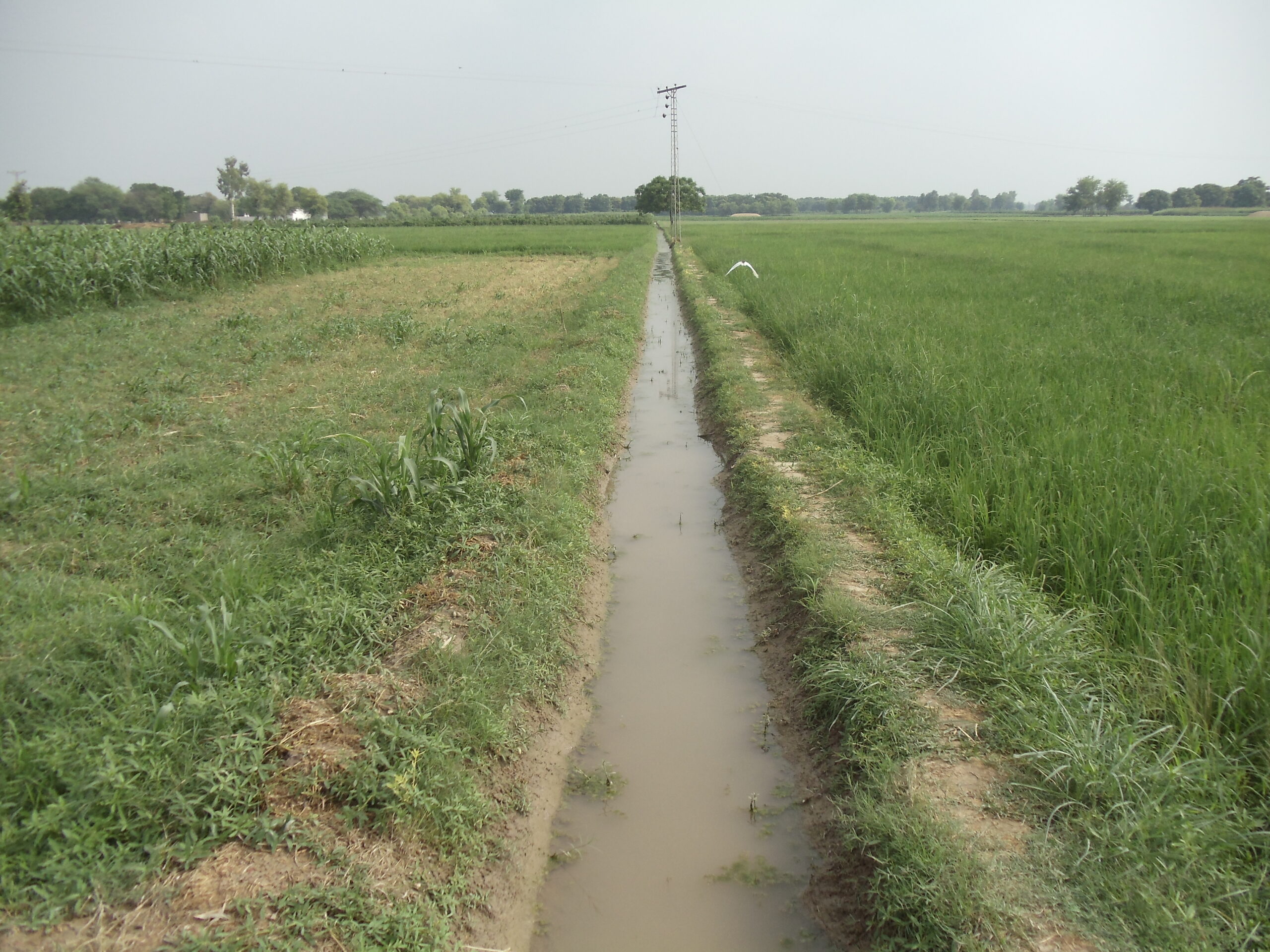
Rivers, canals and wetlands under strain
River flows through Punjab have fallen by about 30 billion cubic metres since the 1960 Indus Waters Treaty with India, and the province holds only 1.7 per cent of wetland areas. Rainfall remains the only water source outside canal command areas and urban centres, and recharge sources have diminished. Punjab’s canals run as a run-of-the-river system for half the year and cannot draw their full authorised share of river water. The report names four main challenges: growing water scarcity; continuous groundwater depletion; competition among sectors for water and unaccounted transfers; and the need to protect renewable water resources, wetlands and the natural landscape. The squeeze from Punjab water demand is already biting this season: Punjab and Sindh face a projected 22 per cent irrigation-water shortfall this Rabi season, according to the Indus River System Authority, with combined usable storage in the Tarbela, Mangla and Chashma reservoirs at 6.167 million acre-feet.

What the FAO wants Punjab to do
The report recommends a commission to conduct a one-time review of water resources, water-related policies, institutional mandates and existing strategies. That commission would align national and inter-provincial water policies, assess transboundary water projects, sort out overlapping responsibilities, review water and land resources, demand and projections to 2050 and set up a coordination cell in the Planning and Development Department. The study also found shortcomings in data collection, recommended expanding the land-use classification system, and called for timely steps to increase surface water, improve recharge and build mechanisms for inter-seasonal transfers. The FAO is already working with the Punjab Agriculture and Irrigation departments, the Muhammad Nawaz Sharif University of Agriculture Multan and IHE Delft on a WaPOR water budgeting study, the kind of detailed accounting the report says Punjab has lacked.
Why this warning matters now
The timing is hard to ignore: the Rabi sowing season is under way, wheat is Punjab’s biggest crop, and a 22 per cent irrigation shortfall would hit farmers exactly when their crops need water most. Feature Pakistan reported in October that Pakistan eyes $18bn of water investment by 2029 — and India’s decision to place the Indus Waters Treaty in abeyance has sharpened the debate over shared rivers. The FAO report does not offer a quick fix for Punjab water demand. It offers something rarer: a full accounting of what Punjab has, what it uses and how much is missing. The gap is 10 billion cubic metres a year. Closing it will take the commission, the coordination and the investment the report calls for — and the groundwater will keep falling until that work begins.
Related
Related: UN Warns Heatwaves Are Devastating Punjab Agriculture: Fruit Yields Down 50% — the FAO and World Meteorological Organization warning for Punjab’s farms. Also read: Tarbela T-5 Project Suspended After Protective Bund Breach Floods Tunnel Five.
Sources
Sources: Feature Pakistan — Punjab Water Demand Outstrips Supply, FAO Warns and FAO Open Knowledge — Water and Land Accounting in Punjab, Pakistan.
Related Posts
 Pakistan NewsShehbaz Sharif and Asim Munir Share Top Spot in The Muslim 500 — Pakistan Leads the World’s Most Influential Muslims List
 Pakistan NewsAbandoned Boeing 767 Parked at Sialkot Airport for 9 Years Finally Auctioned for Over $400,000
 Pakistan NewsTikTok Video Turns Fatal in Lahore: Tiger Mauls 19-Year-Old Farm Worker to Death, Influencer and Farm Owner Arrested
 Pakistan News5.3 Magnitude Earthquake Jolts Islamabad and KP as Tremors Shake Northern Pakistan
 Pakistan NewsMr Patlo Arrested for ‘Threatening Victim’s Family’ to Force Settlement in Sialkot Stampede Case
 Pakistan NewsTarbela T-5 Project Suspended After Protective Bund Breach Floods Tunnel Five
Most Popular
 How-ToPTA Tax Calculator 2026: Check Mobile Tax on Any Phone420 views
 Pakistan NewsPIA Boeing 787 Lease Deal: What It Means for the Airline395 views
 Canada JobsTech Jobs in Canada: Roles, Salaries, and Skills Needed391 views
 SportsUEFA Champions League 2026-27: Format, Teams and Schedule388 views
 TechnologyPM Shehbaz Sets November Deadline for Alibaba AI and Digitalisation Projects in Pakistan368 views
 ShowbizWomen’s Fashion in Pakistan 2026: Trends, Brands and Style Guide365 views




One comment