PTA gives operators three months to take up district internet licences
The Pakistan Telecommunication Authority has given telecom operators three months to take up district-level internet licences, stepping up a push to bring small, local internet providers into towns and districts where the big national networks have been slow to reach.
PTA Director General (Enforcement) Amer Shahzad delivered the message in Multan on Monday, telling operators that reliable telecom infrastructure is the foundation of the government’s cashless-economy plans. A shopkeeper cannot take QR payments if the connection keeps dropping, and a freelancer cannot invoice through a banking app on a network that fails every afternoon — and the regulator is now treating that last-mile problem as a payments problem, not just a coverage problem.
Shahzad met cellular mobile operators, fixed local loop operators, data service providers and district-level class licensees in the city to discuss their operational challenges and explain the benefits of the new licensing framework. He told them the authority had given operators three months to avail themselves of the licensing facility, and encouraged them to approach him directly if they ran into difficulties along the way.
Three months to take up the licence
The three-month window is the clearest signal yet that the PTA wants the district licence model to scale quickly. The class licensing regime itself is not new — the authority launched it on 1 January 2026 — but uptake so far has been driven by small operators rather than the national carriers, and the regulator now wants the rest of the market to move.
Mobile companies were also told to fix coverage gaps and congestion and to monitor performance regularly. The PTA director general said operators had been directed to ensure reliable voice and data services, adequate network coverage and the timely removal of coverage gaps and network congestion, as the authority works to improve services and address connectivity complaints across the country.
The timing is pointed. Pakistan has spent the past week dealing with slow internet after a fault on a submarine cable, and the episode has put the spotlight back on who actually builds the last mile — the stretch of network between the exchange and the home — and how resilient it is when something goes wrong further upstream.
What a district licence costs — and what it covers
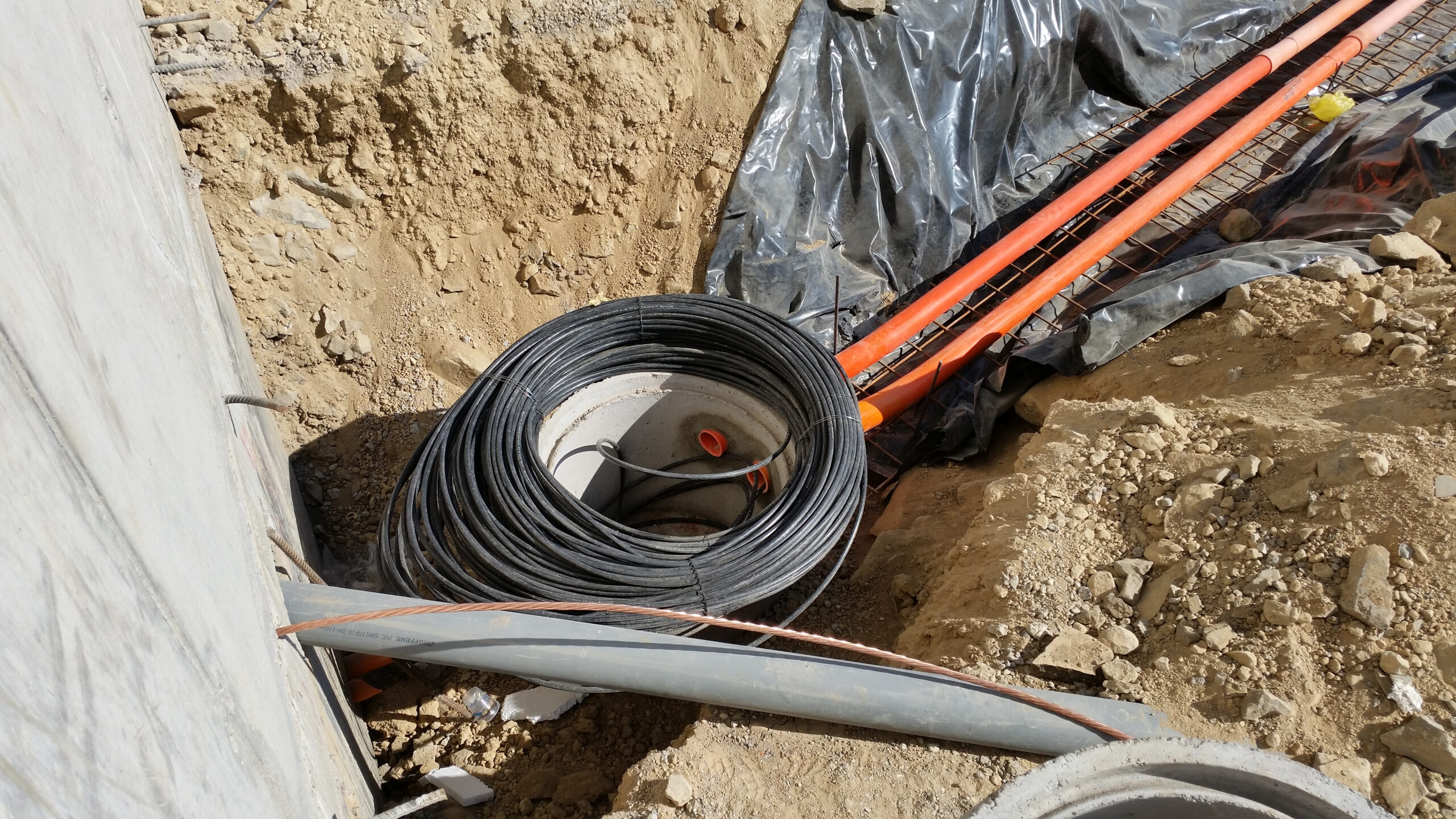
The terms are deliberately light. A district internet licence carries a one-time initial fee of Rs300,000 and, under the terms reported at launch, an annual fee of Rs100,000 for the first year, rising by 10 percent each year after that. The licence runs for ten years and covers internet services within a single district’s boundaries. Applications go through the PTA’s e-services portal.
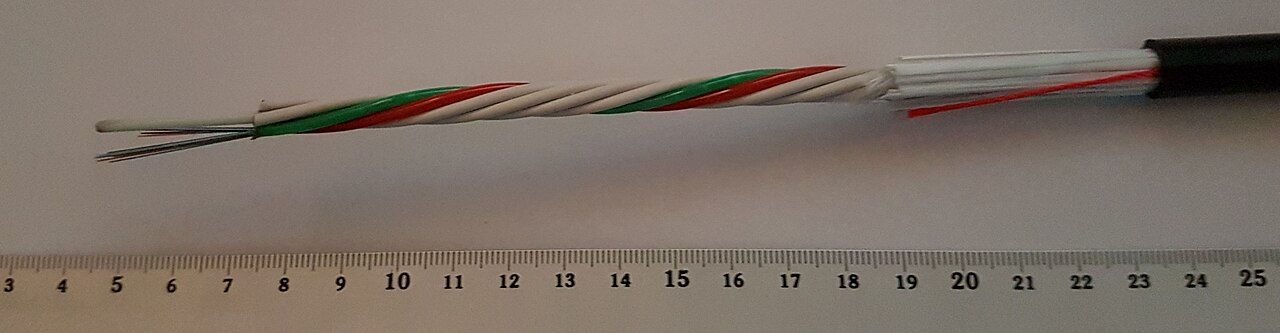
That is a very different proposition from a regional or nationwide ISP licence. A small team with fibre experience and modest capital can now legally serve one district without pretending to be a national carrier — laying fibre street by street, signing up homes, schools, clinics and wholesalers as anchor customers, and building a network that knows its own patch.
The model also fits the cashless-economy argument the PTA is making. Digital payments run on uptime, not on policy documents, and a district provider that keeps its own network healthy can do more for a tehsil town’s QR payments than a national upgrade announced in Islamabad.
From 47 licences to around 300
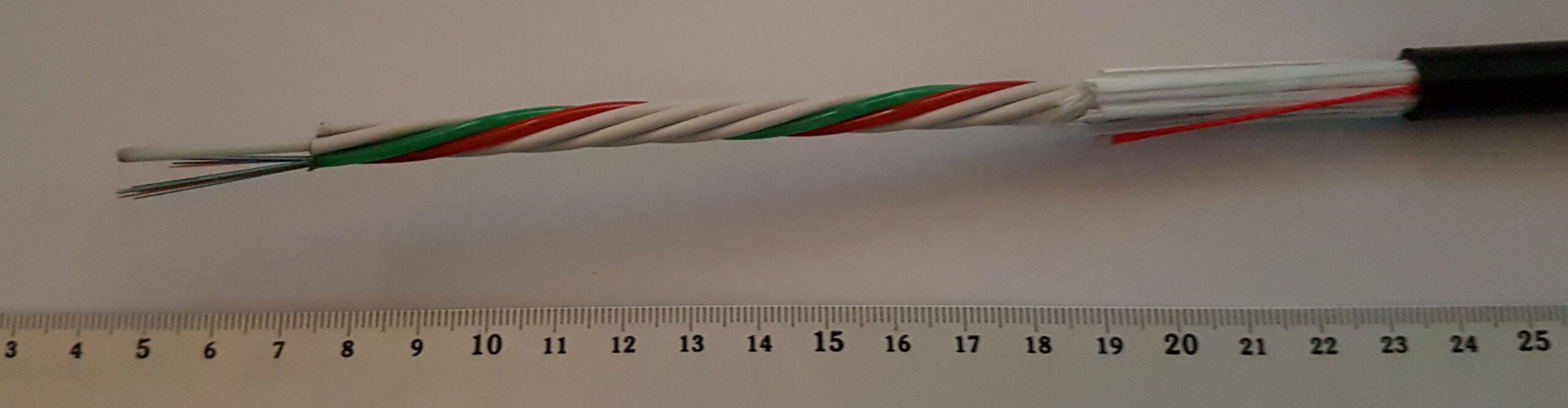
The numbers have moved fast. Industry reports counted 47 district licences issued in 2026 by July, with Lahore leading at seven and a record 20 issued in June alone. By late September, the count was reported at roughly 300 — most of them in Khyber Pakhtunkhwa.
That concentration in KP matters. It suggests the model works best exactly where national ISPs have been slowest to invest: smaller towns, hilly terrain and districts such as South Waziristan and Lower Chitral, which already hold licences. In places where “4G available” has long meant one bar of signal on a good day, a local fibre network is a genuine step change.
The Punjab Information Technology Board has also been tasked with extending internet connectivity to every town and village in Punjab, and the World Bank was scheduled to meet PITB on Monday to discuss that initiative — a conversation that could put funding behind last-mile infrastructure, with district licensees as the obvious partners.
Coverage gaps, congestion — and the SIM crackdown

The Multan meeting was not only about licences. The PTA also announced a crackdown on unauthorised roadside SIM outlets to curb the sale of illegally issued SIM cards, saying mobile connections should be sold only through authorised channels.
The two moves belong together. Illegally issued SIMs feed fraud, weak coverage kills trust in digital services, and thin last-mile networks make even a well-built bank or wallet app look unreliable. The regulator is now pressing on all three layers at once: more local providers, tighter SIM enforcement and closer watching of network quality.
For now, the test is the three-month window. If operators take up the facility and the Punjab rollout finds funding, the next twelve months could be the most important period yet for local internet in Pakistan — built not by one big national project, but by hundreds of small operators who know their districts.
Sources: The Nation; TecniForge.
Related Posts
 TechnologyPakistan’s First Astronaut: Ahsan Iqbal in China for Send-Off as Shenzhou-24 Launch Nears
 TechnologyPTA Resolves 94% of 7,254 Telecom Complaints in October as Jazz Tops the List
 TechnologyPakistan’s Mobile Phone Import Bill Falls 7.2% as Local Plants Build 23 Million Handsets
 TechnologyDun & Bradstreet Brings Verified Business Data to AI Platforms Across Pakistan and the Region
 TechnologyKarachi Delivery Rider ‘DP Bruce’ Arrested for Allegedly Selling FBI and CIA Data on the Dark Web
 TechnologyADB Ventures Backs Pakistan’s Neem to Digitise Business Payments as 71% of Retail Trade Stays in Cash
Most Popular
 How-ToPTA Tax Calculator 2026: Check Mobile Tax on Any Phone421 views
 Pakistan NewsPIA Boeing 787 Lease Deal: What It Means for the Airline396 views
 Canada JobsTech Jobs in Canada: Roles, Salaries, and Skills Needed394 views
 SportsUEFA Champions League 2026-27: Format, Teams and Schedule390 views
 TechnologyPM Shehbaz Sets November Deadline for Alibaba AI and Digitalisation Projects in Pakistan370 views
 ShowbizWomen’s Fashion in Pakistan 2026: Trends, Brands and Style Guide366 views