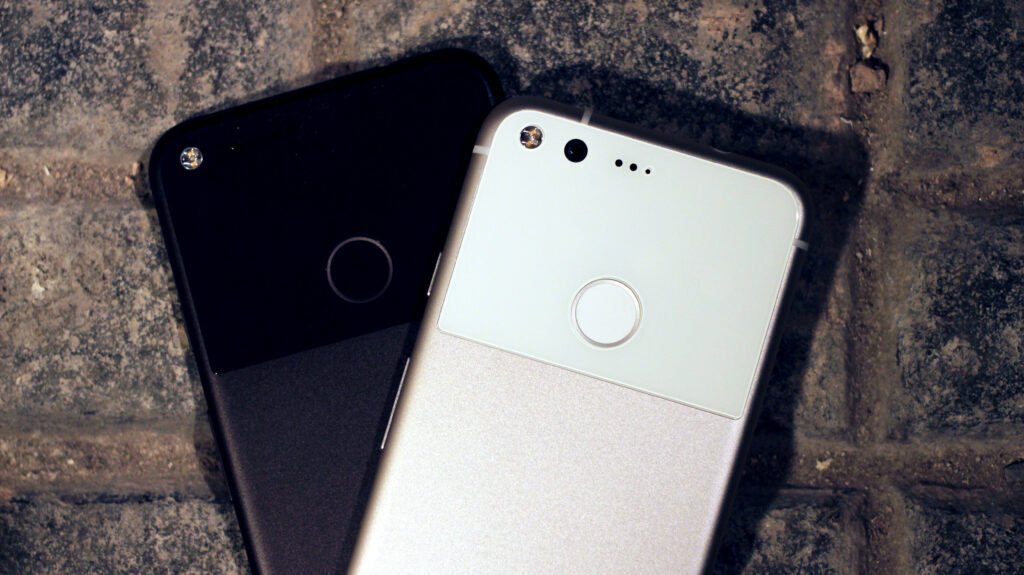
For years, carrying a Google Pixel in Pakistan meant accepting a strange trade-off. You got one of the best Android phones in the world, with the cleanest software and the smartest camera, but you could not use the country’s fastest mobile network on it. The phone simply refused to connect to 5G, and the only way around it was to root the device, edit system files and risk breaking the banking apps that refuse to run on modified phones.
That trade-off now looks finished. After installing Google’s November 2026 software update, Pixel owners in Pakistan are reporting that 5G works — natively, with no modifications at all.
The change arrived quietly. There was no press release and no announcement from Google. It was tucked inside the regular monthly update that began rolling out globally on 11 November, and Pakistani users started noticing it over the following days. The update bundles the 5 November security patch with Android 17 QPR2, plus carrier configuration changes, modem improvements and stability fixes. It is those carrier configuration changes that appear to have done the job.
What the November update changed
According to reports from Pixel owners, a “5G (recommended)” option now appears under Settings, then Network and Internet, then SIMs — the same menu where the option has always appeared on Pixels in countries where Google officially supports the network. Owners of the Pixel 8 Pro and the Pixel 10 have confirmed it, and reports suggest the change covers models from the Pixel 6a all the way through to the Pixel 11 series. Users on all three of Pakistan’s mobile operators — Jazz, Zong and Ufone — have reported seeing the option.
The early speed tests look real. One user reported download speeds above 327 Mbps in Johar Town, Lahore. Actual speeds will depend on coverage, location and which operator you are on, and 5G coverage is still concentrated in major cities, so a weak signal indoors does not mean the update failed. But for owners who have waited years to use the network their phone was always capable of, the option appearing at all is the news.
The catch — Google has not confirmed it
This is where a note of caution matters. Google has not mentioned Pakistan in its official changelog for the November update. Pixel phones are still not officially sold or certified in the country, which is exactly why they were locked out of local 5G and VoLTE in the first place. So for now, this is user-reported support: consistent, coming from several owners across different models and networks, and backed by believable speed tests — but not officially confirmed, and a configuration change can be rolled back in a future update. That distinction matters for anyone thinking of buying a Pixel specifically for 5G. The safe way to read it is that 5G works on Pixels in Pakistan today, but Google has not promised it will keep working. Anyone buying a grey-market Pixel should also remember that PTA registration is still required: no software update fixes a blocked IMEI, and an unregistered phone will not connect to any network at all.
Why this matters for Pakistan’s 5G story
Pakistan’s 5G story only really started this year. In March 2026, the PTA auctioned 480 MHz of spectrum for $507 million after three rounds of bidding. Jazz took the largest share with 190 MHz, including 20 MHz in the 700 MHz band meant for rural coverage. Ufone picked up 180 MHz and Zong 110 MHz. Commercial launches followed in major cities, and this week the IT Minister said internet speeds in the country had risen 60 percent in two and a half years.
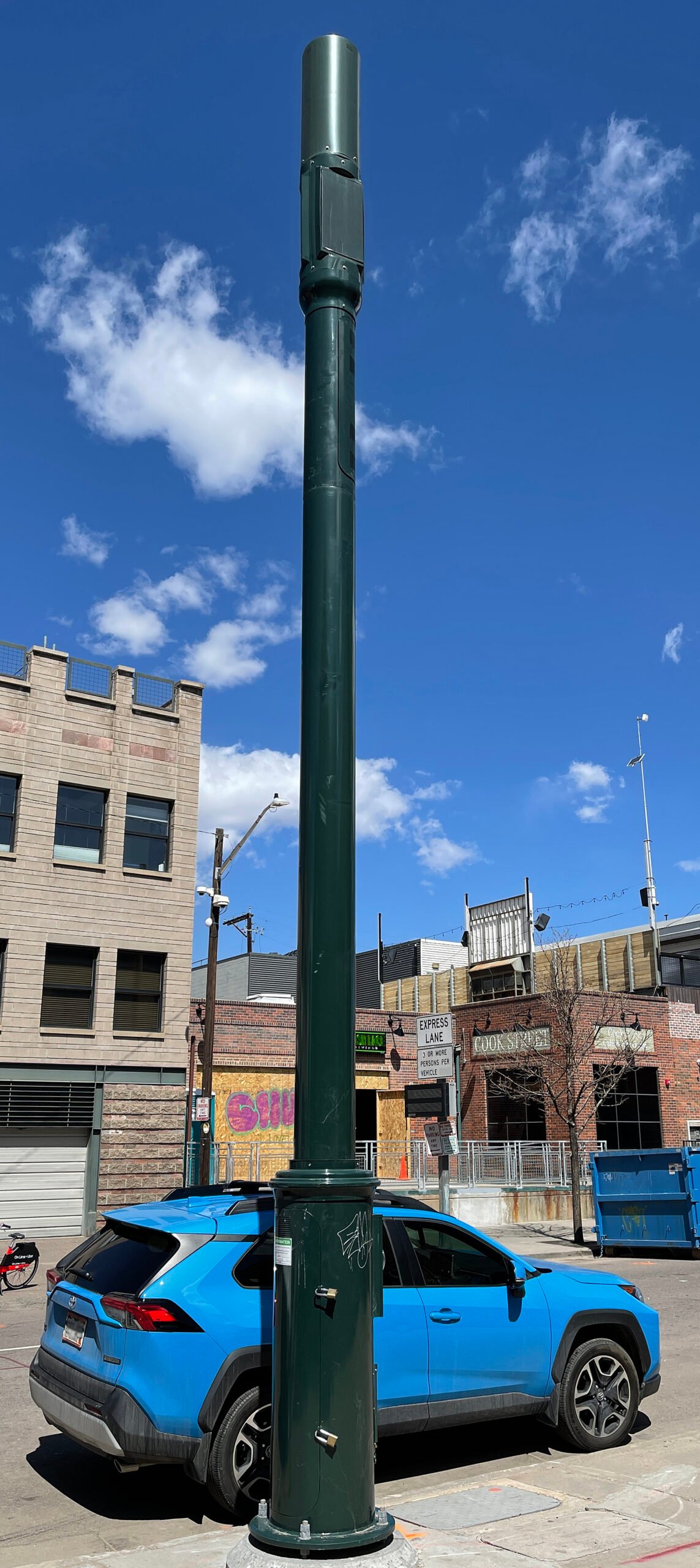
Getting the devices right is the next step after spectrum and towers, and that is what makes this Pixel change a bigger signal than it looks. Pixels are popular with developers, designers and tech-forward professionals — exactly the group that tests new features first and talks about them. Pakistani software teams often use Pixels as reference devices for Android work, and they can now test latency-sensitive features like video calls, live streaming and cloud gaming on actual local 5G instead of guessing how they will behave. When mainstream devices start working on 5G out of the box, it also becomes easier to justify 5G-based pilots in logistics, retail and smart manufacturing.
How to switch on 5G on your Pixel
If you own a Pixel and want to try this, the steps are simple. Install the November 2026 update from Settings, then System, then Software updates, and restart the phone. Then go to Settings, Network and Internet, then SIMs, and set the preferred network type to 5G. Make sure your SIM is a recent 5G-capable one from Jazz, Zong or Ufone, since older SIM cards sometimes cause trouble. Then check where you are. 5G coverage is still patchy, so try a speed test near a busy commercial area rather than deep indoors. If the 5G option does not appear at all, it is worth waiting a few days, because Google rolls out updates in phases and carrier configurations can arrive separately from the main update. And if your phone is not PTA-registered, sort that out first.
For a phone line that was never officially sold here, that is a remarkable turnaround — and for the thousands of Pakistanis who bought Pixels anyway, it is the update they have been waiting years for.
Sources
- TechJuice — “Pakistan’s Pixel Users Finally Get Access to 5G After Google Update” (12 November 2026)
- TecniForge — “Pixel 5G Pakistan: 7 Things the Update Changes” (14 November 2026)
Related Posts
 TechnologySpaceX Catches Starship From Orbit for the First Time as Flight 15 Makes History
 TechnologyIslamabad to Become Pakistan’s First Cashless City by 31 December — No Cash at Government Counters After 30 November
 TechnologyDenza N8 Launched in China: Prices From 269,900 Yuan, 1,003 km Range, 1,193 hp
 TechnologySamsung Galaxy AI Premium May Charge $4.99 a Month — Free AI Tools Face Usage Limits
 TechnologyBinance to Close Accounts in France, Italy, Spain and Poland on 31 December After MiCA Licence Setback
 TechnologyNCCIA Warns Pakistanis Against Fake Rs13,000 Iqbal Day Reward Scam
Most Popular
 How-ToPTA Tax Calculator 2026: Check Mobile Tax on Any Phone420 views
 Pakistan NewsPIA Boeing 787 Lease Deal: What It Means for the Airline394 views
 Canada JobsTech Jobs in Canada: Roles, Salaries, and Skills Needed391 views
 SportsUEFA Champions League 2026-27: Format, Teams and Schedule388 views
 TechnologyPM Shehbaz Sets November Deadline for Alibaba AI and Digitalisation Projects in Pakistan368 views
 ShowbizWomen’s Fashion in Pakistan 2026: Trends, Brands and Style Guide365 views