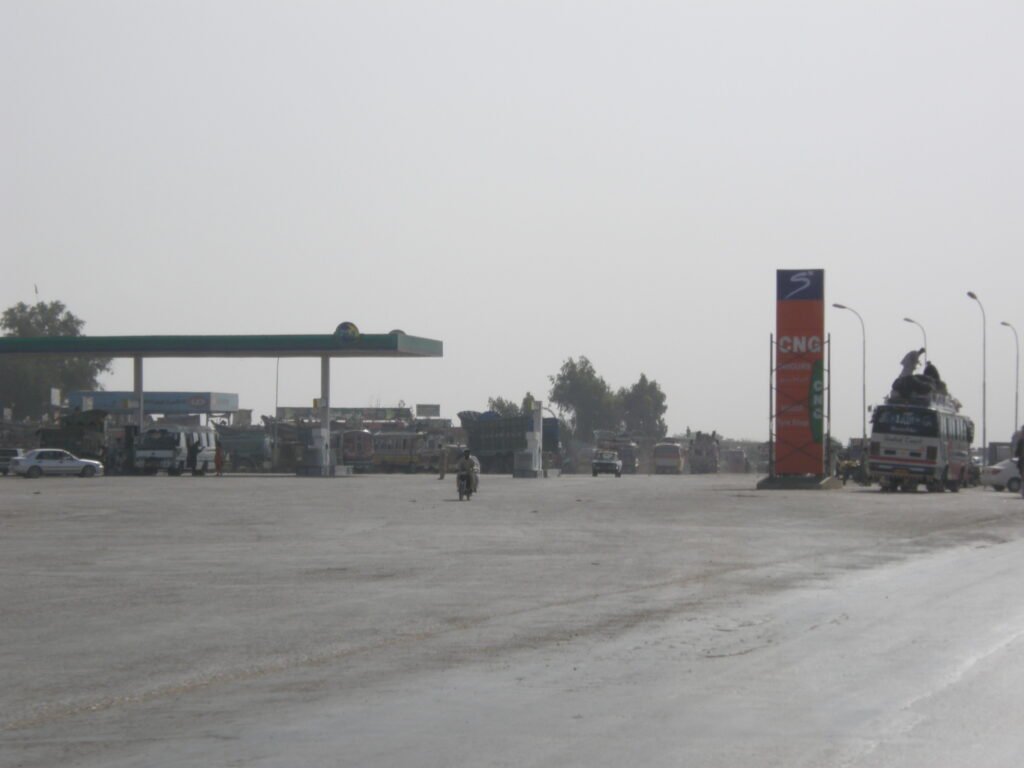
ISLAMABAD: The federal government has reduced the price of petrol by Re1 to Rs322 per litre and increased the price of high-speed diesel (HSD) by Rs2 to Rs357 per litre, the Oil and Gas Regulatory Authority (OGRA) said on Friday.
The revised prices take effect from Saturday, 21 November, and will remain in force until Monday, 23 November, according to the OGRA notification issued on Friday evening. Motorists filling up from Saturday morning will pay the new rates at fuel stations across the country.
The small cut in petrol brings only modest relief for car and motorcycle owners, while the rise in diesel is likely to add to the cost of goods transport, bus travel and farm operations, because diesel powers most trucks, buses, tractors and generators in Pakistan.
New Fuel Prices From 21 November

The latest notification sets the new ex-depot prices as follows:
| Product | Old price | New price | Change |
|---|---|---|---|
| Petrol | Rs323 per litre | Rs322 per litre | Down Re1 |
| High-speed diesel | Rs355 per litre | Rs357 per litre | Up Rs2 |
The petrol price Rs322 per litre is now the official notified rate for motor spirit, while high-speed diesel at Rs357 per litre is the new rate for the fuel most commonly used by commercial transport. The new prices apply for three days, from 21 to 23 November.
A Week of Daily Changes
The latest revision continues a run of almost daily changes to fuel prices. Petrol had fallen to Rs322 on 19 November after twelve straight daily cuts, then rose by Re1 to Rs323 a day later while diesel stayed unchanged at Rs355. Friday’s notification takes petrol back to Rs322 and lifts diesel to Rs357.
The government switched to a daily fuel price review amid heightened volatility in global oil markets following renewed hostilities in the Middle East. The weekly review system had been introduced after the outbreak of the Israel-Iran conflict in February, which was further intensified by US involvement and disruptions to energy shipments through the Strait of Hormuz, a key route for global oil supplies. Before the weekly mechanism, petroleum prices were revised on a fortnightly basis.
How the New Pricing Formula Works
The federal cabinet approved changes to the petrol pricing mechanism on 30 October. Under the revised formula, the import price of petrol is determined on the basis of the actual import cost of the relevant PSO cargo. If that cost is unavailable for daily pricing, the premium, incidentals and customs duty of the last available cargo are used instead.
For local refineries, the government has temporarily fixed the premium, incidentals and customs duty used in calculating the ex-refinery petrol price at their 7 March 2026 — pre-war — levels for 30 days. The difference between the import price and the resulting ex-refinery price is to be surrendered by refineries under the petroleum levy account, with the resulting benefit passed on through a corresponding reduction in the petrol price.
The government has also introduced a short-term adjustment to smooth petrol price movements, incorporating the benefit arising from a premium differential into petrol prices at a rate of $2.950 per barrel per day.
What the Change Means for Motorists and Transporters
For most motorists, the Re1 cut in petrol is small. A car with a 40-litre tank saves Rs40 on a full fill, while a motorcycle owner saves only a few rupees per fill. The relief is real but modest, and it follows a Re1 increase only a day earlier.
The Rs2 rise in diesel matters more. Diesel is the workhorse fuel of the economy: it runs the trucks that move food and goods between cities, the buses that carry passengers, the tractors that work the fields and the generators that back up power supply. When diesel gets dearer, transporters usually pass the extra cost on through higher fares and freight charges, which can feed into the prices of everyday goods.
Farmers and small transport operators are likely to feel the increase first, because diesel makes up a large share of their running costs. For households, the direct effect is limited to the small petrol saving, but any rise in transport costs can show up in market prices over the following days.
What Happens Next
The new rates apply until Monday, 23 November. The next revision is expected on Tuesday, 24 November, under the daily review mechanism, and it will depend on international oil prices and the rupee-dollar exchange rate.
With global oil markets still unsettled, motorists should expect frequent small changes rather than one settled price. The daily review means each notification covers only a few days, so the price at the pump can move up or down several times in a single week.
Related Posts
 BusinessGold Price in Pakistan Keeps Falling — Karachi Bars Run Short as Dealers Charge Up to Rs30,000 Premium
 BusinessOGRA Cuts Jet Fuel, Kerosene and Light Diesel Prices — Kerosene Down Rs10.42 a Litre
 BusinessPakistan and Russia to Hold Direct Payment Talks in Moscow on 23–24 November
 BusinessState Bank Injects Rs13.54 Trillion Into Banking System to Keep Cash Flowing
 BusinessFauji Foods Names Haseebullah Zahur as New CEO From 1 January 2027
 BusinessDewan Motors Launches Facelifted BMW i7 in Pakistan From Rs6.52 Crore
Most Popular
 How-ToPTA Tax Calculator 2026: Check Mobile Tax on Any Phone421 views
 Pakistan NewsPIA Boeing 787 Lease Deal: What It Means for the Airline396 views
 Canada JobsTech Jobs in Canada: Roles, Salaries, and Skills Needed393 views
 SportsUEFA Champions League 2026-27: Format, Teams and Schedule390 views
 TechnologyPM Shehbaz Sets November Deadline for Alibaba AI and Digitalisation Projects in Pakistan370 views
 ShowbizWomen’s Fashion in Pakistan 2026: Trends, Brands and Style Guide366 views


One comment