The latest Pakistan digital payments Q4 FY26 figures show the country processed about 4.2 billion digital transactions worth nearly Rs60 trillion in the April–June quarter, according to the State Bank of Pakistan’s annual report on the State of Pakistan’s Economy for FY26, released on Monday. At that pace, Pakistan is now processing well over one billion digital payments every month through formal banking channels.
A record quarter caps a year of rapid growth

File photo
The quarterly figure caps a year of continuous expansion. Across the full fiscal year, digital transactions grew 65 percent to 13.2 billion, lifting the digital share of retail payments to 92 percent, up from 88 percent in FY25, according to the State Bank’s Annual Report on Payment Systems for FY26, published in October. Retail payments through formal banking channels rose 58 percent to 14.3 billion transactions, worth Rs673 trillion. The growth is coming mainly from many small, everyday payments — wallet transfers, bill payments and mobile top-ups — rather than large business payments moving away from cash: digital volume grew 65 percent while total retail payment value rose only 10 percent.
Mobile phones lead the cashless shift
File photo
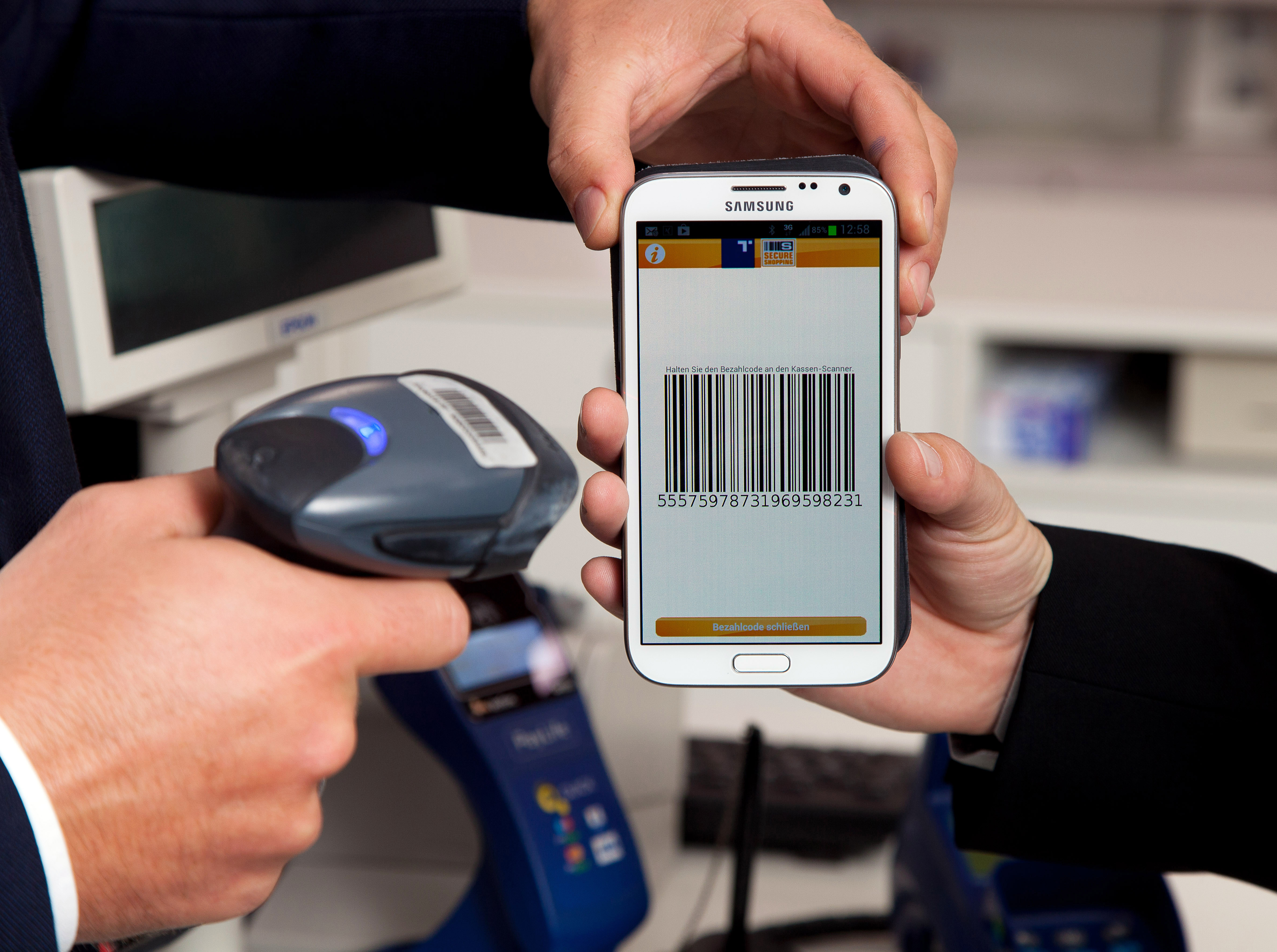
Mobile phones are doing most of the work. Mobile phone-based channels handled more than 11.1 billion transactions in FY26, up 79 percent, while internet banking portals handled about 0.3 billion, up 15 percent. Branchless banking apps now have 99.1 million users and bank mobile apps have 30.4 million. Licensed banks and electronic money institutions operate more than 50 million active digital payment accounts across the country. Wider 4G coverage, more services moving online and QR codes at small shops have all pushed the shift, letting people pay without a desktop computer or a visit to a bank branch.
Raast powers instant payments

File photo
The State Bank’s instant payment system, Raast, sits at the centre of the change. It clears transfers between different banks in real time, cutting settlement delays and fees. In the January–March 2026 quarter, Raast alone carried 742 million transactions worth Rs23.27 trillion, and the system now handles 10 to 11 million transactions a day. More than 2.6 million merchants have been onboarded for Raast person-to-merchant payments, and card acceptance has widened too: the State Bank counted 337,791 point-of-sale terminals at 295,367 merchant locations, with daily card payments rising to nearly 1.5 million from about one million a year earlier. Online shopping has followed the same pattern — account-based payments made up 96 percent of e-commerce transactions routed through banking channels.
Cash still common — but the direction is clear

File photo
Cash has not disappeared. It remains widely used for retail purchases at shops, which is why the government and the State Bank have pushed merchant acceptance so hard. Islamabad is leading the way: shops in the capital must accept digital payments by 31 December 2026, and no cash will be taken at government counters after 30 November. The prime minister has ordered a roadmap for a fully cashless economy, payments under Asaan Assignment Accounts moved to Raast from 16 November, and most government institutions are expected to finish digitisation by December 2026.
What it means for banks, fintechs and users

File photo
For banks, electronic money institutions and fintech startups, a quarterly run rate of 4.2 billion transactions shows a large and still-growing user base. The next challenge is turning frequent small transfers into deeper use — merchant payments, savings, credit and insurance. With nearly 100 million branchless banking app users, reach is no longer the main barrier; usage depth is. For ordinary users, the change is already visible: bills, top-ups and money sent to family now move in seconds, without queues or paper receipts — and the numbers suggest Pakistan’s cashless shift is accelerating, not slowing down.
The figures come from the State Bank’s annual report on the economy for FY26 and its annual payment systems report, which covers July 2025 to June 2026. Q4 FY26 refers to the April–June 2026 quarter.
Related Posts
 TechnologyDigiSkills Batch 05: 300,000 Free Seats for 24 Online Courses — Register Before 30 November
 TechnologyGTA 6 PS5 Update Now Mandatory as Sony Patches Firmware Days Before Launch
 TechnologyGoogle Gemini Privacy Change: History Off No Longer Means Deleted — Chats Kept for Two Months
 TechnologyNSA Classified Network Goes Down During Routine Maintenance — No Sign of Cyberattack
 TechnologyApple Outage Hits App Store, iCloud and Apple Pay — Company Blames Internal Update, Rules Out Cyberattack
 TechnologyPakistan IT Exports Record: $453 Million in October, the Highest Ever Monthly Figure
Most Popular
 How-ToPTA Tax Calculator 2026: Check Mobile Tax on Any Phone420 views
 Pakistan NewsPIA Boeing 787 Lease Deal: What It Means for the Airline396 views
 Canada JobsTech Jobs in Canada: Roles, Salaries, and Skills Needed392 views
 SportsUEFA Champions League 2026-27: Format, Teams and Schedule389 views
 TechnologyPM Shehbaz Sets November Deadline for Alibaba AI and Digitalisation Projects in Pakistan369 views
 ShowbizWomen’s Fashion in Pakistan 2026: Trends, Brands and Style Guide366 views