Prime Minister Shehbaz Sharif has directed the Oil and Gas Regulatory Authority (OGRA) to introduce an artificial intelligence and analytics-based system to monitor Pakistan’s petroleum products supply chain, in one of the most significant technology moves yet for the country’s fuel sector. The directive was issued at a meeting in Islamabad reviewing the progress of artificial intelligence and digitalisation projects across the economy and public administration.
According to the Prime Minister’s Office, OGRA will be provided with AI and business intelligence tools to analyse fuel supply chain data and strengthen regulatory oversight. The initiative is being developed under Pakistan’s strategic cooperation with Alibaba Group, and the government has asked the relevant ministries to complete the necessary arrangements for these projects by November. If delivered, OGRA AI petroleum monitoring could change how Pakistan tracks every litre of fuel from import to petrol pump. The stakes are high: fuel shortages and hoarding have repeatedly disrupted the market, and OGRA AI petroleum monitoring is being pitched as the technological answer.
PM Shehbaz directs OGRA to adopt AI monitoring
(File photo)
The instruction came as the Prime Minister reviewed the wider portfolio of AI and digitalisation projects being pursued with Alibaba. Shehbaz Sharif directed that OGRA be equipped with analytics and AI tools to examine petroleum supply chain data, with the aim of giving the regulator sharper visibility into how fuel moves through the country.
He also told departments to establish clear targets and timelines for the wider projects and to submit a progress report once the required measures are completed by November. The message from Islamabad is unmistakable: the government wants the OGRA artificial intelligence fuel supply chain programme to move from announcement to action within weeks, not months. OGRA AI petroleum monitoring is now officially a priority project, not just a proposal.
What the AI system will track
(File photo)
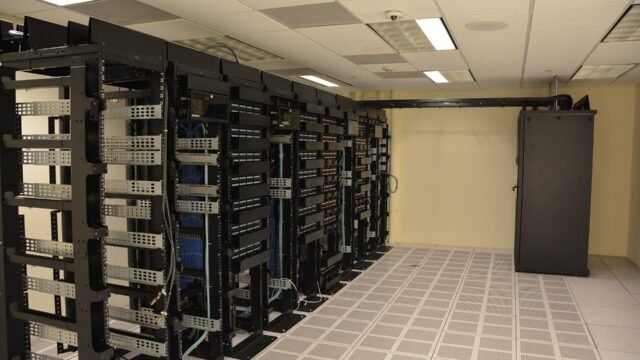
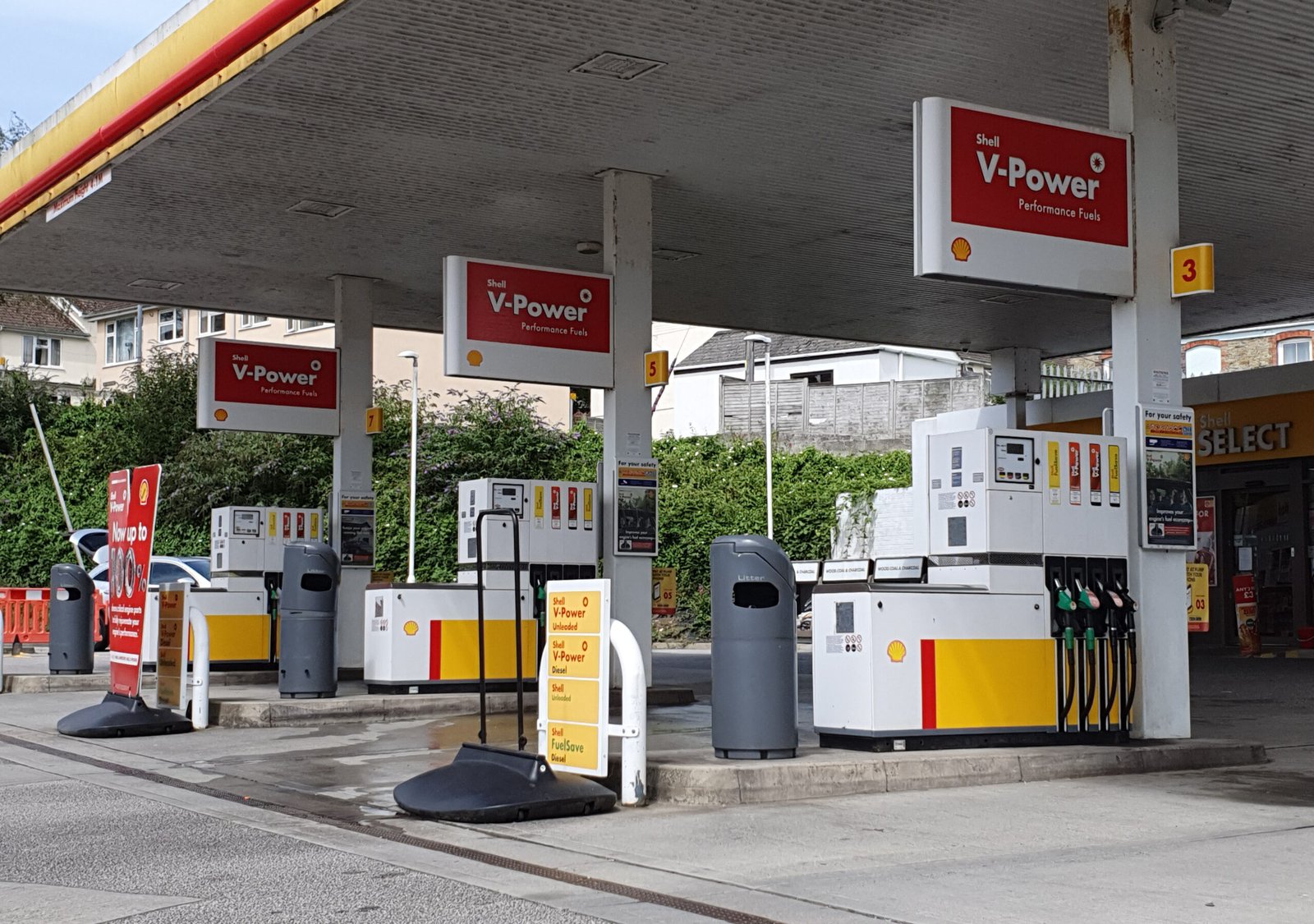
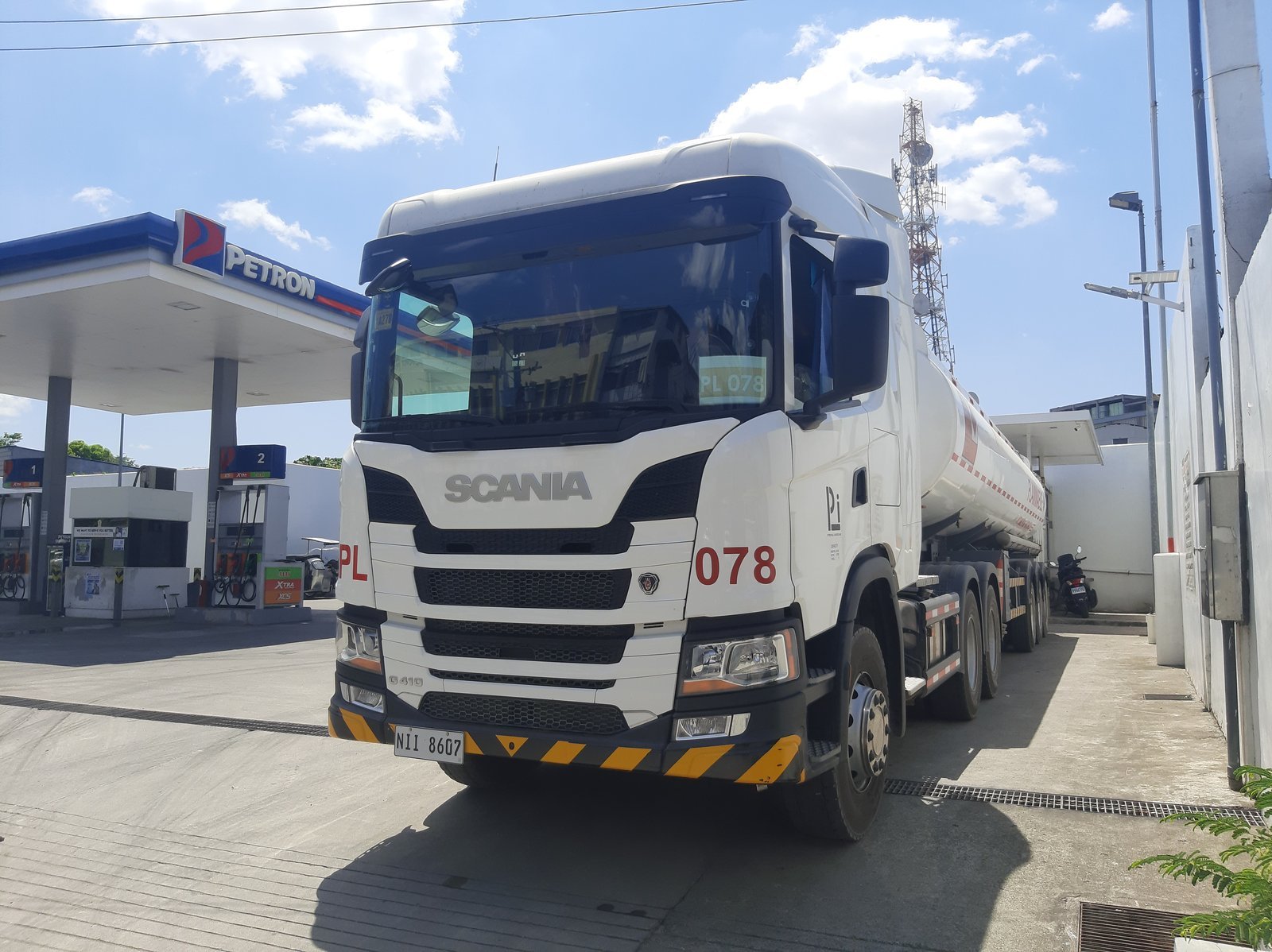
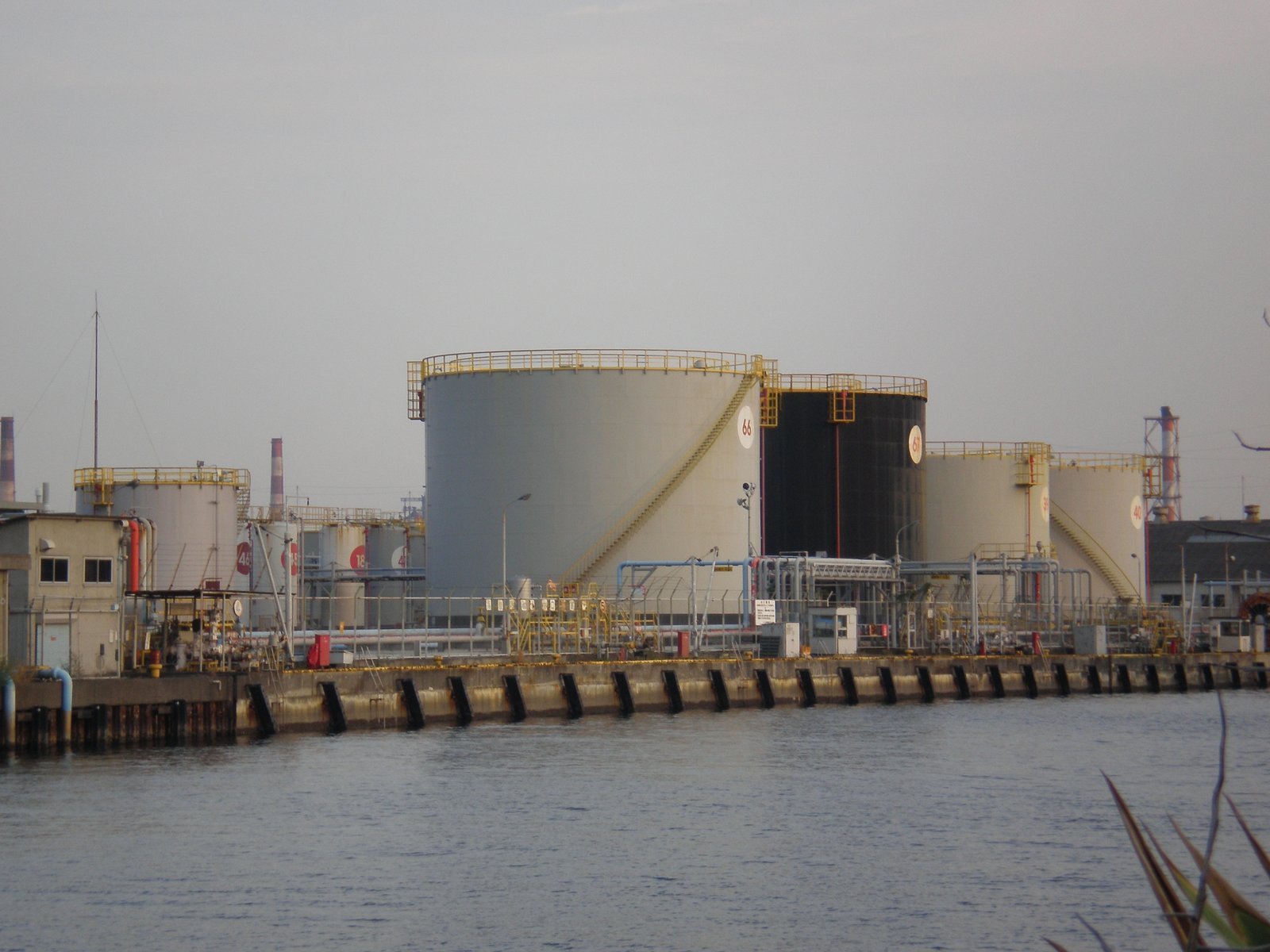
The proposed system is designed to follow petroleum products through the entire supply chain, from ports and refineries to storage facilities and finally to petrol pumps. Data analytics would support the regulator in monitoring stock positions, identifying unusual supply movements and detecting potential disruptions in distribution.
The technology could also improve OGRA’s ability to spot irregularities and back up enforcement activities with hard evidence. In practical terms, OGRA AI petroleum monitoring would convert the raw flow of fuel data into analysis the regulator can act on — flagging hoarding, diversion or artificial shortages before they hit consumers. For a country where petroleum supply chain monitoring in Pakistan has long relied on manual reporting, that would be a genuine step change.
Built on OGRA’s existing digital tools
(File photo)
The new intelligence layer will not be starting from zero. OGRA already operates several digital monitoring systems, including a National Monitoring Dashboard, a Tanker Track and Trace system, depot tank telemetry, the Rahguzar mobile application, a digital sales entry system at petrol pumps and a Central Monitoring Cell.
The authority has also been integrating data from oil marketing companies and refineries through enterprise resource planning systems and obtaining stock information through automatic tank gauging sensors. In July 2026, a data-driven enforcement campaign identified cases of alleged hoarding and unnecessary supply disruptions, resulting in show-cause notices and legal proceedings. That campaign showed the regulator is prepared to use data as a weapon — and OGRA AI petroleum monitoring is the logical next step in that direction.
Part of the wider Pakistan-Alibaba AI partnership
(File photo)
The fuel monitoring project is one of several technology initiatives being pursued under the Pakistan Alibaba AI partnership. Other areas include an AI-assisted early cancer detection system, a 15-day AI training programme for IT graduates through the Ministry of IT’s Ignite programme, AI-based agricultural models and digital platforms for exporting citrus fruits and olives. The government is also working on tobacco track-and-trace technology and other digital public-sector projects.
As reported in our coverage of the November deadline for Alibaba AI and digitalisation projects, the Prime Minister has been pressing for faster implementation across the board. The Shehbaz Sharif AI digitalisation OGRA push now adds fuel regulation to a growing list of sectors being brought into the AI fold.
What we still don’t know
(File photo)
For all the ambition, several basics remain undisclosed. The government has not shared the system’s technical specifications, its deployment schedule, what it will cost or the precise role Alibaba will play in developing it. No launch date has been announced — what has been announced is a direction, not a deployment.
The effectiveness of OGRA AI petroleum monitoring will depend on data integration, implementation quality and the accuracy of information received from companies and sensors across the chain. With fuel costs already a national concern — see our report on the petroleum levy hitting Rs4.4 trillion — better oversight cannot come soon enough. For now, the November progress report is the first real test: the moment when OGRA AI petroleum monitoring must prove it is more than a promise on paper. Computerworld Pakistan’s detailed report on the OGRA announcement and PakWheels’ coverage of the AI fuel monitoring plan carry further background on the initiative.
Related Posts
 Technologytkxel Named Select Partner by Both OpenAI and Anthropic in Rare Double Win for Pakistani Tech
 TechnologyPTA Chairman: Regulation Alone Cannot Curb Harmful Social Media Content
 TechnologyPTA Mobile Site Inspections Cross 900 in Nationwide Quality Drive
 TechnologyAdalFi IPO: Pakistan’s First Fintech Listing on PSX to Raise Rs 652 Million
 TechnologyPakistan Plans New Mobile Manufacturing Policy to Raise Local Parts to 50%
 TechnologyPakistan’s IT Exports Hit $3.39 Billion in Nine Months as Global AI Outsourcing Boom Opens Fresh Doors
Most Popular
 How-ToPTA Tax Calculator 2026: Check Mobile Tax on Any Phone329 views
 SportsUEFA Champions League 2026-27: Format, Teams and Schedule316 views
 SportsBallon d’Or 2026: London Ceremony, Nominees and All-Time Records Ahead of 70th Anniversary313 views
 Canada JobsTech Jobs in Canada: Roles, Salaries, and Skills Needed302 views
 Pakistan NewsPIA Boeing 787 Lease Deal: What It Means for the Airline295 views
 TechnologyRedmi K100 Launching on 28 October: 10,000mAh Battery, 185Hz Display and Full Specs290 views