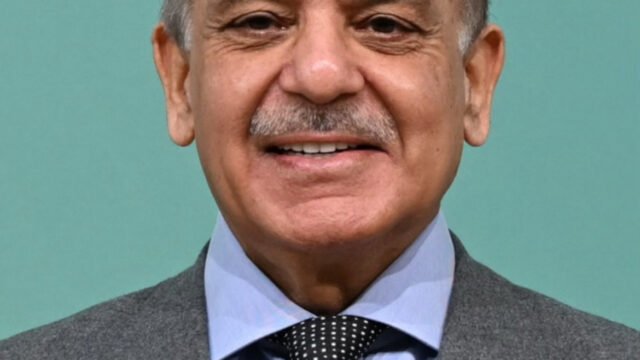
Governor Sindh 2026: Role, Powers and Duties

The Governor Sindh is the constitutional head of Pakistan’s most populous province. As of October 2026, the office is held by Nehal Hashmi of the Pakistan Muslim League-Nawaz (PML-N), who took oath as the 35th officeholder on 13 March 2026. This guide explains who holds the post, how it works under the Constitution of Pakistan, and what powers and duties come with it.
Who Is the Current Officeholder?
Nehal Hashmi was sworn in at a ceremony at the Governor House in Karachi on 13 March 2026. The oath of office was administered by Justice Zafar Ahmed Rajput, the Chief Justice of the Sindh High Court. His appointment was approved by President Asif Ali Zardari on the advice of Prime Minister Shehbaz Sharif, after which the outgoing governor, Kamran Khan Tessori of the MQM-P, left the office, as reported by The News. Tessori had served in the post from October 2022 to March 2026.
Born in Karachi on 28 January 1960, Hashmi is a lawyer by profession. He joined the PML-N in 1992, served as adviser on law, justice and human rights to Prime Minister Nawaz Sharif from 1997 to 1999, led the PML-N’s Karachi and Sindh chapters, and served as a member of the Senate of Pakistan from March 2015 to February 2018. The oath-taking ceremony was attended by Chief Minister Syed Murad Ali Shah, Karachi Mayor Murtaza Wahab, provincial ministers and senior officials. Readers tracking Pakistan’s provincial leadership can also follow our coverage of the CM Sindh 2026 office and policies for a fuller picture of the province’s government.
Governor Sindh: Constitutional Basis of the Office
The office derives its authority from Articles 48 and 101 of the Constitution of Pakistan. The governor is appointed by the President of Pakistan on the advice of the Prime Minister, which means the post reflects the federal government’s choice. Before entering office, the new appointee takes an oath before the Chief Justice of the Sindh High Court, as Hashmi did in March 2026.
The governor holds office during the pleasure of the President, so the tenure can change when the federal government decides. The transition from Tessori to Hashmi in March 2026 illustrates this: a change in the federal government’s preference led to a new appointment within days of the summary’s approval. For context on how provincial governments are formed, see our guide to the CM Punjab 2026 office and policies, which explains a similar constitutional framework in another province.
Powers of the Office
The post carries several important constitutional powers:
- Summoning and proroguing the assembly: Under Article 109, the governor summons sessions of the Sindh Assembly, prorogues them and, on the advice of the Chief Minister, can dissolve the assembly.
- Assent to bills: Every bill passed by the Sindh Assembly is presented to the Governor House for assent. The governor may assent, return the bill for reconsideration, or reserve it for the President’s consideration.
- Ordinances: When the assembly is not in session, ordinances can be promulgated on the advice of the cabinet, subject to constitutional limits.
- Administering oaths: The governor administers the oath of office to the Chief Minister and provincial ministers.
- Appointment of the Chief Minister: The governor invites the member of the assembly who commands the confidence of the majority to form the government.
- Addressing the assembly: The governor may address the provincial assembly and send messages on any pending bill.
Duties and Day-to-Day Role
In practice, the governor acts on the advice of the provincial cabinet or the Chief Minister for most decisions. The day-to-day duties include signing bills into law, formally approving assembly sessions, receiving briefings from departments, and representing the province at official events. The officeholder also serves as the chancellor of public-sector universities in Sindh, a role that involves convocation ceremonies and appointments of vice-chancellors, according to The News.
The Governor House in Karachi is the official residence and the centre of the office’s public activities. In recent years, governors have used the office for public outreach programmes, including education and welfare initiatives. Since Hashmi took over in March 2026, his public statements have emphasised development and public service in Karachi and across the province. You can read about parallel federal-provincial dynamics in our article on Governor KPK 2026 role and powers.
Governor’s Rule and Emergency Provisions
The Constitution also assigns the office a role in extraordinary situations. Under Article 234, if the President is satisfied that the government of the province cannot be carried on in accordance with the Constitution, the President may assume the province’s executive authority — a situation commonly called governor’s rule. The governor then administers the province on the President’s behalf. Such a proclamation requires approval by Parliament and is subject to strict time limits.
It is important to note that as of October 2026, no governor’s rule has been imposed in Sindh. The province is governed by its elected assembly and the PPP government led by Chief Minister Murad Ali Shah, with the constitutional head performing his regular duties. Readers interested in how constitutional crises are handled elsewhere can compare with the situation in Khyber Pakhtunkhwa, where the governor’s role has drawn frequent attention in 2025 and 2026.
Frequently Asked Questions
Who is the current officeholder in 2026?
Nehal Hashmi is the Governor Sindh in 2026. He took oath as the 35th governor on 13 March 2026, replacing Kamran Khan Tessori.
How is the governor appointed?
The governor is appointed by the President of Pakistan on the advice of the Prime Minister, under Articles 48 and 101 of the Constitution.
What is the term of the office?
The officeholder serves during the pleasure of the President, so there is no fixed term; the office can change when the federal government decides.
Can the governor dissolve the provincial assembly?
Yes. On the advice of the Chief Minister, the governor can dissolve the Sindh Assembly under Article 112 of the Constitution.
What was Nehal Hashmi’s profession before the appointment?
Nehal Hashmi is a lawyer from Karachi who joined the PML-N in 1992 and served as a senator from 2015 to 2018.
Related Posts
 Pakistan NewsPM Shehbaz Sharif to Visit Russia and Iran from November 30 in Back-to-Back Diplomatic Push
 Pakistan NewsMohsin Naqvi Warns Unnamed Minister Over Daily TV Attacks: “He Will Not Be Able to Show His Face”
 Pakistan NewsTwo Young Sisters Die After Allegedly Eating Noodles in Lahore’s Shahdara Area; Third Girl Critical
 Pakistan NewsKarachi Roads Closed as JUI-F Protest and JSRC Rally Bring City to a Standstill
 Pakistan NewsAsset Declaration Deadline Extended to 30 November for Civil Servants
 Pakistan NewsFIA Arrests Two in Rs250 Million Immigration Fraud Case — Saudi Job Promises Used to Cheat Citizens
Most Popular
 How-ToPTA Tax Calculator 2026: Check Mobile Tax on Any Phone421 views
 Pakistan NewsPIA Boeing 787 Lease Deal: What It Means for the Airline396 views
 Canada JobsTech Jobs in Canada: Roles, Salaries, and Skills Needed393 views
 SportsUEFA Champions League 2026-27: Format, Teams and Schedule390 views
 TechnologyPM Shehbaz Sets November Deadline for Alibaba AI and Digitalisation Projects in Pakistan370 views
 ShowbizWomen’s Fashion in Pakistan 2026: Trends, Brands and Style Guide366 views