The federal government has begun the process of withdrawing the Pakistan Telecommunication (Re-organisation) Amendment Bill 2026 from the Senate, announcing plans to introduce a fresh draft of the proposed legislation after the existing bill ran into fierce opposition over clauses critics labelled “draconian”. The move ends — at least for now — a months-long standoff between the government and the Pakistan Peoples Party over the telecom amendment bill.
According to a statement issued by the Ministry of Information Technology and Telecommunication, the 90-day period available for Senate consideration of the existing bill was nearing expiry. Once that period ends, the legislation would automatically move towards a joint sitting of Parliament — a sitting the ministry says might not be held in the near future, potentially delaying the proposed legislation indefinitely. To prevent the process from stalling, the ministry has decided to present a fresh bill that would preserve the main objectives and substance of the earlier proposal while allowing Parliament to consider it within a more practical and timely framework.
Why the telecom amendment bill is being withdrawn
The proposed amendments seek changes to the Pakistan Telecommunication (Re-organisation) Act, 1996. The National Assembly approved the original bill by a majority vote on June 11, 2026. It was later sent to the Senate Standing Committee on Information Technology and Telecommunication on June 15, but consideration of the bill was subsequently deferred for clause-by-clause scrutiny — and it never moved again.
The ministry’s statement, issued on Friday, said the withdrawal was a procedural necessity rather than an abandonment of the reform agenda. Officials said the new draft would retain right-of-way provisions for public infrastructure but make prior consent mandatory for private property — a key concession to critics of the withdrawn telecom amendment bill.
The “draconian” clauses that sparked the backlash
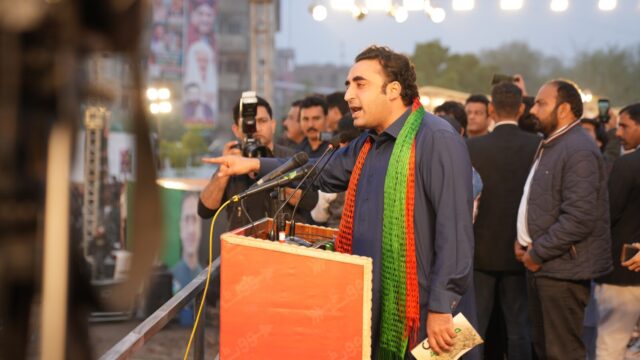
The legislation had faced resistance from the Pakistan Tehreek-e-Insaf, while the Pakistan Peoples Party had also expressed strong reservations. PPP Senator Sherry Rehman had stated that her party would not support legislation dealing with the IT sector, the Pakistan Telecommunication Authority or right-of-way matters unless the proposed changes were properly examined and amended by the relevant Senate standing committee.
Rehman argued that the bill still contained provisions her party considers excessive, particularly clauses related to rights of way for telecommunications infrastructure. She expressed concern over sections that could grant broad powers to authorities and impose heavy penalties, including fines of up to Rs50 million for delaying or obstructing telecom infrastructure projects. The senator said several of the provisions — especially Section 27A on rights of way — had been assured removed before the National Assembly passed the bill, but remained in the version later sent to the Senate.
The Islamabad Bar Association and digital rights groups warned the law could be used for “forced entry” into private premises, while several lawmakers from both the opposition and treasury benches also raised concerns. Critics said the clauses violated Article 23 of the Constitution, which protects property rights.
Government’s defence of the telecom reforms
IT Minister Shaza Fatima Khawaja and Law Minister Azam Nazeer Tarar rejected claims that the proposed legislation would give telecom companies unrestricted authority to occupy private property. The government maintains that no citizen can be forced to allow telecom infrastructure on privately owned property, and that the proposed reforms are intended to modernise Pakistan’s telecommunications framework while balancing infrastructure development with the protection of property rights.
Following public criticism and media reports, Prime Minister Shehbaz Sharif took notice and constituted a committee headed by Minister for Law and Justice Azam Nazeer Tarar to examine the legislation. Officials said the committee’s work would feed into the fresh draft of the telecom amendment bill.
What the fresh draft is expected to change
According to officials, the new draft will keep the right-of-way provisions for public infrastructure — seen as essential for expanding Pakistan’s fibre-optic network and digital infrastructure — while making prior consent mandatory for private property. Under the withdrawn bill, no public authority was to demand any “charges, fees, rent, of any nature whatsoever” for access, and if a public authority did not respond within 30 days of a licensee’s request, approval was to be “deemed to have been granted”.
For private land, the withdrawn draft required licensees to seek approval from owners or tenants by registered mail, with non-response in 30 days allowing referral to the “appropriate government”. Disputes were to be settled within 45 days by an officer not below the rank of secretary. These provisions are expected to be reworked in the fresh legislation.
What happens next for telecom legislation
With the telecom amendment bill withdrawn from the Senate, the IT ministry now has to table the fresh draft in Parliament, where it will again face scrutiny from the Senate Standing Committee on IT and Telecom. The PPP, which had drawn a red line on the Senate passage of the earlier version, is expected to press for its proposed deletions in the new text.
The outcome will shape Pakistan’s telecommunications landscape for years to come — determining how quickly fibreisation and right-of-way access expand, and how property rights are protected in the process. For now, the telecom amendment bill stands withdrawn, and the debate moves to the drafting table.
Sources: Minute Mirror, Dawn
Related Posts
 Pakistan NewsKarachi Defence Armoured Vehicle Video Case: Three More Drivers Arrested, Luxury Car Seized
 Pakistan NewsFIA Arrests Times Immigration Owners in Rs250 Million Visa Fraud Case
 Pakistan NewsPM Shehbaz Sharif to Visit Russia and Iran from November 30 in Back-to-Back Diplomatic Push
 Pakistan NewsMohsin Naqvi Warns Unnamed Minister Over Daily TV Attacks: “He Will Not Be Able to Show His Face”
 Pakistan NewsTwo Young Sisters Die After Allegedly Eating Noodles in Lahore’s Shahdara Area; Third Girl Critical
 Pakistan NewsKarachi Roads Closed as JUI-F Protest and JSRC Rally Bring City to a Standstill
Most Popular
 How-ToPTA Tax Calculator 2026: Check Mobile Tax on Any Phone421 views
 Pakistan NewsPIA Boeing 787 Lease Deal: What It Means for the Airline396 views
 Canada JobsTech Jobs in Canada: Roles, Salaries, and Skills Needed394 views
 SportsUEFA Champions League 2026-27: Format, Teams and Schedule390 views
 TechnologyPM Shehbaz Sets November Deadline for Alibaba AI and Digitalisation Projects in Pakistan370 views
 ShowbizWomen’s Fashion in Pakistan 2026: Trends, Brands and Style Guide366 views