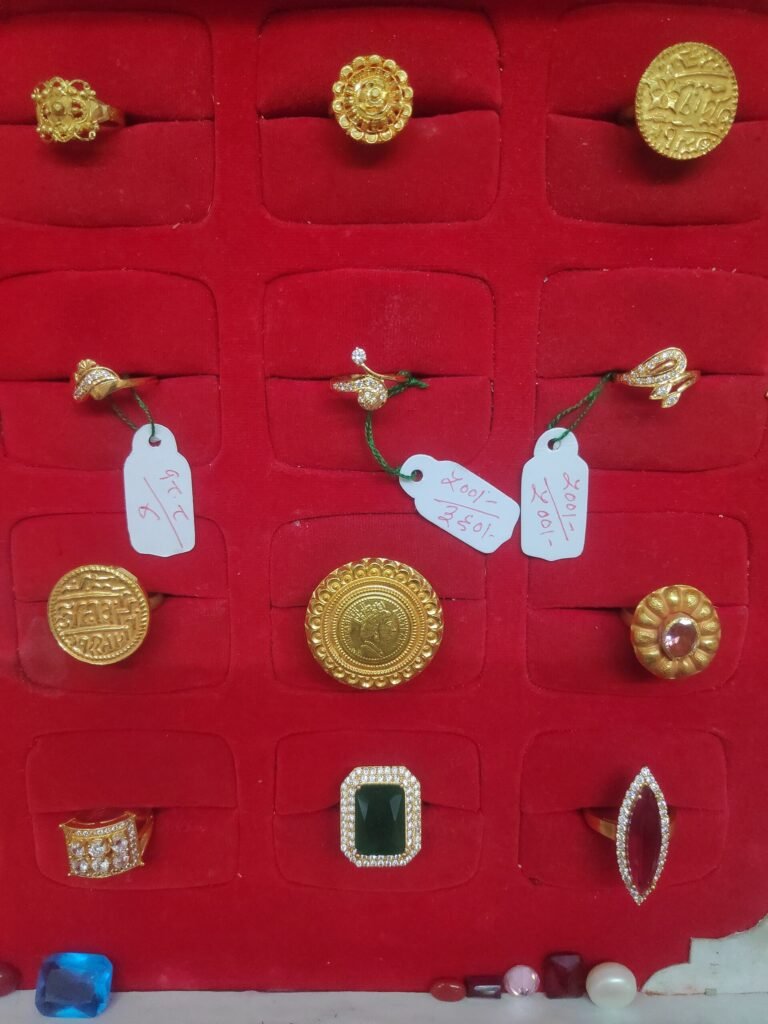
Gold prices in Pakistan turned higher on Tuesday, ending a three-day slide and giving buyers their first piece of good news since the sharp crash at the end of October. ARY News reported in its morning headlines that gold had rebounded, rising Rs2,400 per tola after three straight days of losses — a modest but notable recovery for a market that had been heading in only one direction.
The uptick arrives just three days after Saturday’s dramatic fall, when gold prices in Pakistan crashed Rs10,800 per tola in the sharpest single-day drop of the year, as we reported. That crash had wiped out weeks of gains in a single session and left jewellers and buyers waiting for the market to find its footing. Tuesday’s rebound is the first sign that it may be doing exactly that.
Gold rebounds after three-day slide
The recovery is being read across sarafa markets in Karachi, Lahore and Islamabad as a response to shifting international cues. According to ARY News, the per-tola rate moved up by Rs2,400, ending the losing streak that had followed Saturday’s historic fall. For households planning weddings and for investors who watched the value of their holdings slide last week, the direction of travel matters as much as the number.
Gold in Pakistan is priced off international benchmarks and converted through the rupee, so even a small firming in global bullion prices — or a softer dollar — can show up quickly in local sarafa rates. The rebound is not a full recovery: prices remain well below where they stood before Saturday’s crash, and the market is still digesting that shock.
Today’s per-tola rates: what the trackers show
Rate trackers updated through the morning with slightly different figures, because Pakistan’s sarafa associations publish their benchmarks at different times of day. The numbers below are each attributed to the tracker that published them — treat any single figure as the market at that moment, not a single national rate.
According to TechJuice’s market-open report, gold was trading at Rs406,330 per tola for 24K as trading began, with 10 grams at Rs348,368 and one gram at Rs34,836. TechX, publishing a fuller rate card later in the morning, put 24K gold at Rs411,200 per tola — up Rs1,200 from Monday’s close — with 22K at Rs377,033, 21K at Rs359,895 and 18K at Rs308,395 per tola. A morning update from the Sarafa association quoted 24K at Rs413,800 per tola, up Rs2,600 from Rs411,200 on Monday, with 10 grams at Rs354,773.
| Tracker (3 Nov 2026) | 24K per tola | Change vs Monday |
|---|---|---|
| TechJuice (market open) | Rs406,330 | Slight rise |
| TechX (morning card) | Rs411,200 | +Rs1,200 |
| Sarafa morning update | Rs413,800 | +Rs2,600 |
Jewellers add making charges on top of these benchmark rates, and retail prices can vary slightly between cities. The direction, though, is consistent across every tracker: gold is up.
Silver and the rupee stay quiet
Silver did not join the rally. TechJuice reported that silver slipped as the market opened, while TechX’s rate card held silver at Rs5,388 per tola with no change from the previous day. The divergence is a reminder that the two metals do not always move together — silver has its own industrial demand dynamics that can push it in the opposite direction from gold.
The currency market was equally calm. The US dollar traded at Rs277.55 in the open market, unchanged from the previous day, according to TechX. A steady rupee means Tuesday’s gold movement came from the metal itself rather than from a shift in the exchange rate.
Why gold is moving: the international cue
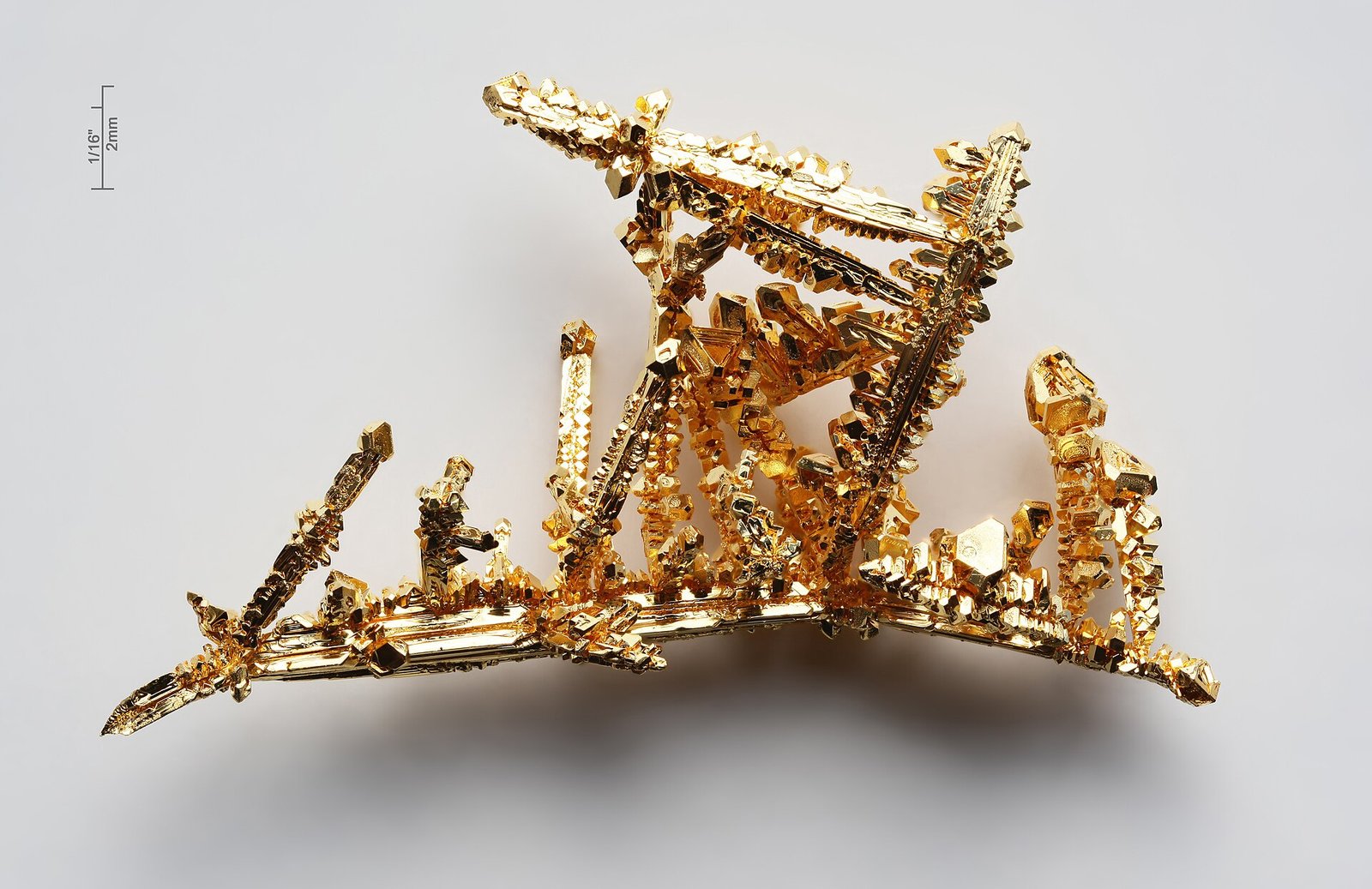
Gold’s global price has been volatile through October and into November, and Pakistan’s sarafa markets track it closely. The morning update pegged spot gold at $3,916.08 an ounce, down about 0.99 per cent from the previous close — yet local prices still firmed, showing that domestic supply-demand and dealer positioning can pull in their own direction on any given day.
The broader backdrop remains October’s historic crash. When gold fell Rs10,800 per tola on 31 October, it erased gains that had built up over weeks and reminded buyers that the metal’s record run carries real downside risk. Rebounds after crashes are normal — markets rarely fall in a straight line — but whether this one holds depends on where international bullion heads next and how the rupee behaves in the coming sessions.
What buyers should know
For buyers, the practical takeaways are simple. First, confirm the rate with your local sarafa market before buying, because trackers quote different benchmarks at different times of day and jewellers add making charges. Second, Tuesday’s rise is a rebound from a very sharp fall, not a new all-time high — prices are still recovering, not surging. And third, the wedding season is approaching, which traditionally lifts jewellery demand in Pakistan; combined with volatile international prices, that is a recipe for more swings in both directions.
Related Posts
 BusinessKia Sportage L HEV Gets Up to Rs800,000 Price Cut in Pakistan
 BusinessPetrol Price in Pakistan Cut: Rs374.51 Per Litre From 3 November — Diesel Down Rs7.76
 BusinessAdrian Hamilton-Manns Takes Charge as New PIA CEO
 BusinessUS-Backed $4.4 Billion LNG Project Proposed for Pakistan: Port Qasim Terminal and 1,100km Pipeline
 BusinessPakistan Inflation Falls to 9.61% in October 2026 — PBS Data Shows
 BusinessPakistan Takes Over G-24 Chairmanship, Vows Fairer Global Financial System for Developing Countries
Most Popular
 How-ToPTA Tax Calculator 2026: Check Mobile Tax on Any Phone398 views
 Pakistan NewsPIA Boeing 787 Lease Deal: What It Means for the Airline381 views
 SportsUEFA Champions League 2026-27: Format, Teams and Schedule374 views
 Canada JobsTech Jobs in Canada: Roles, Salaries, and Skills Needed355 views
 SportsBallon d’Or 2026: London Ceremony, Nominees and All-Time Records Ahead of 70th Anniversary336 views
 ShowbizWomen’s Fashion in Pakistan 2026: Trends, Brands and Style Guide333 views