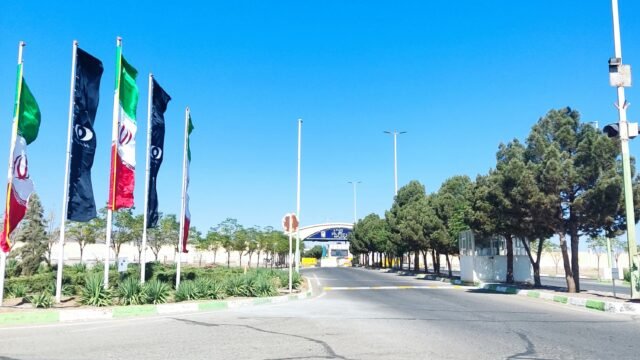
Islamabad will host the foreign ministers of ten countries next week, when the Economic Cooperation Organization holds its Council of Ministers meeting on 15 and 16 November 2026. Pakistan, which chairs the regional bloc for 2026–27, is finalising preparations for the gathering, and Iran’s Foreign Minister Abbas Araghchi is expected to attend.
Islamabad to host the region’s foreign ministers
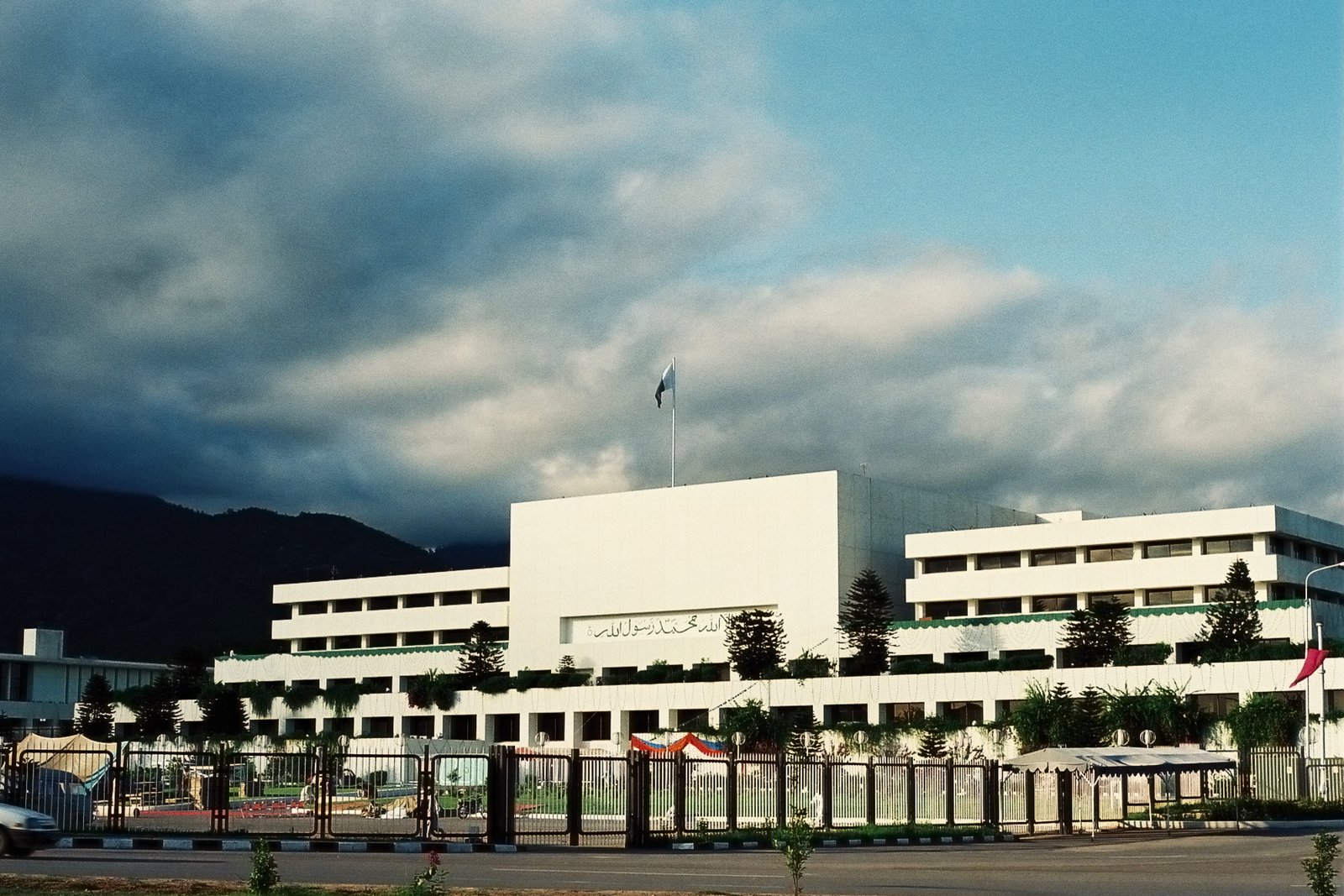
The two-day meeting brings the foreign ministers of the ten-member ECO to the Pakistani capital for the bloc’s main ministerial gathering of the year. Deputy Prime Minister and Foreign Minister Ishaq Dar chaired a meeting on Friday, 6 November, to finalise preparations for the event, according to Business Recorder.
The Council of Ministers is the ECO’s principal decision-making forum, and this session — the 30th meeting of the council — is the first to be held in Pakistan since the country took over the chairmanship for 2026–27. The meeting was confirmed in reports on 9 November, a week before the ministers are due to arrive.
For Islamabad, hosting the gathering is a chance to put its regional economic agenda in front of the foreign ministers of Central Asia, Türkiye, Iran, Azerbaijan and Afghanistan in a single room — something few other forums in the region can offer.
Why Araghchi’s visit is the one to watch

The attendance attracting the most attention is that of Iranian Foreign Minister Abbas Araghchi, who is expected to travel to Islamabad for the meeting. According to The Express Tribune, Araghchi is also expected to hold bilateral meetings with Prime Minister Shehbaz Sharif and Deputy Prime Minister and Foreign Minister Ishaq Dar during his visit.
Regional security and geopolitical tensions are expected to feature prominently in those conversations. The Diplomatic Insight reports that the evolving situation in the Middle East and its implications for regional stability, energy supplies and economic connectivity will be part of the discussions — a reminder that the ECO meeting is taking place against a tense regional backdrop, not in a vacuum.
For Pakistan, the Iranian foreign minister’s presence also carries a diplomatic signal of its own. Islamabad has long presented itself as a bridge between Tehran and the Gulf states, and a visit by Araghchi at a moment of regional strain underlines that role.
Trade, transport and energy on the agenda
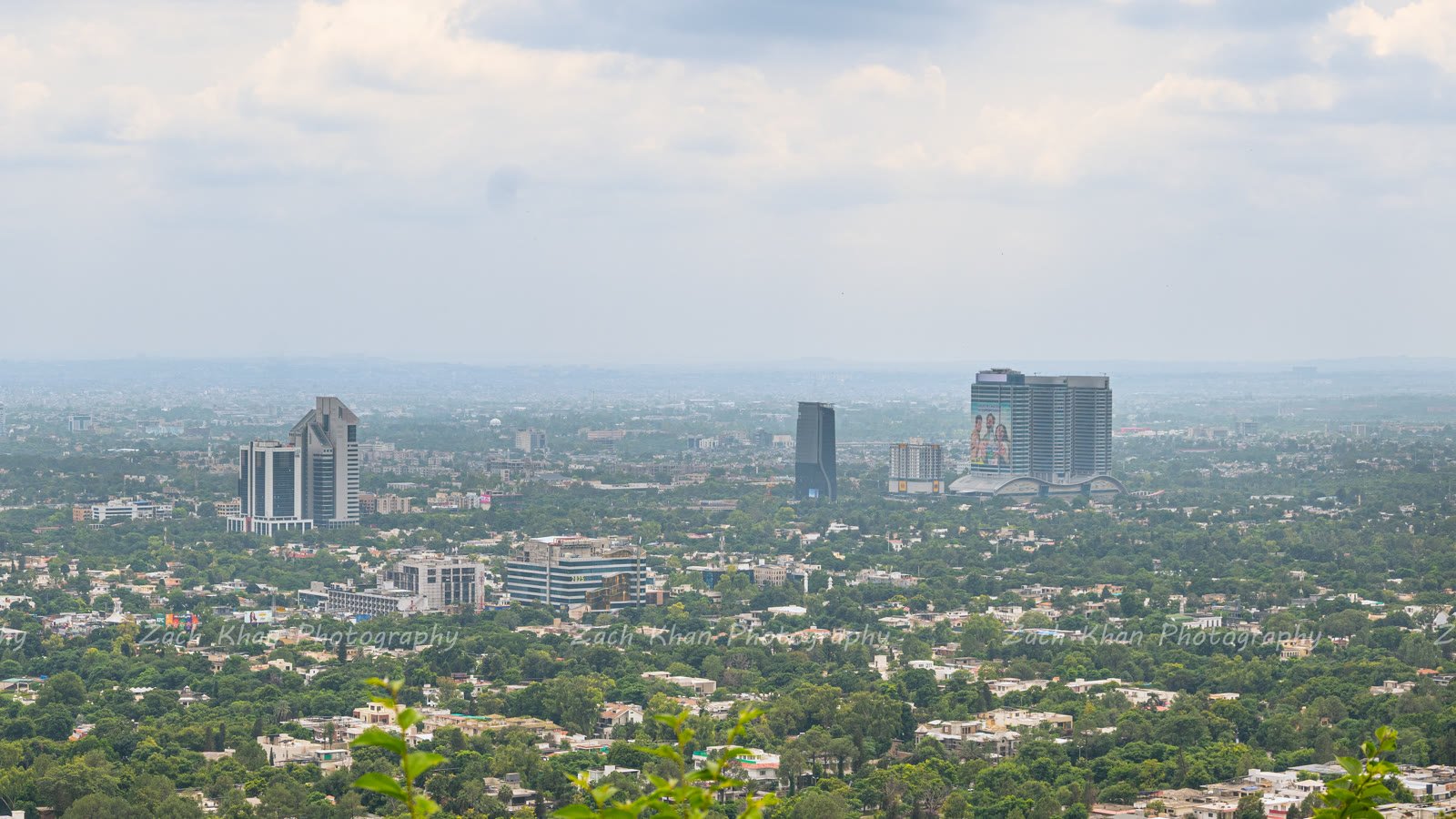
The meeting’s formal focus is economic cooperation, trade and connectivity — the areas the ECO was created to advance. Pakistan is expected to use its chairmanship to push its regional economic and connectivity priorities, including its ambition to serve as the gateway for landlocked Central Asian states to reach world markets through its seaports.
That ambition faces a practical test. The land route from Central Asia to Karachi and Gwadar runs through Afghanistan, and trade routes with Afghanistan are currently closed, with Pakistan–Afghanistan relations strained. The corridor Pakistan is offering the ECO is, for now, the same corridor its own exporters cannot use — a contradiction the Islamabad meeting will have to confront if its trade agenda is to mean anything.
The gathering also follows the postponement of an ECO interior ministers’ meeting that had been scheduled for late October, a further sign of how regional circumstances are constraining the bloc’s work.
What ECO is — and what to expect from Islamabad

The Economic Cooperation Organization was founded in 1985 by Pakistan, Iran and Türkiye to promote cooperation in trade, transport, energy and investment. It has since grown to ten members, adding Azerbaijan, Afghanistan, Kazakhstan, Kyrgyzstan, Tajikistan, Turkmenistan and Uzbekistan.
The council’s 29th meeting was held virtually on 28 November 2025. At that session, Lahore was designated the ECO Tourism Capital for 2027, and Pakistan invited member states to attend the 30th meeting in Pakistan — the meeting now scheduled for 15 and 16 November in Islamabad.
What the meeting will actually produce remains open. No formal agenda has been published, no deliverable has been announced in advance, and it has not been confirmed whether Afghanistan will be represented. The test for Islamabad will be whether a gathering of ten foreign ministers can move the bloc’s connectivity agenda from declarations to decisions — or whether, as in the past, the meeting ends with statements rather than agreements.
Sources and related reading
Sources: The Diplomatic Insight and The Pakistan Daily, both citing The Express Tribune; Business Recorder on the preparations meeting; the Foreign Office on the 29th Council of Ministers meeting. Related reading on urdupro.info: Pakistan’s regional economic diplomacy and the SCO forum invitation from New Delhi. See also: Pak–China Mineral Cooperation Forum.
Related Posts
 World NewsJapan Earthquake 5.7 Hits Central Japan, Over 20 Injured as Aftershock Warning Issued
 World NewsUS Offers $20 Million Reward for Secrets of Iran’s Nuclear Programme
 World NewsAramco Building Riyadh Attack: Missile Debris Damages Tower, No Casualties
 World NewsIndia Invites Pakistan to SCO Forum in New Delhi — Decision Awaited
 World NewsKarl Bushby Completes 28-Year Walk Around the World
 World NewsTürkiye Ratifies Makkah Defence Pact With Pakistan and Saudi Arabia — Attack on One Now Means Attack on All
Most Popular
 How-ToPTA Tax Calculator 2026: Check Mobile Tax on Any Phone419 views
 Pakistan NewsPIA Boeing 787 Lease Deal: What It Means for the Airline392 views
 Canada JobsTech Jobs in Canada: Roles, Salaries, and Skills Needed389 views
 SportsUEFA Champions League 2026-27: Format, Teams and Schedule386 views
 TechnologyPM Shehbaz Sets November Deadline for Alibaba AI and Digitalisation Projects in Pakistan367 views
 ShowbizWomen’s Fashion in Pakistan 2026: Trends, Brands and Style Guide362 views