The Drug Regulatory Authority of Pakistan has taken licensing and registration for health and over-the-counter products online. The new DRAP online licensing system, announced on 22 November, lets makers and importers of herbal medicines, vitamins, food supplements and homoeopathic products apply for licences and register their products electronically instead of filing paper applications. It is the latest step in the regulator’s push to run its work digitally — and it comes with firm deadlines that every firm in the sector now has to meet.
The system covers the Health and Over-the-Counter (HOTC) Division of DRAP and works under the Alternative Medicines and Health Products Rules, 2026, notified through S.R.O. 2117(I)/2026 on 16 November 2026. The rules replace the old enlistment system that has governed these products since 2014, and they came into force immediately. For the thousands of small and mid-sized firms that make or import supplements and traditional medicines, the message from the regulator is simple: the old paperwork route is gone, and the clock is already running.
What the new DRAP online licensing system does

The DRAP online licensing portal is now live on the authority’s website, and stakeholders can submit applications for licensing and product registration electronically. DRAP has also updated its online fee portal to match the revised fee structure under the new rules. Firms must now generate and use revised fee challans for their applications, and anyone who already deposited fees under the previous structure has to pay the differential amount through the online fee portal wherever it applies.
The regulator has advised pharmaceutical manufacturers, chemists, druggists and nutraceutical manufacturers to follow the new requirements, the online application procedures and the revised fee structure to avoid delays in processing their cases. The initiative is part of DRAP’s broader digital transformation, aimed at improving transparency, efficiency and access to regulatory services.
The change matters to every maker and importer of herbal medicines, unani and traditional Chinese medicines, homoeopathic medicines, nutraceuticals, food supplements and special medical foods. These are products that sit in almost every Pakistani home — the vitamin bottle in the kitchen, the herbal syrup for a cough, the food supplement a doctor recommends. Until now they were handled under a provisional enlistment system from 2014. That system is repealed. In its place, every firm needs a licence and every product needs its own registration certificate.
Six months for a licence, 18 months for every product
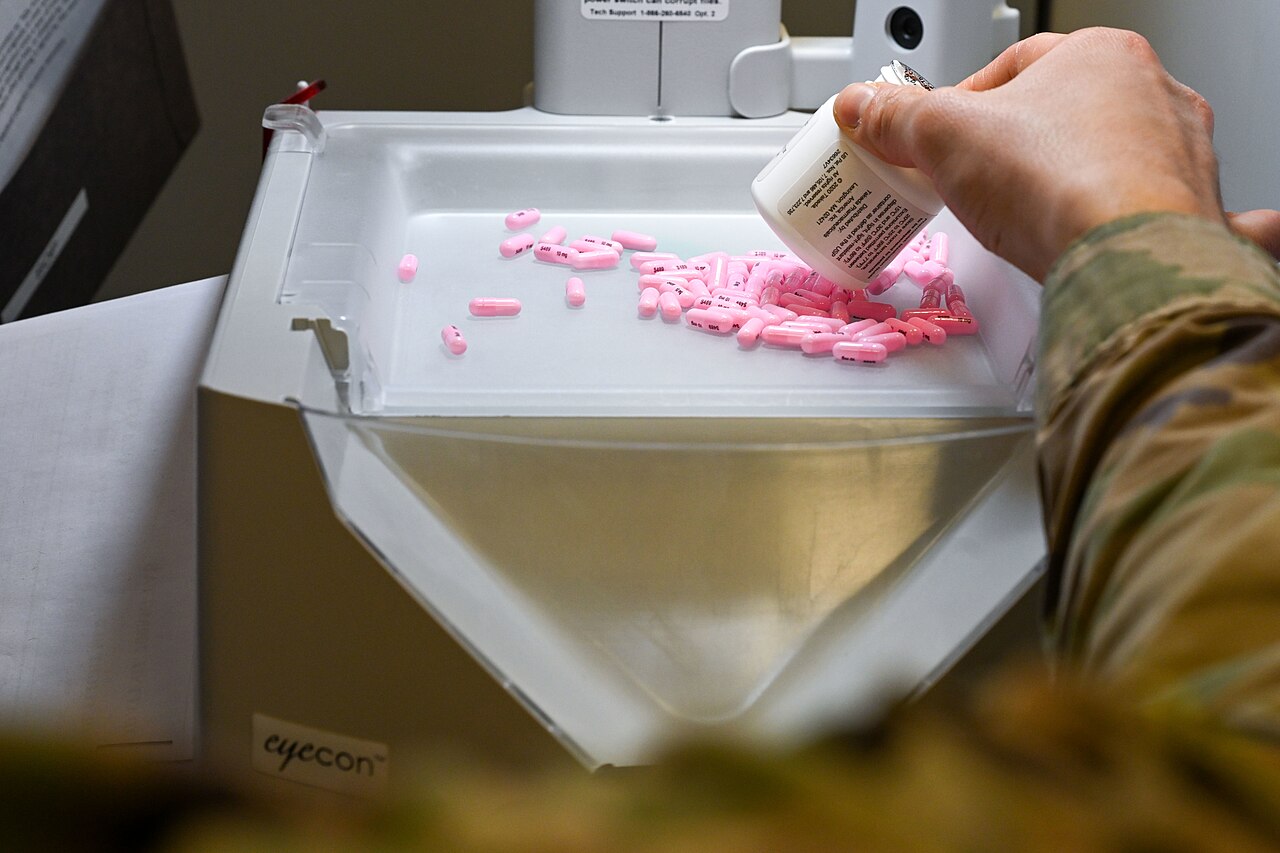
The deadlines are the part firms cannot afford to miss. Companies holding provisional enlistment under the 2014 rules must apply for a licence within six months of the rules being notified — about 16 May 2027 — and register each product within eighteen months, about 16 May 2028. A provisional enlistment certificate stays valid until the new board decides on a fresh application, but only if the firm applies inside those windows. Miss the window and the protection of the old certificate is lost.
The rules set out four types of licence: making bulk extracts, mother tinctures and isolates; making finished products by formulation; importing finished products; and making products for experiments and clinical trials. Each set of premises needs its own licence. A new factory first applies for site suitability, then for approval of its layout plan, and only after building and installing machinery applies for the licence itself. Licences and product registrations are valid for five years and renewable for five years at a time, and a firm can appeal a board decision to DRAP’s Appellate Board within sixty days.
A new Alternative Medicines and Health Products Board will grant, renew, suspend and cancel licences and registrations. It is chaired by the director of DRAP’s Health and OTC Products division, with the chiefs of the drug control and traditional medicine division and the nutrition division of the National Institute of Health among its members. The board structure is meant to give the sector a single decision-making body instead of the scattered arrangements that grew up under enlistment.
What changes on the label — and what buyers should check
Buyers will see the change on the packet. Under the new rules, labels must state the product name, active ingredients with quantities and scientific names, dosage form, directions, warnings, batch number, manufacturing and expiry dates, maximum retail price, storage conditions, and the maker or importer — along with the licence number and registration number. An alternative medicine must carry the words “Alternative Medicine” with its type, such as herbal, ayurvedic, homoeopathic or biochemic, in bold at the top. A health product or nutraceutical must carry the line “Health Product/Nutraceutical Not for The Treatment of Any Disease” in bold. Products for animals must say “FOR VETERINARY USE ONLY” and products for the skin “FOR EXTERNAL USE ONLY”.
The labelling change is part of a wider digital clean-up at the regulator. Federal Health Minister Mustafa Kamal told industry members in Karachi on Saturday that more than 86,000 medicines produced by pharmaceutical companies have now been registered under the Track and Trace System, which lets consumers scan a product by mobile phone to check whether it is genuine and what it should cost. He said companies can now register medicines online and that a process which once took years is completed within 21 days, and that more than 5,000 cases have been processed in the eight months since certification procedures moved online. DRAP has also launched a medicine verification app, which goes live on 24 November and lets buyers scan a barcode to check if a medicine is real.
The minister also warned that medicine pricing “requires serious attention”. Pharmaceutical companies are seeking increases in medicine prices, and he said the matter is under consideration — a decision that will directly affect what households pay at the pharmacy. For now, the practical advice for buyers is straightforward: check that a herbal or supplement product names its maker and shows a licence and registration number, and buy only from licensed shops. Fake or unregistered products can be reported to DRAP, and with the new system in place, the regulator will have a far clearer picture of exactly which products — and which firms — are on the market.
Related Posts
 TechnologyTikTok Launches Likeness Detection and a Free AI Checker to Catch Deepfakes
 TechnologyPTA Finds Pace Telecom and Falcon Broadband Short of Broadband Standards in Q3 Survey
 TechnologyGoogle Removes Its Iconic ‘Google Search’ Button After 28 Years — Gemini Takes Its Place on the Homepage
 TechnologyEU Proposes 3% Digital Tax on Big Tech to Fund €1.58 Trillion Budget
 TechnologyPunjab Brings Facial Recognition to Board Exam Marking as Answer Sheets Go Digital
 TechnologyPakistan Makes PTA Approval and Interior NOC Compulsory for Camera Smart Glasses Imports
Most Popular
 How-ToPTA Tax Calculator 2026: Check Mobile Tax on Any Phone421 views
 Pakistan NewsPIA Boeing 787 Lease Deal: What It Means for the Airline396 views
 Canada JobsTech Jobs in Canada: Roles, Salaries, and Skills Needed393 views
 SportsUEFA Champions League 2026-27: Format, Teams and Schedule390 views
 TechnologyPM Shehbaz Sets November Deadline for Alibaba AI and Digitalisation Projects in Pakistan370 views
 ShowbizWomen’s Fashion in Pakistan 2026: Trends, Brands and Style Guide366 views