Punjab Brings Facial Recognition to Board Exam Marking as Answer Sheets Go Digital
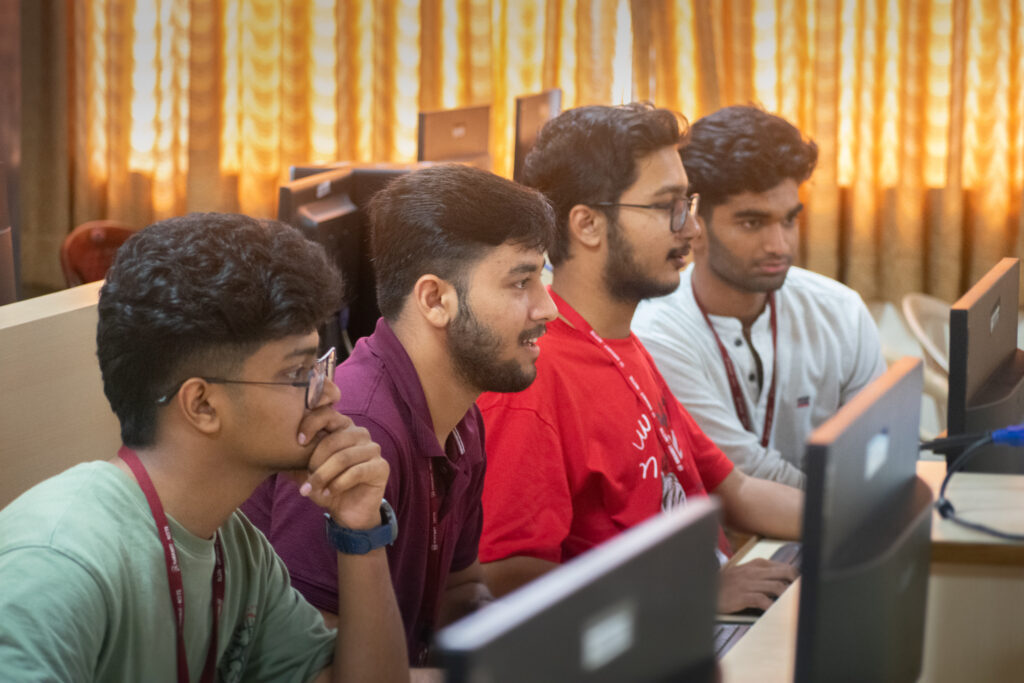
Punjab has taken one of the biggest steps yet towards digitising its examination system. The provincial education department has introduced a digital On-Screen Marking system for board examinations, under which students’ answer sheets will be scanned and checked online — and no examiner will be able to touch a paper until a camera has confirmed their face.
Provincial Education Minister Rana Sikandar Hayat announced the system and shared a live demonstration of how it works, using the setup of the Board of Intermediate and Secondary Education (BISE) Bahawalpur. The move is aimed at cutting marking errors, making the checking process transparent, and closing the loopholes that have long surrounded who actually marks an examination paper.
How the new system works
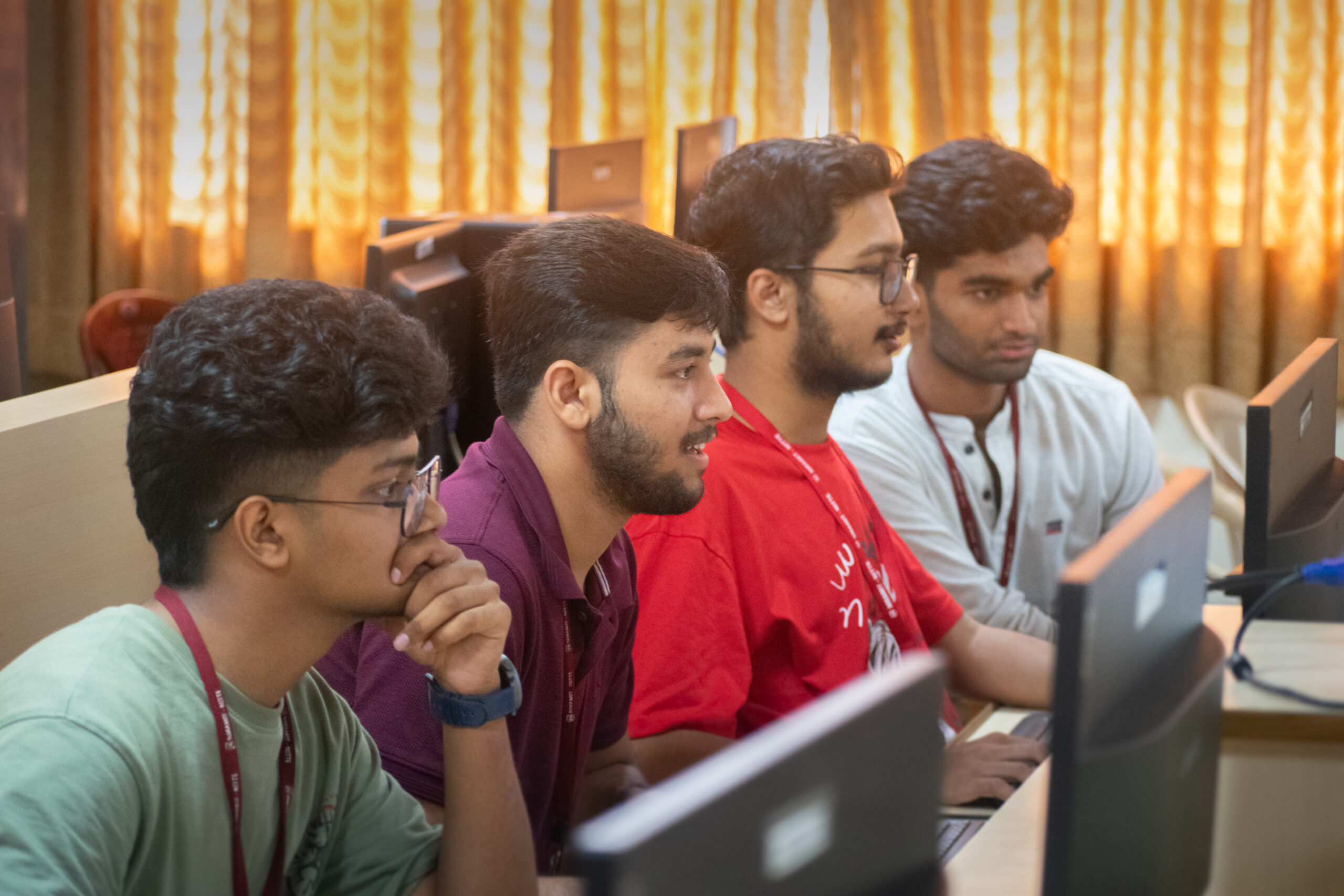
Under the new model, the familiar bundles of answer books will no longer travel to marking centres. Instead, completed answer sheets will be fed through high-speed scanners and converted into secure digital records. Examiners will then assess the scanned scripts through a controlled online platform, with a dashboard that updates in real time as marking progresses.
The demonstration showed the process in action: a batch of answer sheets went into the scanner, and the pages appeared on the dashboard moments later, ready for on-screen marking. The idea is simple — replace the physical handling of papers with a digital trail that can be tracked, monitored and audited at every step.
A face check before a single paper is marked
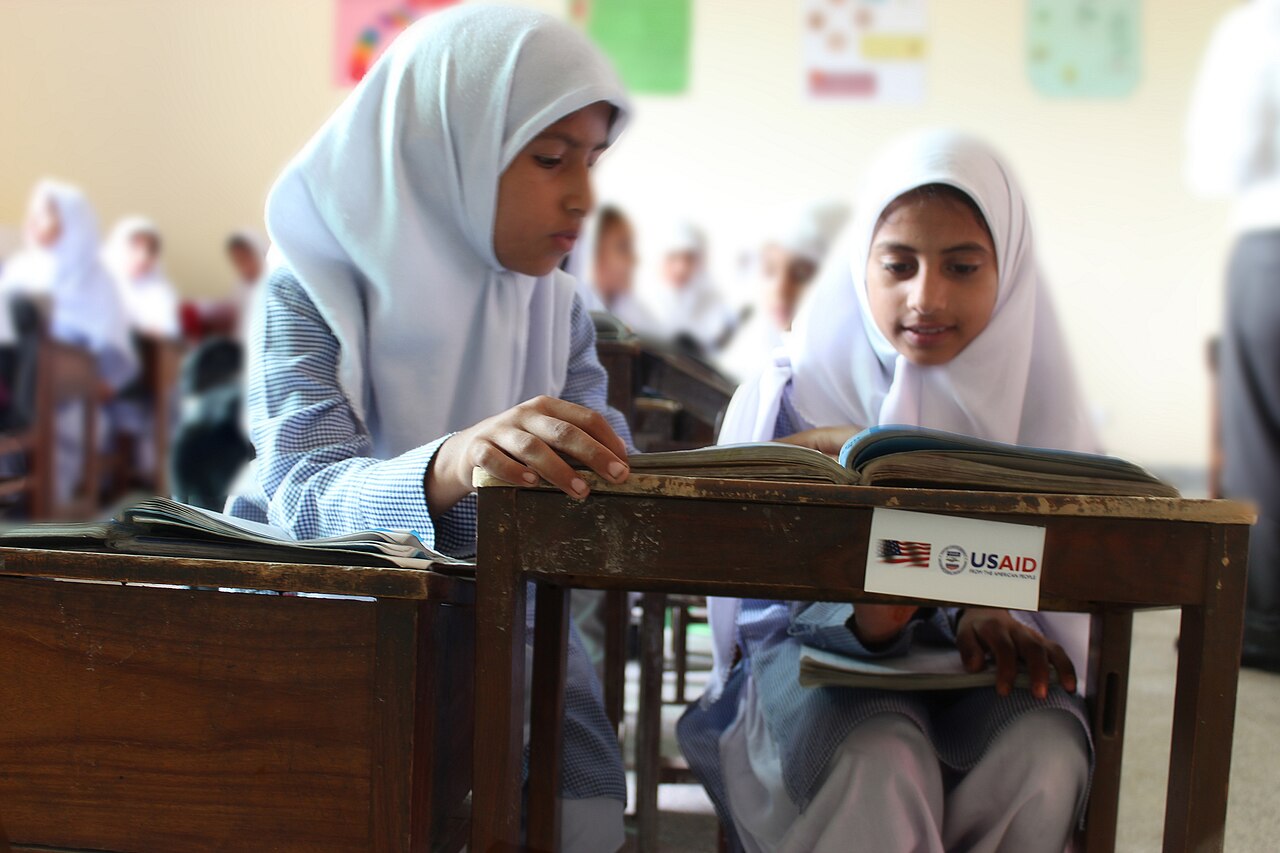
The most striking feature of the system is its identity check. Before an examiner can begin marking, they must confirm their identity through facial recognition. The system allows the examiner to proceed only when a single matching face is detected in front of the camera. If two faces appear at the same time, access is locked.
The safeguard is designed to solve a problem that has quietly persisted in the examination system for years: making sure the examiner assigned to a script is the actual person evaluating it. It also makes it far harder for an examiner to share login credentials or let someone else do the marking on their behalf.
Why Punjab is making the change now
Board examinations in Punjab involve hundreds of thousands of students, and the checking stage has long been one of the least visible parts of the process. Papers move in bundles, marking happens behind closed doors, and students usually have no way of knowing how — or by whom — their answers were assessed. Errors in totalling, missed questions and inconsistent marking have been recurring complaints.
On-screen marking addresses those complaints directly. Because every script is scanned and assigned electronically, the board can see which examiner marked which paper, how long it took, and whether the marking followed the set pattern. Real-time monitoring and AI-assisted features in the system are expected to help spot mistakes early, before results are compiled.
Part of a wider digital shift
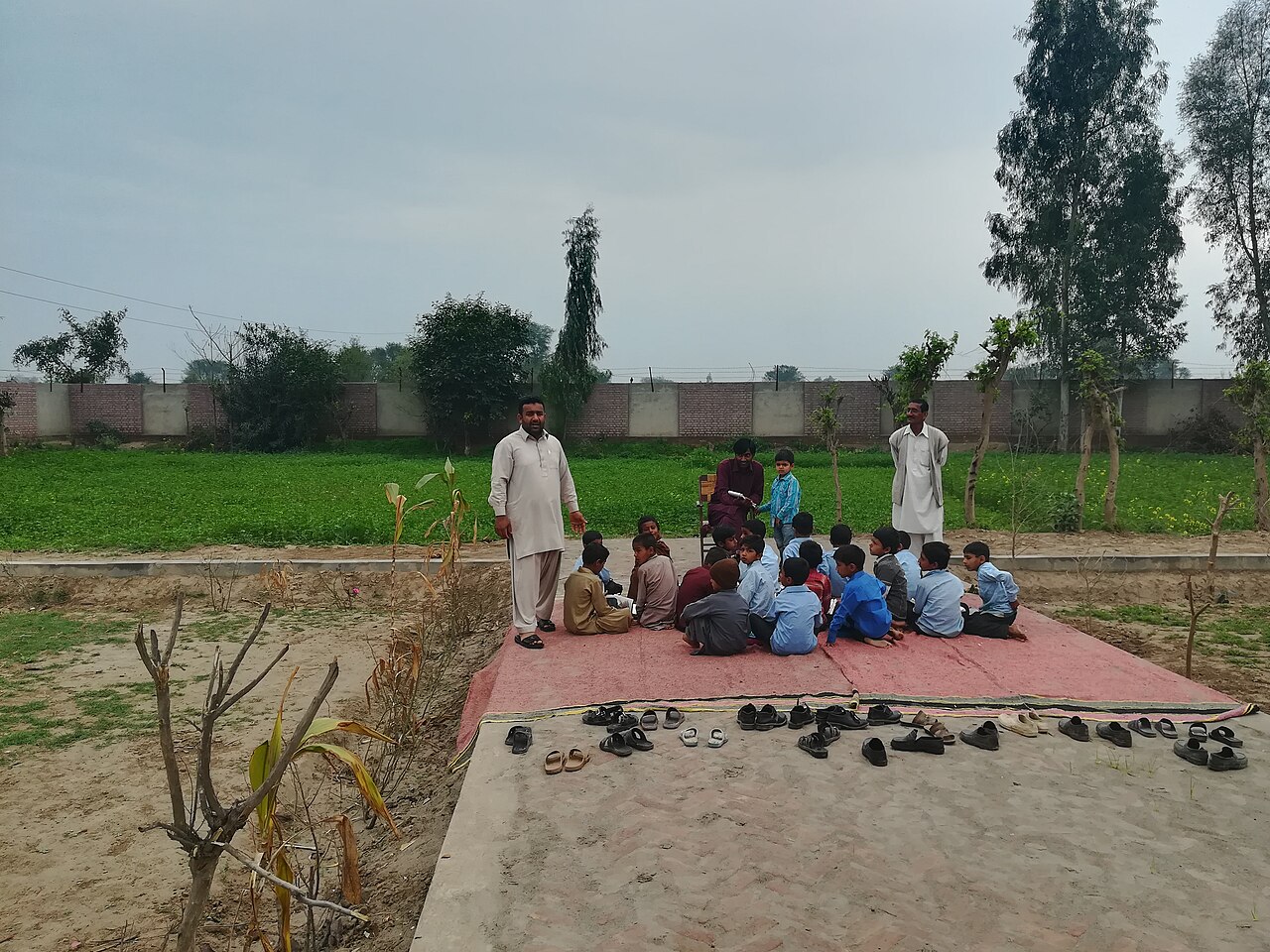
The marking reform does not stand alone. Earlier this month, the chairpersons of Punjab’s nine educational boards decided that examinations for four science subjects will be conducted on e-sheets next year, and the subjects in which on-screen marking will be applied for matriculation and intermediate examinations have now been finalised.
The reform was first directed on a pilot basis for supplementary examinations, giving the boards a smaller volume of papers to test the system before scaling it up to the main annual examinations. The Lahore board has already made biometric thumb impressions mandatory for Class IX and XI candidates during registration, as part of the same push towards digital verification.
The shift is also visible lower down the school system. Class 8 students will sit examinations in four major subjects on e-sheets, with their scripts checked through online screen marking, while Grade 5 pupils will go through a holistic assessment instead of a conventional examination.
What students and parents should watch
For students, the change should mean fairer and more consistent marking — and, just as importantly, a result they can trust a little more. For parents, the message is that the province is finally putting technology between the answer sheet and the person marking it.
What remains to be seen is how smoothly the system works at full scale. A pilot with supplementary examinations is one thing; the annual matriculation and intermediate examinations, with their far larger volume of papers, are another. The boards will need to prove that scanners, dashboards and facial-recognition checks can all hold up under that load — and that examiners across the province are trained and ready before the first full rollout.
For now, though, the direction is clear: Punjab’s board examinations are going digital, and the examiner’s face is now part of the process.
Sources: Around.pk; TechJuice.
Related Posts
 TechnologyPakistan Makes PTA Approval and Interior NOC Compulsory for Camera Smart Glasses Imports
 TechnologyPSW and Alibaba.com Launch Trade Data Check for Pakistani Exporters
 TechnologyCodeNinja and Paranine Launch Sovereign AI Operating Systems in Pakistan
 Technology“123456” Still the World’s Most Common Password in 2026, NordPass Report Finds
 TechnologyPlay GTA 6 and Earn $135,000: Kalshi Is Hiring a “GTA 6 Researcher” to Study Leonida’s Economy
 TechnologyParis Hilton and AOC Urge US House to Pass DEFIANCE Act on Deepfakes
Most Popular
 How-ToPTA Tax Calculator 2026: Check Mobile Tax on Any Phone421 views
 Pakistan NewsPIA Boeing 787 Lease Deal: What It Means for the Airline396 views
 Canada JobsTech Jobs in Canada: Roles, Salaries, and Skills Needed393 views
 SportsUEFA Champions League 2026-27: Format, Teams and Schedule390 views
 TechnologyPM Shehbaz Sets November Deadline for Alibaba AI and Digitalisation Projects in Pakistan370 views
 ShowbizWomen’s Fashion in Pakistan 2026: Trends, Brands and Style Guide366 views