Chief Justice of Pakistan 2026: Role and Powers
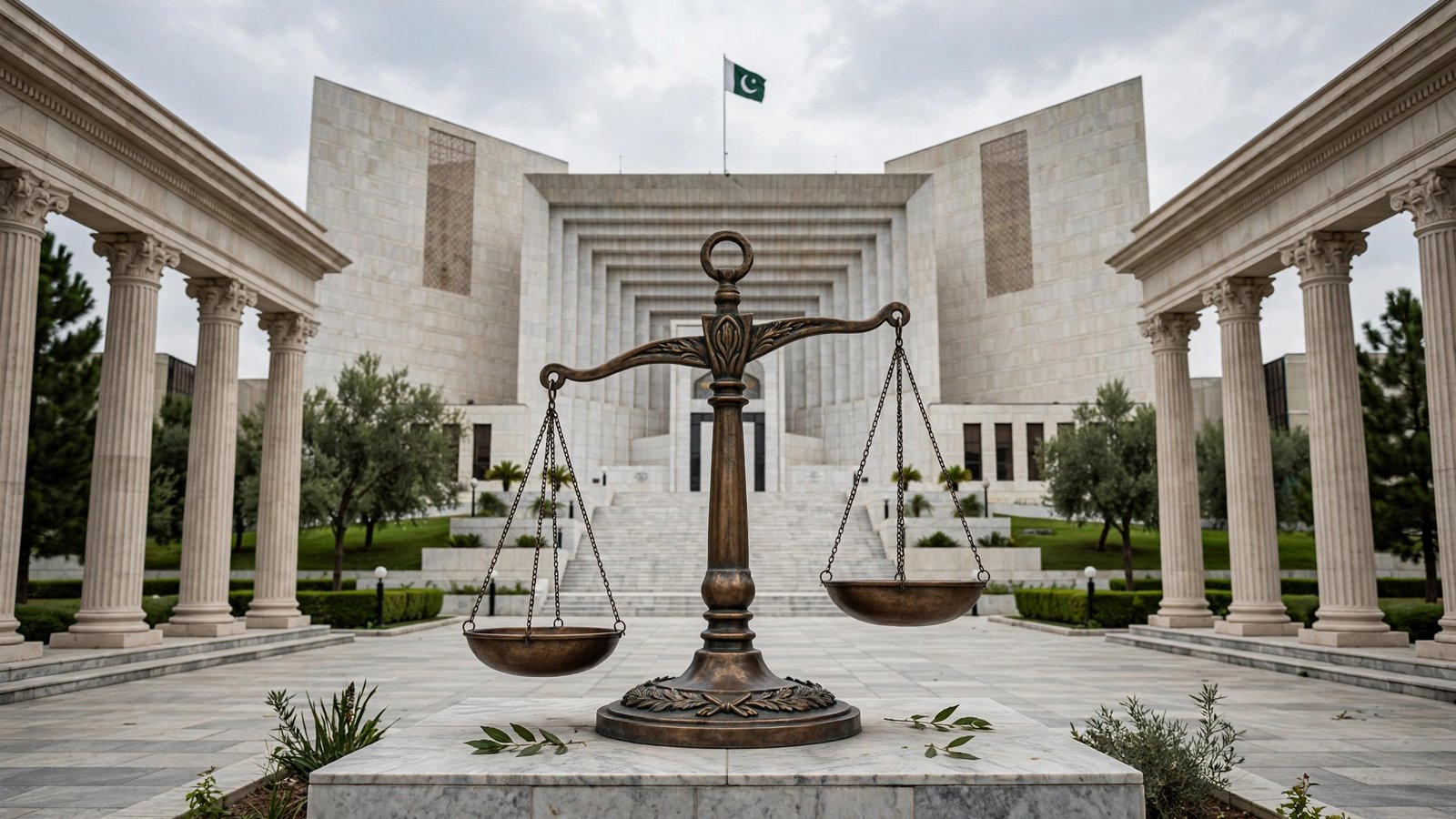
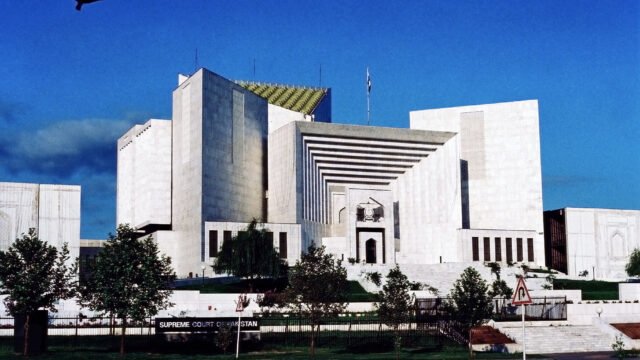
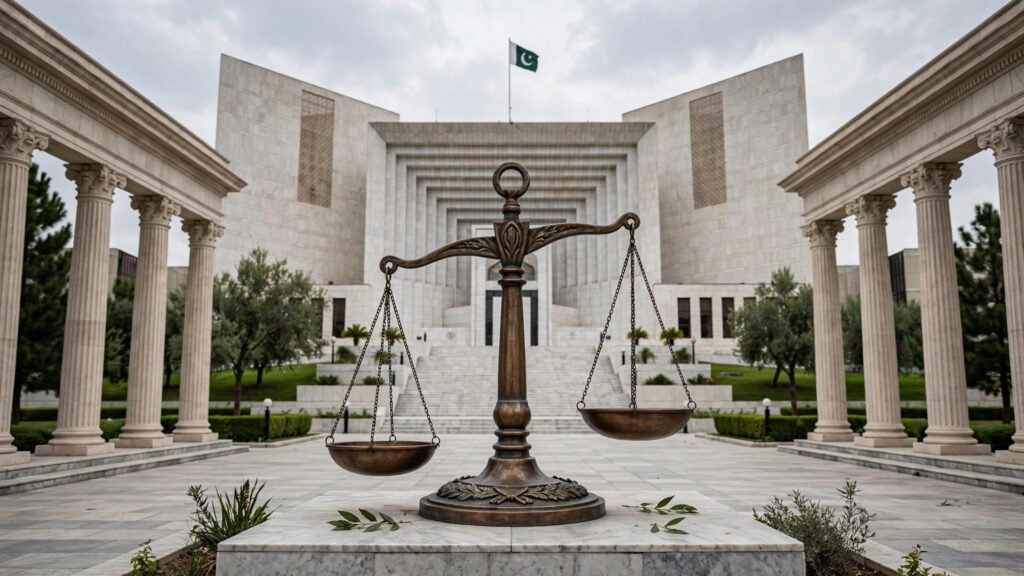
The Chief Justice Pakistan heads the country’s superior judiciary and presides over the Supreme Court of Pakistan. As of 15 October 2026, the office is held by Justice Yahya Afridi, the 30th Chief Justice Pakistan, who took the oath on 26 October 2024. This guide explains the role, appointment process, term and powers of the office.
Justice Yahya Afridi: The Incumbent Chief Justice Pakistan
Justice Yahya Afridi was born on 23 January 1965 in Dera Ismail Khan, Khyber Pakhtunkhwa. He was educated at Aitchison College and Government College Lahore, earned a master’s degree in economics from the University of the Punjab, and completed an LLM at Jesus College, Cambridge, on a Commonwealth Scholarship. He began practice as a High Court lawyer in 1991 and as a Supreme Court lawyer in 2004.
Afridi was appointed a judge of the Peshawar High Court in 2010 and became its chief justice in 2016 — the first judge from the former tribal areas to reach that position. He was elevated to the Supreme Court in June 2018. His appointment as the 30th Chief Justice Pakistan followed the 26th Constitutional Amendment (2024), under which a 12-member parliamentary committee selects the chief justice from among the three most senior Supreme Court judges, rather than automatic elevation of the senior-most judge. He serves a three-year term ending in October 2027.
Appointment and Term
The Chief Justice Pakistan is appointed by the president on the prime minister’s advice, following the nomination procedure in Articles 175A, 177 and 179 of the Constitution. Before the 26th Amendment, the senior-most Supreme Court judge was automatically elevated; since October 2024, the special parliamentary committee nominates one of the three senior-most judges, the prime minister forwards the name, and the president appoints. The oath of office is administered by the president.
The Chief Justice Pakistan retires at the age of 65, or earlier if the three-year term fixed by the 26th Amendment concludes first. This fixed tenure, a reform intended to give the judiciary predictable leadership, means Justice Afridi’s term runs from 26 October 2024 to 26 October 2027.
Powers and Functions
The Chief Justice Pakistan is the administrative head of the Supreme Court: he constitutes benches, fixes the cause list, heads the Judicial Commission of Pakistan for the appointment of superior judges, and represents the judiciary in its relations with the executive and Parliament. He administers the oath to the President of Pakistan and presides over the court’s full-court references and judicial conferences.
As the senior judge of the apex court, the Chief Justice Pakistan presides over benches deciding constitutional petitions, appeals and advisory matters referred by the president. At the opening of the New Judicial Year 2026–27, Justice Afridi committed the court to quicker justice, better case management and institutional reform — including the fixation of 40 per cent of old cases and structured bench allocation for time-sensitive matters. Readers should note that constitutional reforms are continuing into late 2026, and the structure of the higher judiciary should be confirmed against the latest amendments before relying on it for legal purposes.
Role in the Constitutional System
The Supreme Court under the Chief Justice of Pakistan is the final interpreter of the Constitution. It decides disputes between the federation and the provinces, enforces fundamental rights, and hears appeals from the five high courts. The chief justice also chairs the Supreme Judicial Council, which inquires into the conduct of superior judges, safeguarding judicial accountability.
The office carries immense public trust. Judicial appointments, case allocation and the court’s administrative rules all flow from the chief justice’s office, making the incumbent’s approach to case management a matter of national importance. Pakistan’s judiciary, like its Parliament, is an institution in evolution, and the current chief justice’s tenure will be judged on the court’s efficiency, independence and accessibility to ordinary litigants.
Related Guides
Read our related explainers: President of Pakistan 2026: Role, Powers and Election and Senate of Pakistan 2026: Sessions and Key Legislation.
External References
See a profile of Justice Yahya Afridi, Chief Justice of the Supreme Court of Pakistan, and coverage of the CJP’s address at the New Judicial Year 2026–27.
Frequently Asked Questions
Who is the Chief Justice of Pakistan in 2026?
Justice Yahya Afridi is the 30th Chief Justice of Pakistan, serving since 26 October 2024 with a three-year term ending in October 2027.
How is the Chief Justice of Pakistan appointed?
Since the 26th Amendment (2024), a 12-member parliamentary committee nominates one of the three senior-most Supreme Court judges; the prime minister forwards the name and the president appoints.
How long does the Chief Justice serve?
The Chief Justice serves a fixed three-year term or until retirement at age 65, whichever is earlier.
Who administers the oath to the President of Pakistan?
The Chief Justice of Pakistan administers the oath of office to the newly elected president.
What is the Judicial Commission of Pakistan?
It is the body that nominates judges for the superior judiciary, headed by the Chief Justice of Pakistan.
Chief Justice of Pakistan: Powers, Appointment and FAQs
The chief justice pakistan office heads the country’s judiciary and plays a pivotal role in constitutional interpretation. Understanding the chief justice of pakistan 2026 incumbent, the appointment process, and the court’s powers helps citizens follow landmark cases.
Who is the Chief Justice of Pakistan in 2026?
The chief justice of pakistan 2026 leads the Supreme Court’s benches and represents the judiciary in state functions. The office commands immense public attention, as the court’s rulings on constitutional and political matters shape national life.
What powers does the Chief Justice hold?
Chief justice pakistan powers include constituting benches, heading the Supreme Judicial Council, and overseeing the court’s administrative affairs. Under recent constitutional amendments, suo motu powers are exercised through committees rather than unilaterally, a significant procedural reform.
How is the Chief Justice appointed?
How chief justice appointed pakistan works: a parliamentary committee process under the 26th Amendment selects from among the three most senior Supreme Court judges, replacing the old automatic seniority rule. The change was among the most debated judicial reforms in recent years.
Who were notable past Chief Justices?
The supreme court pakistan chief justice list includes towering figures such as Justice Cornelius, Justice Hamoodur Rahman, and more recent incumbents who presided over historic political cases. Each tenure reflects the evolving balance between the judiciary, parliament, and executive.
Related Posts
 Pakistan NewsSupreme Court Acquits Two Brothers in Blasphemy Case After 20 Years on Death Row
 Pakistan NewsMilitant Attacks in Pakistan Jump to 49 in a Week as Violence Surges Again, PICSS Reports
 Pakistan NewsSanam Javed Files for Khula From Husband Atiq Riaz, Lahore Family Court Issues Notice for November 25
 Pakistan NewsKP to Launch Five Mobile Drug Testing Labs Next Week — Fake Medicines Checked on the Spot
 Pakistan NewsBy-Elections Today: Polling Under Way in NA-77 Gujranwala and PP-203 Sahiwal
 Pakistan NewsPeshawar High Court Removes Petitions Against KP Emergency From Cause List After Constitutional Court Ruling
Most Popular
 How-ToPTA Tax Calculator 2026: Check Mobile Tax on Any Phone419 views
 Pakistan NewsPIA Boeing 787 Lease Deal: What It Means for the Airline392 views
 Canada JobsTech Jobs in Canada: Roles, Salaries, and Skills Needed389 views
 SportsUEFA Champions League 2026-27: Format, Teams and Schedule386 views
 TechnologyPM Shehbaz Sets November Deadline for Alibaba AI and Digitalisation Projects in Pakistan367 views
 ShowbizWomen’s Fashion in Pakistan 2026: Trends, Brands and Style Guide361 views