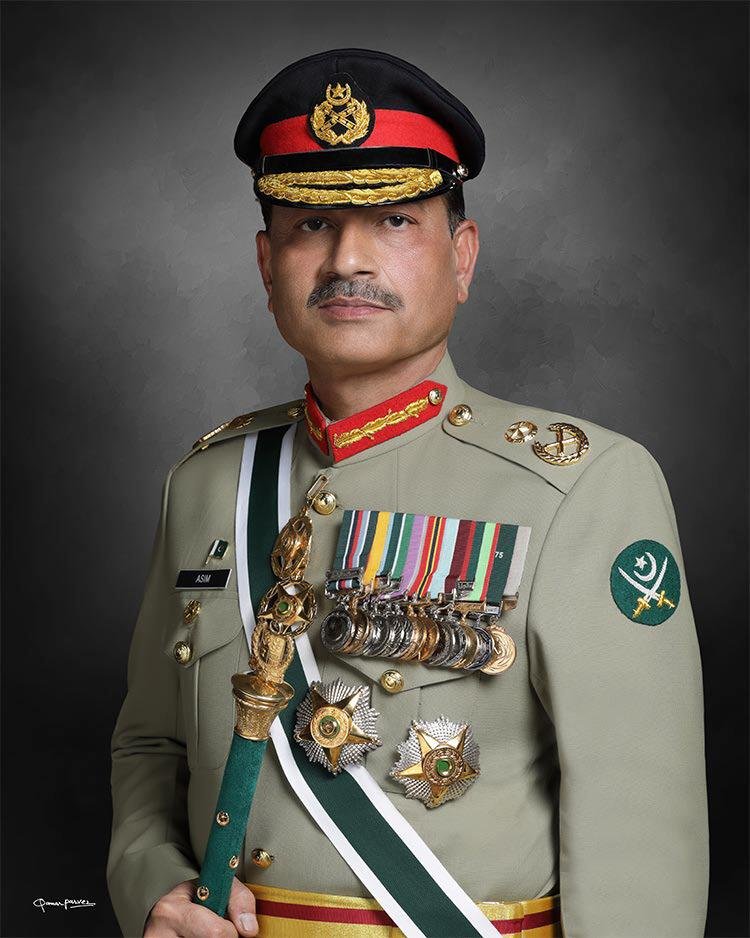
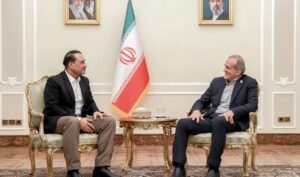
Pakistan’s army chief, Field Marshal Asim Munir, is due to visit Tehran today, Tuesday, for talks with Iranian officials — a high-profile trip that underlines Pakistan’s growing mediation role in one of the region’s most delicate diplomatic tracks. The Asim Munir Tehran visit was confirmed by a Pakistani official and Iranian media, and reported internationally by Reuters on Monday.
According to the Reuters report, the visit follows earlier rounds of talks between Munir and Iranian leaders over the summer that focused on measures to prevent further escalation, the reopening of the Strait of Hormuz, and an expedited end to outstanding disputes. Pakistan has played a central mediating role between the United States and Iran throughout this year.
What the Asim Munir Tehran visit is about
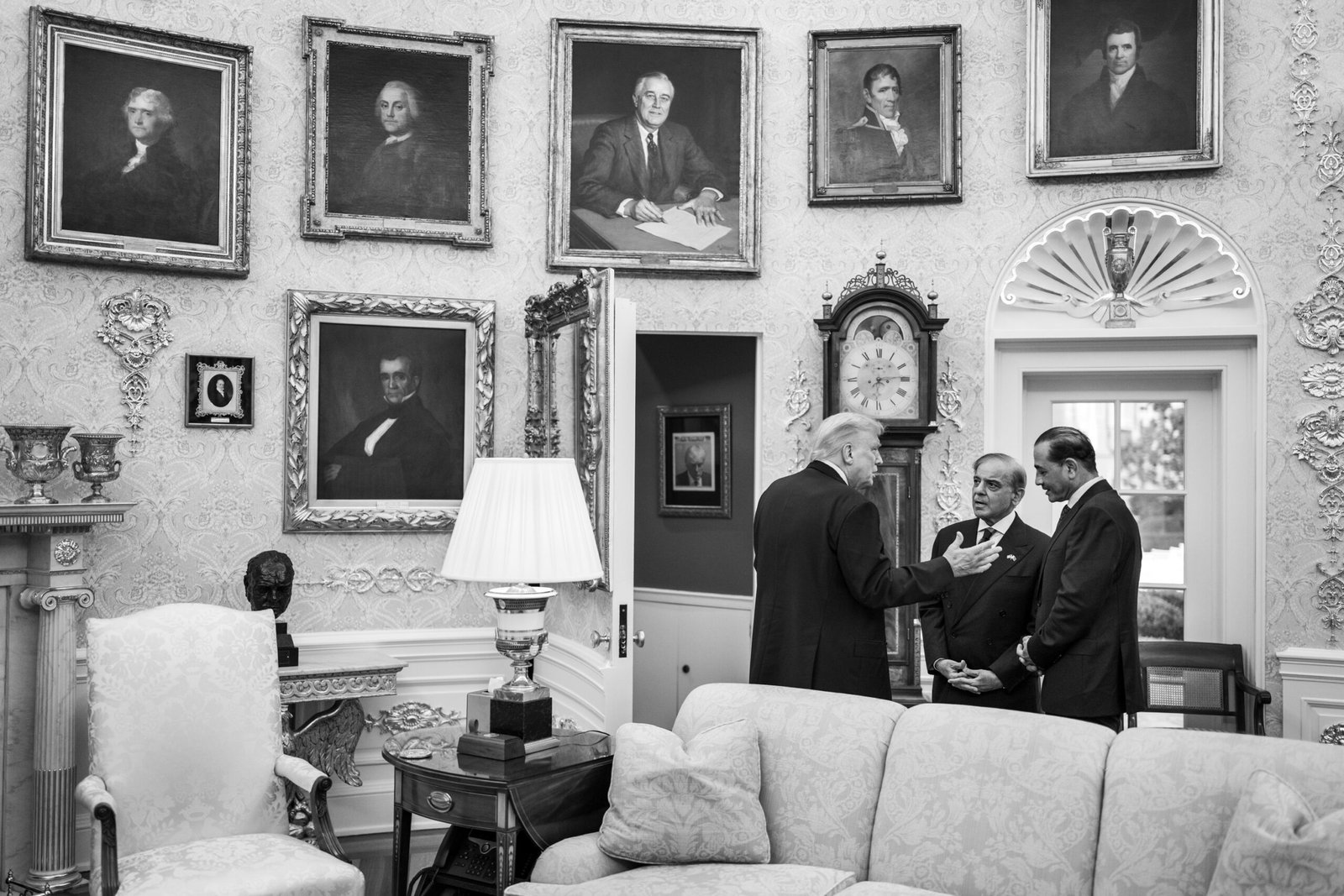
The Asim Munir Tehran visit is expected to pick up where the summer diplomacy left off. The agenda, as outlined in the Reuters reporting, centres on de-escalation, the normalisation of maritime traffic through the Strait of Hormuz, and pushing the negotiating process toward a durable settlement.
For Pakistan, the stakes are both strategic and economic. As a neighbour of Iran with deep stakes in regional stability, Islamabad has positioned itself as a credible interlocutor — trusted in Tehran, engaged in Washington, and motivated to keep trade and energy routes open.
The visit also signals continuity: rather than a one-off gesture, The Asim Munir Tehran visit is part of a sustained diplomatic effort in which Pakistan has remained involved through successive rounds of engagement over the past year.
Pakistan’s mediation: from Islamabad talks to the June memorandum
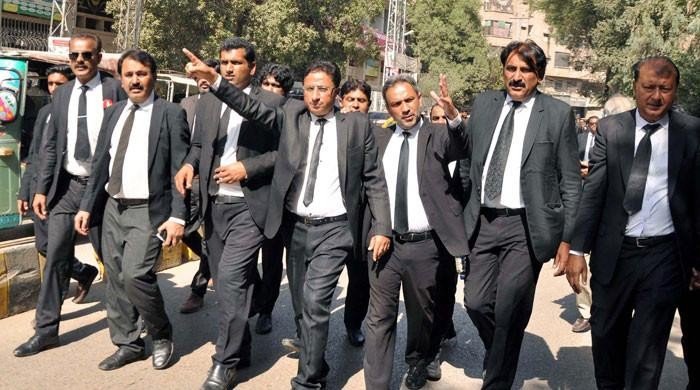
Pakistan’s mediation in the US–Iran talks has been the defining feature of its foreign policy this year. In April, senior American and Iranian representatives held talks in Islamabad that ended without an agreement — but established the Pakistani capital as a neutral venue for the process.
A breakthrough of sorts followed in June, when Washington and Tehran signed the Islamabad Memorandum of Understanding, brokered by Pakistan — a sequence tracked in detail by regional analysts. That interim arrangement later collapsed amid disagreements over security and navigation, but it demonstrated that Pakistani mediation could bring the parties to the table and onto paper.
The Asim Munir Tehran visit returns to those unresolved objectives: preventing a wider confrontation, reopening the Strait of Hormuz to normal shipping, and reviving a framework that can outlast the disagreements which undid the summer arrangement.
Why the Strait of Hormuz matters for Pakistan
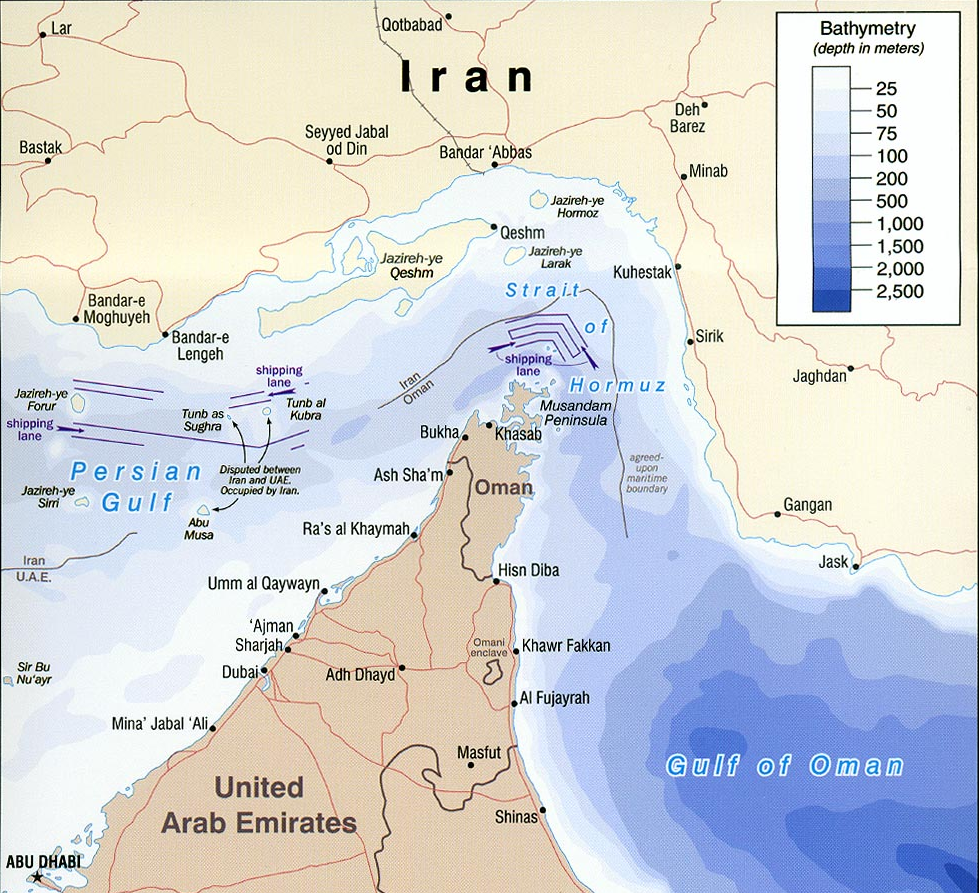
The Strait of Hormuz reopening talks are not abstract diplomacy for Pakistan. The strait is the world’s most important oil chokepoint, and any sustained disruption feeds directly into energy prices, shipping costs and inflation across the region — including in Pakistan itself.
Islamabad’s interest in the reopening of the waterway is therefore both principled and practical: a stable strait means stable energy markets, which matter enormously for an import-dependent economy navigating its own recovery. Munir’s summer discussions with Iranian leaders reportedly placed the reopening of the strait at the heart of the agenda, and today’s visit is expected to revisit it.
Regional analysts note that Pakistan’s dual credibility — a military relationship with the United States and a neighbourly, working relationship with Iran — gives it a rare convening position that few other capitals can claim.
Regional backdrop: active diplomacy across capitals
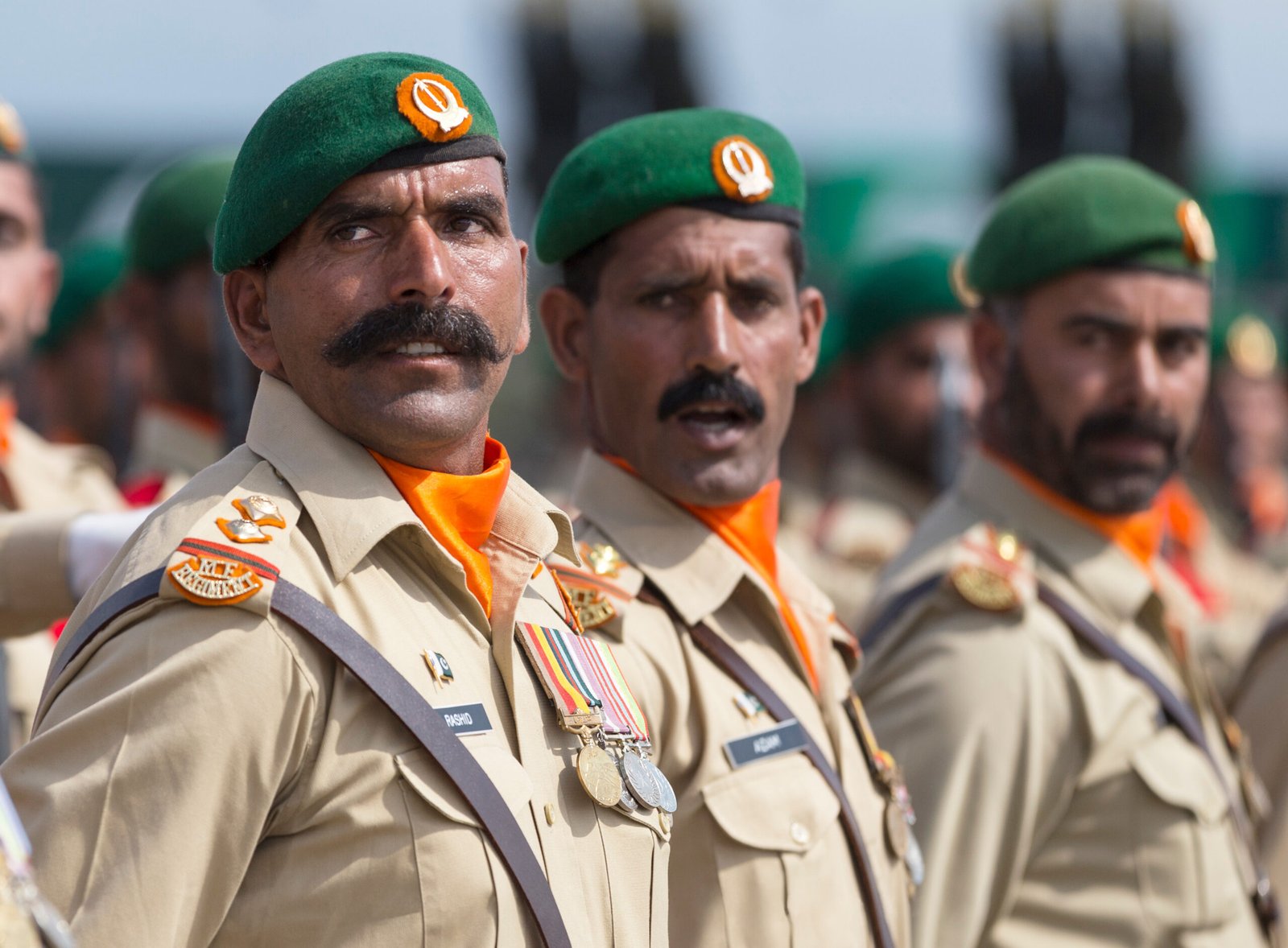
The Pakistan army chief’s Iran visit comes at a moment of unusually active diplomacy, and the Asim Munir Tehran visit is at its centre. According to reporting on Monday, Russian Foreign Minister Sergei Lavrov was also holding meetings in the Iranian capital — an indication that Tehran is engaging multiple interlocutors in parallel.
Closer to home, Munir’s recent diplomatic calendar has been busy. Earlier this month he met the new Saudi envoy at GHQ in Rawalpindi, with both sides hailing progress under the bilateral defence framework — a meeting urdupro.info covered in detail. The sequence of engagements — Riyadh, now Tehran — underscores how central Pakistan’s military diplomacy has become to regional de-escalation efforts.
What distinguishes the current moment is Pakistan’s shift from a traditionally quiet backchannel role to a visibly front-footed mediating posture, with the army chief himself as the principal envoy.
What to watch from the Tehran talks
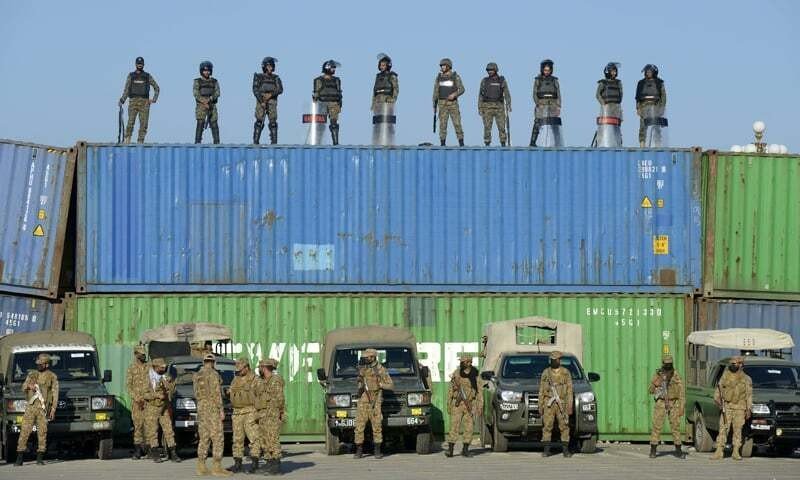
Observers will be watching the Asim Munir Tehran visit meetings for three signals: first, whether Tehran and Islamabad can agree on concrete next steps to revive the stalled process; second, any movement on the maritime and navigation questions that sank the June arrangement; and third, whether the visit produces a public statement indicating follow-up rounds — possibly back in Islamabad.
Neither side has released a detailed agenda, and as with earlier rounds, the most consequential outcomes may emerge from closed-door sessions rather than public remarks. The fact that the visit is taking place at all, confirmed by both a Pakistani official and Iranian media, is itself a statement of intent.
urdupro.info will track the Asim Munir Tehran visit and its outcomes in our Pakistan News section, along with continuing coverage of Pakistan’s regional diplomacy.
Related Posts
 Pakistan NewsKarachi Records First Polio Case Since December 2024; Pakistan’s 2026 Tally Reaches Seven
 Pakistan NewsMuizzu Departs Malé as Historic State Visit to Pakistan Begins
 Pakistan NewsPakistan Govt Buildings Glow Pink for Breast Cancer Awareness | Pinktober 2026
 Pakistan NewsGilgit-Baltistan Assembly Passes Local Government Act 2026, Clearing Way for First Local Polls in Over 20 Years
 Pakistan NewsKarachi Temperature to Stay Above Normal in November, Says Met Office
 Pakistan NewsAsim Munir Tehran Visit: Pakistan Army Chief Heads to Iran on Tuesday
Most Popular
 How-ToPTA Tax Calculator 2026: Check Mobile Tax on Any Phone138 views
 Canada JobsTech Jobs in Canada: Roles, Salaries, and Skills Needed114 views
 TechnologyTecno Mobile Prices in Pakistan 2026: Spark, Camon and Pova Series Compared108 views
 TechnologyRedmi K100 Launching on 28 October: 10,000mAh Battery, 185Hz Display and Full Specs104 views
 ShowbizWomen’s Fashion in Pakistan 2026: Trends, Brands and Style Guide96 views
 BISPPunjab Driving License Scam Alert: Fake Websites & “Without Test” Fraud | UrduPro93 views