The Securities and Exchange Commission of Pakistan has lifted a temporary ban on new lending by the Rural Community Development Programme, clearing the way for the microfinance provider to resume fresh loans after an inquiry found no link between its staff and a suicide in Farooqabad.
The regulator imposed the restriction after the death was reported in Farooqabad, a town in Punjab, and questions were raised about whether pressure from loan recovery staff had played a part. The SECP said its investigation found no evidence connecting RCDP employees to the incident. A magistrate has discharged the employees from the case, and the regulator said the inquiry did not establish any connection between them and the suicide.
With the staff cleared, the SECP has removed the temporary restriction on issuing new loans. The decision, reported on 24 November 2026, means RCDP can once again disburse fresh loans to the low-income households and small businesses that rely on it. The clearance is not unconditional, however. The regulator has told the organisation to improve its loan recovery performance and to fix weaknesses in how it handles borrower complaints, and to submit a compliance report within 60 days.
What the inquiry found

The Farooqabad case put RCDP under intense scrutiny. When a borrower dies by suicide and a lender’s recovery practices are questioned, the regulator has to establish the facts quickly, both for the family involved and for the thousands of other borrowers who depend on the same institution. In this case the SECP said the investigation looked specifically for any link between RCDP employees and the death and found none.
The magistrate’s decision to discharge the employees from the case closes the criminal aspect of the matter. For RCDP, it removes the cloud that had hung over its operations since the restriction was imposed, but the regulator has made clear that the clearance is about the suicide allegation alone. The separate questions about how the organisation recovers loans and deals with complaints remain open, and those are the issues the 60-day corrective plan must address.
Conditions attached to the clearance
The SECP’s conditions go to the heart of how microfinance works on the ground. Loan recovery is where a lender’s relationship with its borrowers is tested most sharply, and poor recovery practices can push vulnerable families into deeper distress even when no single incident crosses a legal line. The regulator has directed RCDP to strengthen its recovery performance, which in practice means collecting outstanding loans more effectively and through proper channels rather than through pressure on borrowers.
Complaint handling is the other half of the order. Borrowers who feel they have been treated unfairly need a route to be heard, and the regulator wants RCDP’s system for dealing with those complaints to work better. The organisation must report back on both fronts within 60 days, giving the SECP a deadline to judge whether the promised improvements have actually been made.
Why the decision matters for borrowers
RCDP is a Lahore-based, not-for-profit microfinance company regulated by the SECP as a non-banking finance company. It traces its roots to the Rural Community Development Society, set up in 1995 to provide community development and microcredit services, and was established as a separate entity in 2015, with its microfinance operations formally transferred to it in 2016.
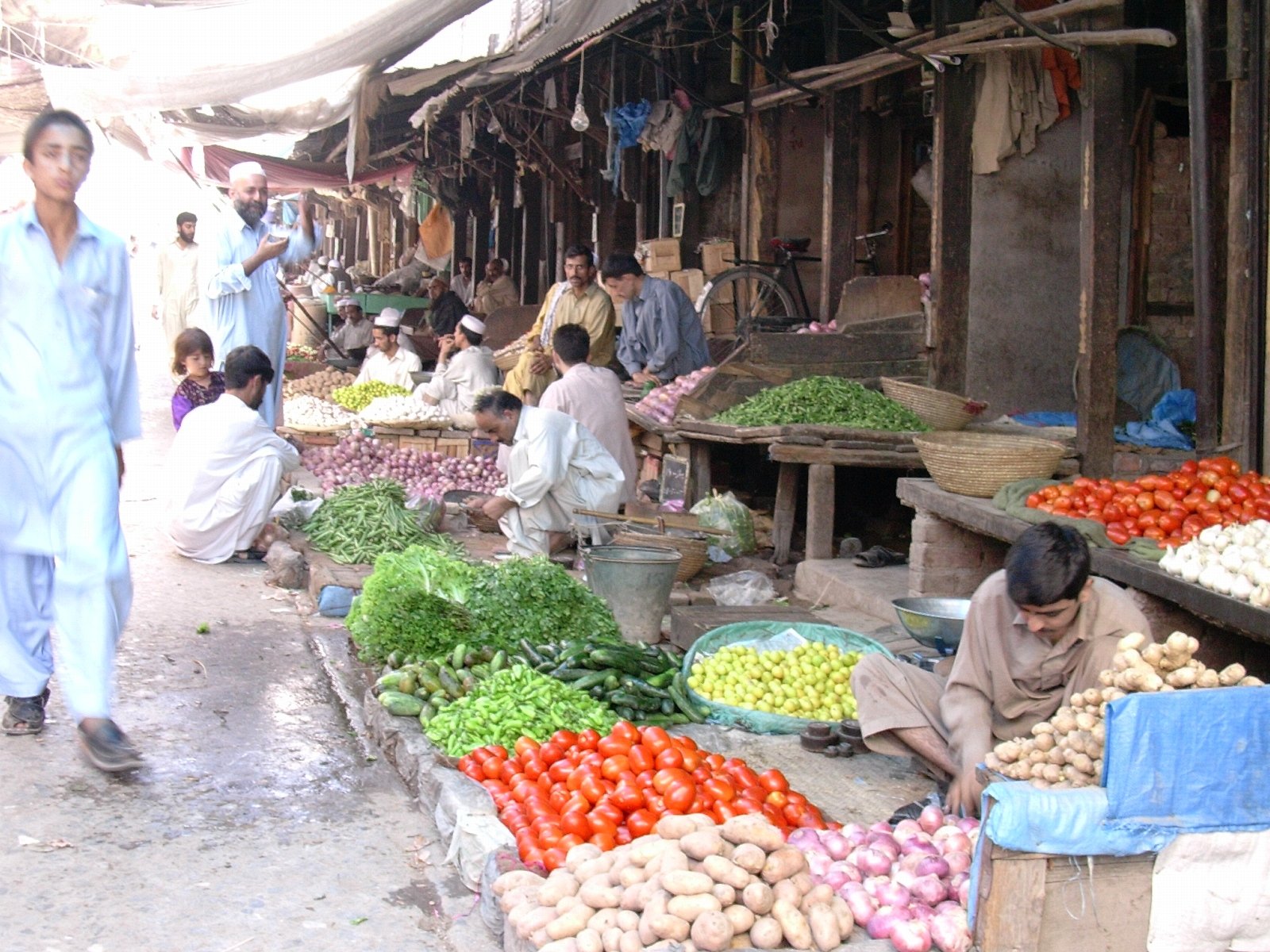
Its borrowers are low-income households, small entrepreneurs and underserved communities, with a particular focus on rural areas and women borrowers — the people mainstream banks rarely reach. The organisation operates 252 branches, including 232 conventional branches and 20 branches under the Prime Minister’s Interest-Free Loan programme. Its gross loan portfolio stood at Rs17,418 million at the end of the first nine months of the 2025-26 financial year, up 58 percent from Rs11,081 million a year earlier, reflecting how fast demand for its loans has grown.
A prolonged lending freeze at an institution of that size would have cut off credit for thousands of families and small traders. The SECP’s decision to lift the ban, while keeping the organisation under corrective supervision, tries to balance those two concerns: borrowers get their lender back, and the regulator keeps pressure on RCDP to fix the practices that drew its attention in the first place.
The case also sits within a wider tightening of microfinance oversight. The SECP has recently moved to protect small borrowers in other parts of the market, including a sharp cut in the interest rate cap on digital nano-loans.
Related Posts
 BusinessPakistan Business Confidence Falls to Minus 23% as Foreign Investors Turn Pessimistic: OICCI
 BusinessPetrol Price Cut by Re1 to Rs318, Diesel Down Rs4 to Rs353 From 25 November
 BusinessEngro Holdings Proposes Buyback of 60 Million Shares — 5.14% of Its Stock
 BusinessPIA Norse Atlantic Aircraft Shortage Puts UK and Europe Flights at Risk
 BusinessGold Price in Pakistan Jumps Rs7,800 Per Tola to Rs384,136 After Sharp Rebound
 BusinessPort Qasim Coal Conveyor Breakdown Disrupts Coal Imports to Power Plants and Cement Industry
Most Popular
 How-ToPTA Tax Calculator 2026: Check Mobile Tax on Any Phone421 views
 Pakistan NewsPIA Boeing 787 Lease Deal: What It Means for the Airline397 views
 Canada JobsTech Jobs in Canada: Roles, Salaries, and Skills Needed395 views
 SportsUEFA Champions League 2026-27: Format, Teams and Schedule390 views
 TechnologyPM Shehbaz Sets November Deadline for Alibaba AI and Digitalisation Projects in Pakistan372 views
 ShowbizWomen’s Fashion in Pakistan 2026: Trends, Brands and Style Guide366 views