PTA proposes solar power for Pakistan’s telecom towers
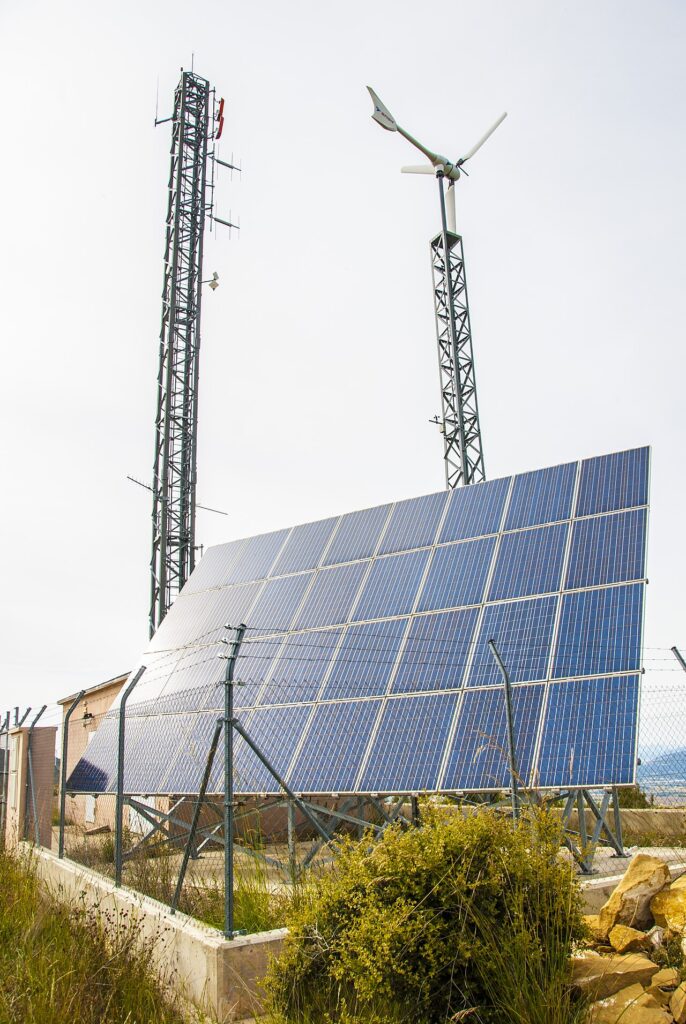
The Pakistan Telecommunication Authority (PTA) has proposed moving the country’s mobile towers to solar power, battery storage and hybrid energy systems, in a phased plan aimed at cutting diesel use, tackling frequent power outages and keeping mobile signals alive when the electricity goes out.
The proposal, reported on 24 November 2026, asks telecom operators and tower companies to draw up time-bound plans for converting their base stations — the BTS sites that carry mobile calls and data — to alternative energy. Each operator must identify the sites that suffer prolonged outages, assess whether renewable energy can work there, and set out an investment plan with a timeline of one, two or three years.
The regulator has also opened the plan for industry comment, with feedback due by 7 December 2026. One of the questions put to the industry is whether solar installations should be made mandatory at sites that lose power for 5 percent or more of a month — the threshold PTA proposes for defining a high-outage site.
For mobile users, nothing changes immediately. This is the start of a consultation and a roadmap, not a switch that will be flipped overnight. But if the plan goes ahead, it would address one of the most familiar frustrations in Pakistan: the mobile signal vanishing every time the lights go out.
What PTA has asked operators to do
Under the proposal, operators must submit conversion plans for their base transceiver stations (BTS) — the equipment sites that connect phones to the network. The plans must cover existing energy use at each site, the backup arrangements already in place, how reliable the grid supply is, and the reductions in diesel use being proposed, with dates attached.
PTA has asked for the plans to run over one, two or three years, so that operators with different networks and budgets can move at a realistic pace. The authority is also building an industry-wide energy baseline first, so that operators’ commitments can be tracked before any firmer target is considered.
The roadmap also singles out the heaviest diesel users. Operators are being asked to plan a gradual cut in diesel consumption at their 10 percent most diesel-hungry BTS sites, giving current consumption figures, the reduction proposed and the timeline for achieving it.
Alongside the conversion plans, PTA is considering incentives for energy-efficient operators, shared renewable-energy infrastructure that more than one operator could use, and closer coordination with power-sector institutions. Telecom companies, tower operators, energy providers and other stakeholders have all been invited to send in their recommendations before the 7 December deadline.
Why towers keep going dark
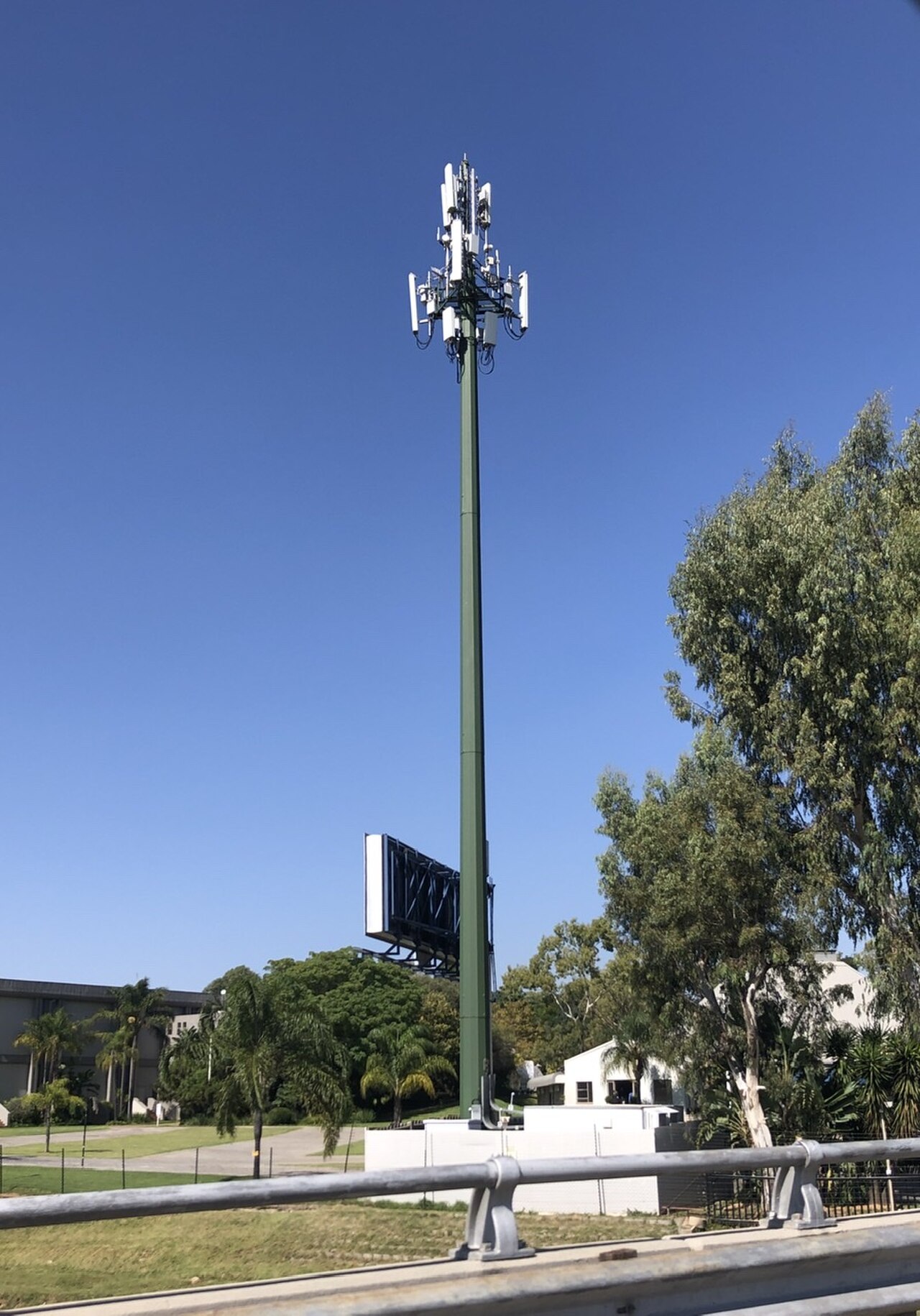
The problem the proposal targets is well known to anyone who uses a mobile phone in Pakistan. When grid electricity fails, a tower falls back on batteries and then on a diesel generator. Batteries alone last only a limited time, diesel is expensive, and in many areas fuel and batteries are stolen from tower sites — leaving the tower dark and the area without a signal until power or fuel returns.
PTA told a Senate committee earlier this year that the country has between 55,000 and 60,000 telecom towers, and that surging diesel prices and rampant theft of fuel and batteries were driving network disruptions. The committee was told that Balochistan generated the highest volume of theft complaints, and that prolonged load shedding was disrupting mobile and internet services across the country.
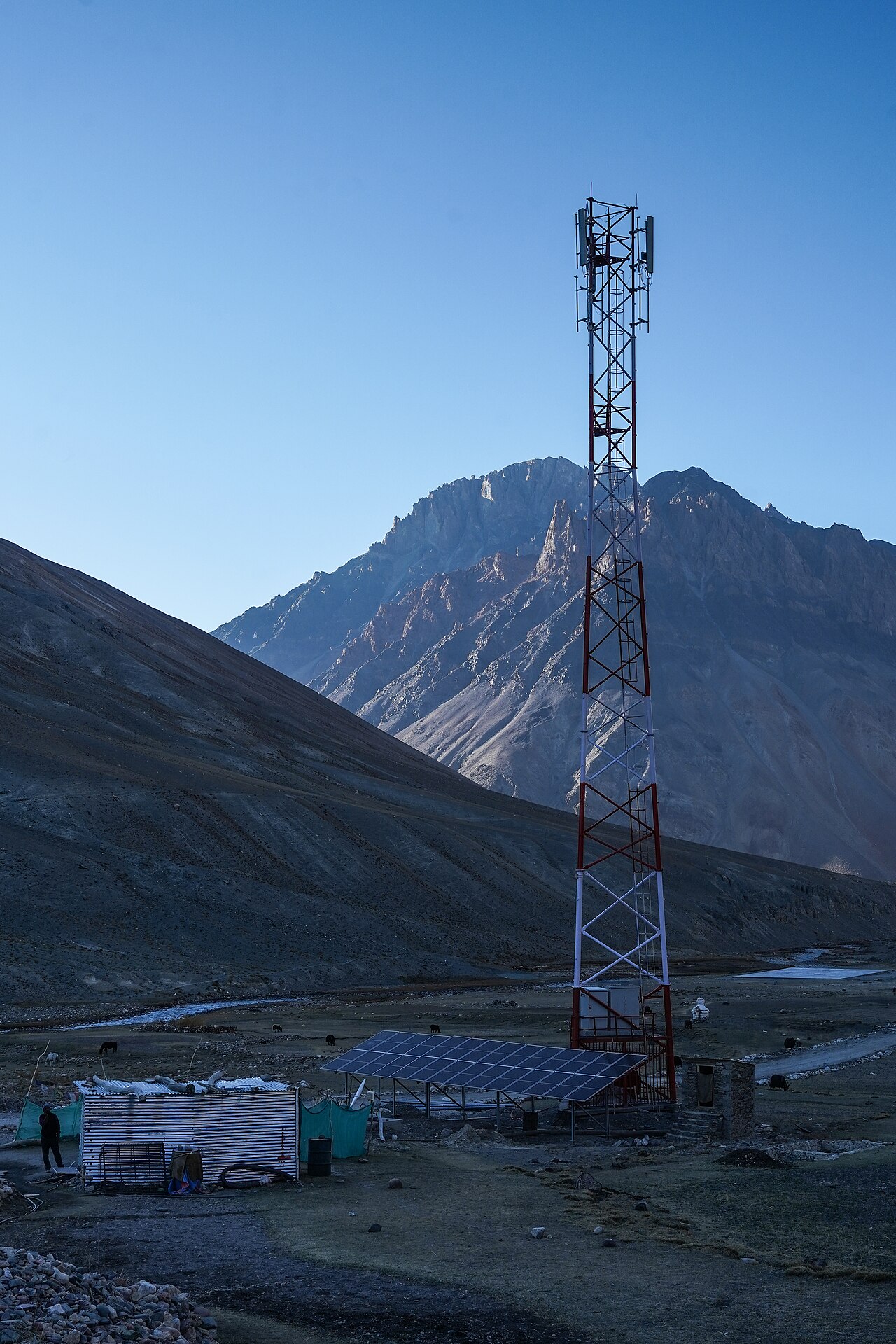
That is why the proposal does not impose one target on every tower. PTA says a uniform renewable-energy obligation may not be practical, because sites on a reliable grid, a weak grid or off the grid differ sharply in cost and viability. Instead, the options on the table are plain solar, solar with batteries, and solar-diesel-battery hybrids — chosen site by site, according to local conditions and lifetime cost.
Crucially, the authority has stressed that any alternative-energy system must keep a tower running through the night, through cloudy weather and through other periods when solar generation is limited. A solar panel that only works in bright sunshine would not solve the problem the proposal is trying to fix.
What it could mean for mobile users
If the roadmap moves forward, the most visible change for users would be fewer dead zones during loadshedding and fewer dropped signals in areas where the grid is unreliable. Towers that can power themselves through an outage would keep calls, messages and mobile data working when they are needed most — including during emergencies.
The plan also matters for the next stage of Pakistan’s mobile networks. The regulator has linked stable tower power to the coming 5G rollout, which will need reliable energy at far more sites than today’s networks. A tower network that depends on diesel deliveries and short battery backup would struggle to support that expansion.
There is a cost question too. Diesel is one of the largest running costs for tower operators, and the industry has been pressing the government separately for relief on electricity tariffs. Solar panels and batteries need upfront investment, but once installed they cut the recurring fuel bill — which is why PTA wants each operator’s plan to carry an investment figure alongside its timeline.
For now, though, subscribers should treat this as a proposal under discussion. The 7 December deadline is for comments and plans, not for panels on towers. What happens next depends on what operators submit, what the baseline shows, and whether the regulator then turns the proposal into binding rules — including the question of making solar compulsory at the sites that lose power most often.
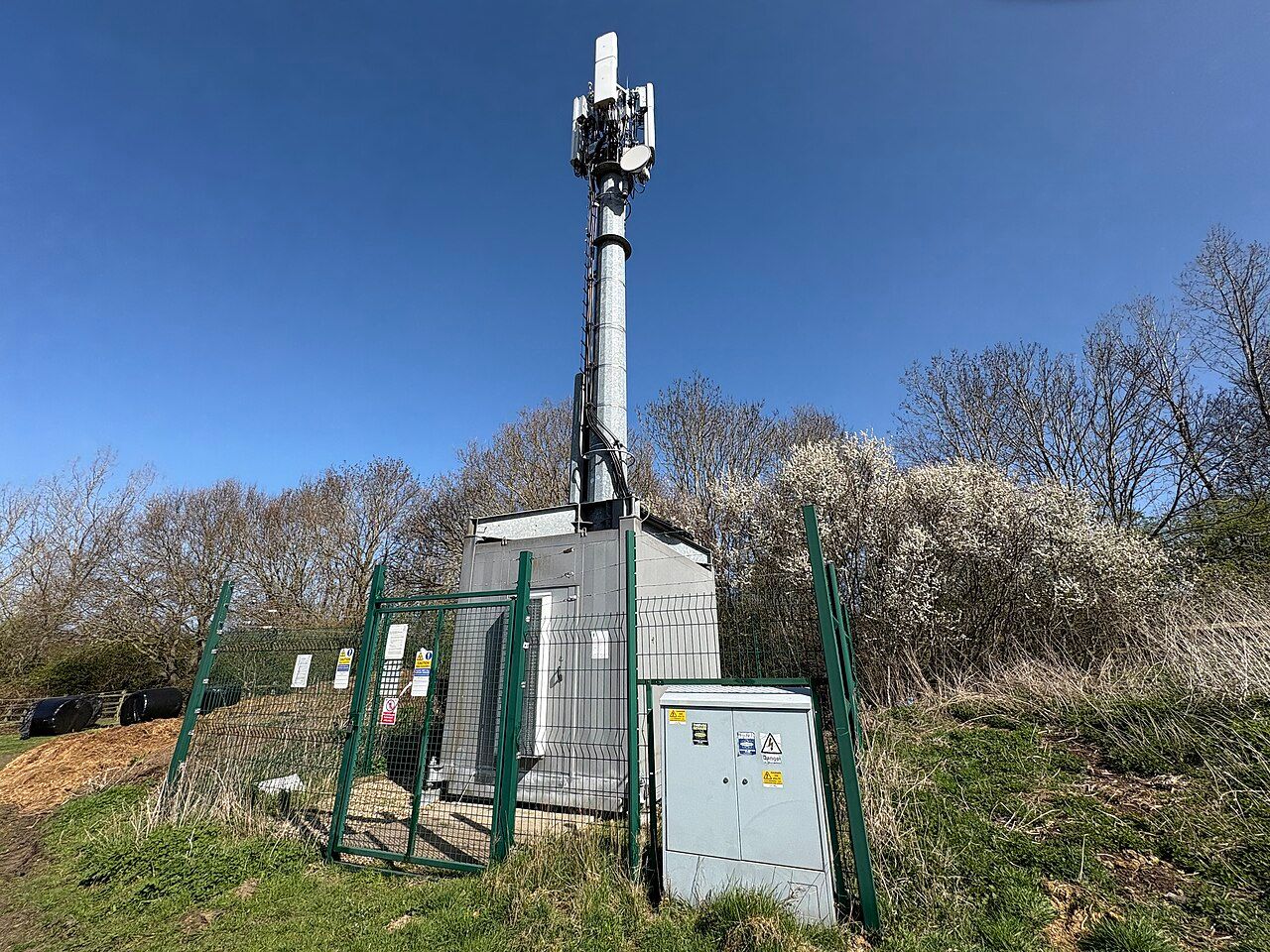
The PTA proposal is the latest step in a long-running effort to make Pakistan’s mobile networks resilient to the country’s power problems. If operators and the regulator can agree on a workable roadmap, the next time the lights go out, the signal may stay on.
Related Posts
 TechnologyPakistan Plans Mandatory Registration for Social Media Platforms — Naqvi Sets Four Red Lines
 TechnologyNCCIA Romance Scam: Four Arrested in Rs5.8 Million TikTok Fraud
 TechnologySBP Prepares AI Guidelines for Banks in Pakistan — Rules Await Final Approval
 TechnologyNADRA Biometric Verification Now Required at Union Councils in 23 Districts
 Technologyitel A300+ Launched in Pakistan at Rs 39,999 — Dual Screens, 7000mAh Battery and 120Hz Display
 TechnologyMeta Muse Launches in the UK: AI Agent That Shops, Books Travel and Chases Refunds
Most Popular
 How-ToPTA Tax Calculator 2026: Check Mobile Tax on Any Phone421 views
 Pakistan NewsPIA Boeing 787 Lease Deal: What It Means for the Airline397 views
 Canada JobsTech Jobs in Canada: Roles, Salaries, and Skills Needed395 views
 SportsUEFA Champions League 2026-27: Format, Teams and Schedule390 views
 TechnologyPM Shehbaz Sets November Deadline for Alibaba AI and Digitalisation Projects in Pakistan372 views
 ShowbizWomen’s Fashion in Pakistan 2026: Trends, Brands and Style Guide366 views