AMD has launched its new server processors for the age of AI agents, and the headline number is hard to ignore: up to 256 cores in a single chip. The AMD 6th Gen EPYC 9006 series, codenamed Venice, is built on AMD’s new Zen 6 architecture and is now generally available, with systems shipping from leading server makers and cloud instances from Microsoft Azure and Oracle Cloud Infrastructure to follow soon.
The launch, announced on 10 November 2026, is AMD’s biggest server-chip release in years. Rather than selling one processor for every job, AMD has split the portfolio into chips tuned for different workloads — high core counts for packing in AI agents, high clock speeds for hosting large language models, and efficient parts for everyday business applications. It is a direct challenge to Nvidia, which has moved into the server CPU market with its Vera chip, and to Intel’s Xeon line.
Electronics For You reported the launch, and TechQuire detailed the full lineup.
AMD 6th Gen EPYC 9006: what is inside Venice
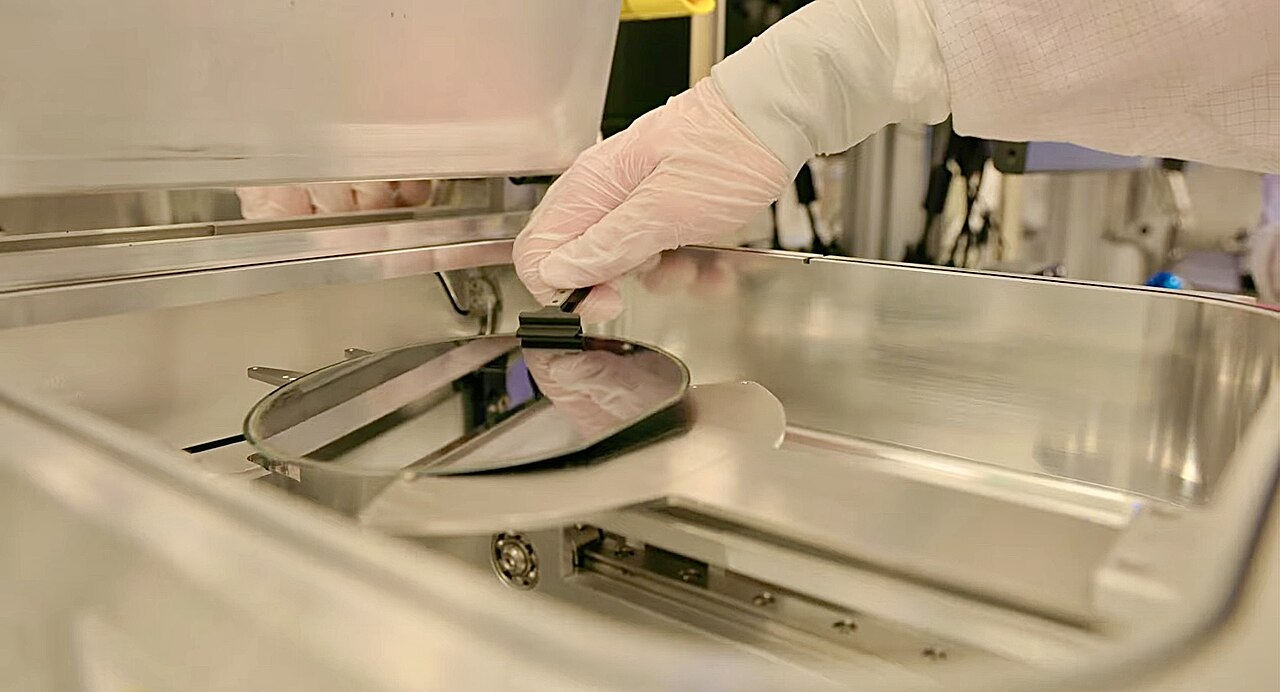
The AMD 6th Gen EPYC 9006 family is built for the new SP7 socket and comes in nine models, ranging from 64 to 256 cores, with list prices from $8,008 to $14,904 in 1,000-unit quantities. Every chip in the family gets 16 channels of DDR5 memory running at up to 8,000 MT/s, with support for faster MRDIMM memory at 12,800 MT/s, taking total memory capacity to 8 TB and bandwidth to 1.6 TB/s per socket. The platform also moves to PCIe Gen 6, with up to 128 lanes in dual-socket systems.
The flagship is the EPYC 9996: 256 cores and 512 threads, a maximum boost clock of 4.1 GHz, a huge 1,024 MB of L3 cache, and a default power draw of 600 watts that can be configured down to 400 watts. At the other end of the performance scale, high-frequency parts such as the 96-core EPYC 9686F boost up to 5.3 GHz for jobs where single-thread speed matters more than core count.
256 cores and a $14,904 flagship
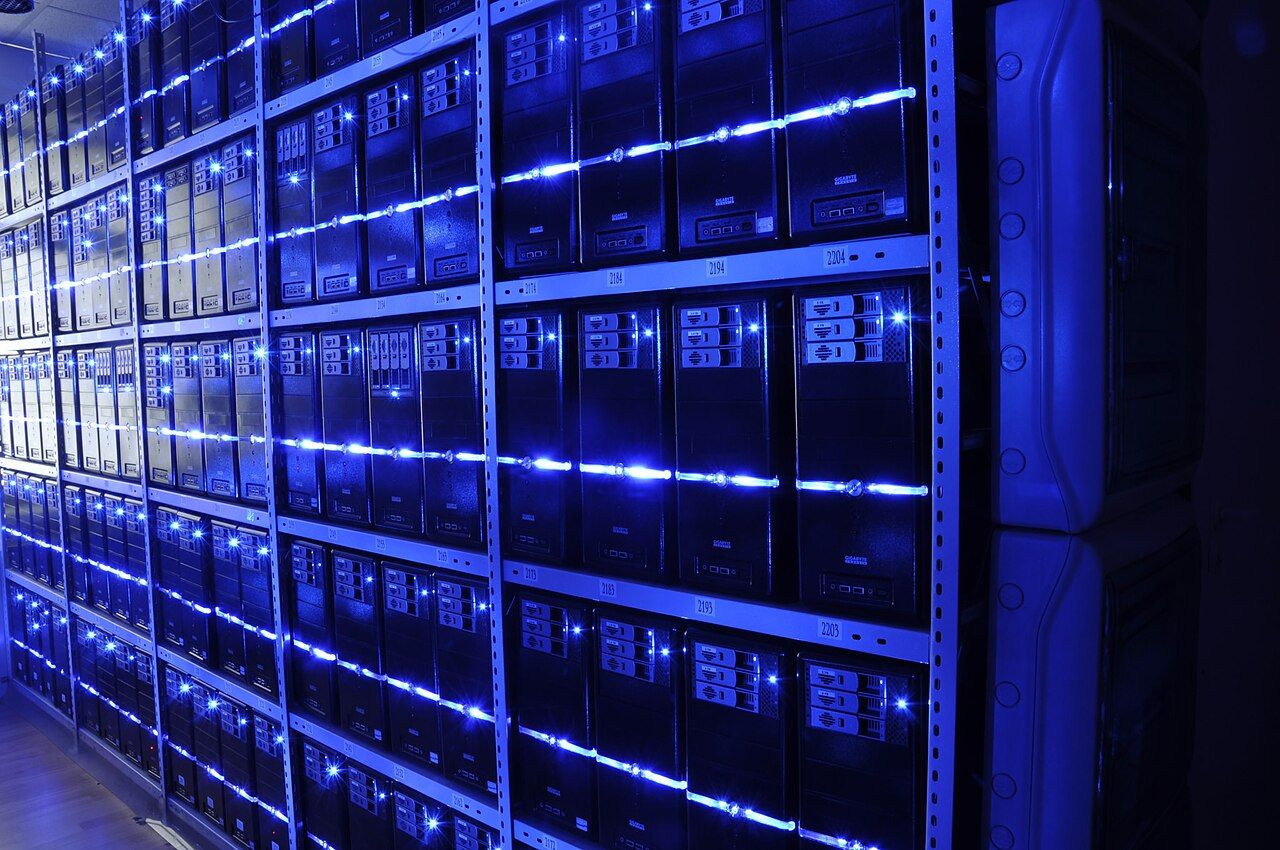
The flagship’s price tells its own story about where the server market is heading. At $14,904, the EPYC 9996 is aimed at cloud providers and enterprises running the heaviest AI workloads, where the cost of the chip is small next to the cost of the data centre around it. The rest of the lineup fills in below it: the 192-core EPYC 9966 at $14,079, the 168-core EPYC 9846 at $13,114, and the 64-core EPYC 9556 at $8,008.
AMD’s pitch is that one socket can now do the work that used to need several. A single EPYC 9996 server can host far more AI agents — the autonomous programs that answer customer queries, write code and run business processes — than previous generations, and the company says its servers fit about 1.18 times as many agents per rack as competing systems within the same 35kW power envelope.
AMD’s performance claims against Nvidia Vera and Intel Xeon
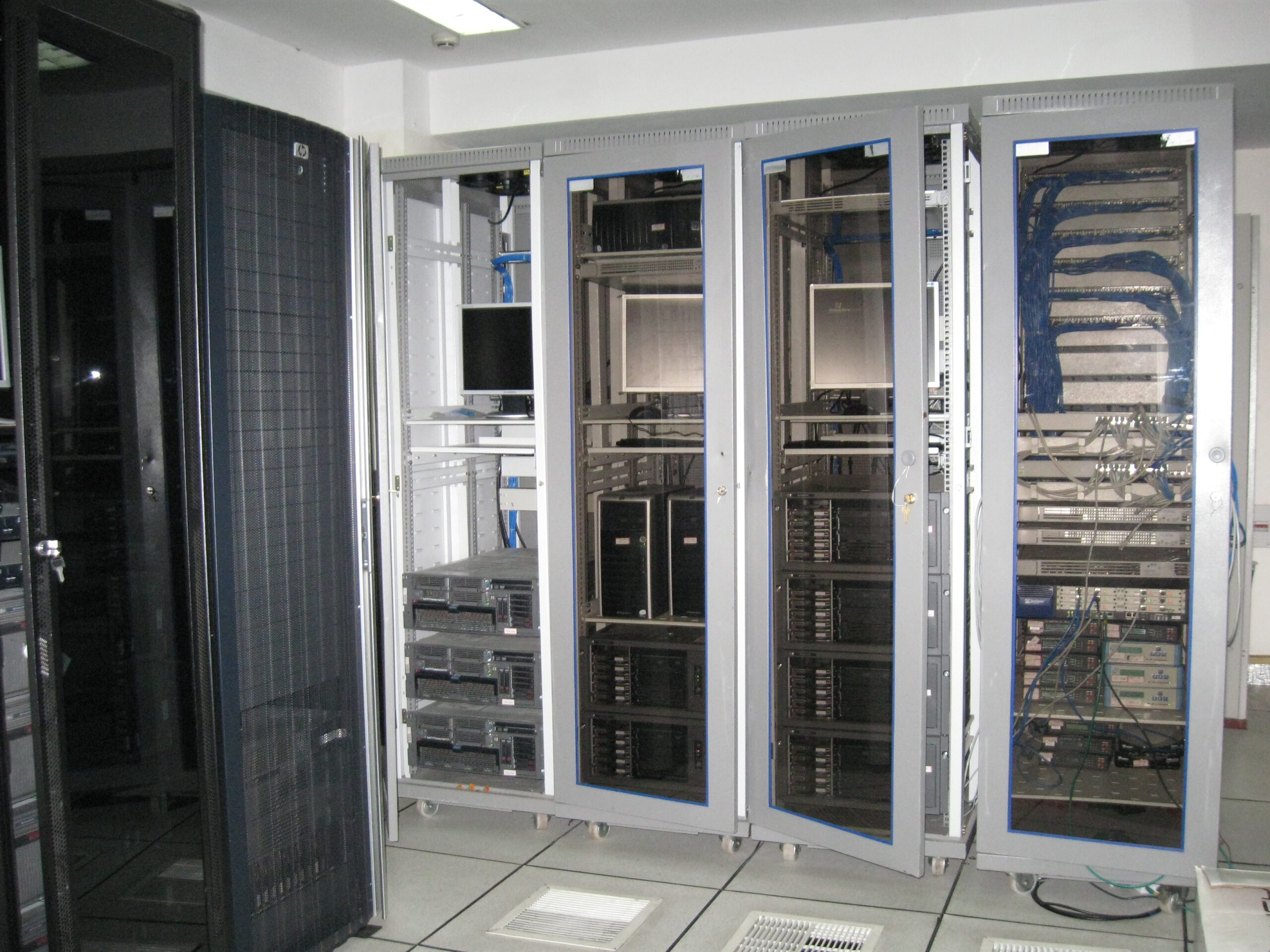
AMD’s own testing puts the new chips well ahead of the competition, and the company has not been shy about the comparisons. It claims a system powered by the EPYC 9996 delivers up to 3.7 times the performance of a system built around Nvidia’s Vera CPU, and up to 2.2 times the computing performance — and 2.0 times the performance per dollar — of a system using Intel’s Xeon 6980P. Its high-frequency host-node processors are claimed to deliver up to 1.8 times the LLM output throughput of previous-generation EPYC chips.
The agent-era numbers are the ones AMD is pushing hardest. The company claims its high-density EPYC processors offer up to a 3.3 times agents-per-CPU-watt advantage over Nvidia’s Vera and up to a 2.5 times advantage over Intel’s Xeon 6980P. These are AMD’s own figures from its own testing, so independent benchmarks will be the real test — but the direction of travel is clear: the CPU is being sold as the control centre for AI infrastructure, not just a supporting actor to the GPU.
“AI is significantly expanding the role of the CPU across every layer of the data centre,” said Dan McNamara, senior vice president and general manager of Compute and Enterprise AI at AMD. “With 6th Gen AMD EPYC, customers can standardise on the proven x86 foundation while choosing a workload-optimised solution to run more agents, keep accelerated infrastructure fed and power the business-critical applications they depend on.”
Why the CPU matters again in the AI agent era

For years the story of AI hardware has been about graphics chips, with Nvidia’s GPUs taking most of the attention and most of the money. AMD’s launch argues that the CPU’s job has changed: as AI agents multiply, somebody has to schedule them, feed data to the accelerators, and keep the whole system running — and that job falls to the processor.
The timing is strong for AMD. Its data centre revenue hit a record $8.5 billion in the third quarter of 2026, up 97% on the year before, as demand for AI chips kept climbing. The EPYC 9006 launch gives that momentum a new flagship product, and with SP8 systems, high-cache 9006X parts and a low-power 9006 LP variant already sketched for the first half of 2027, AMD is signalling that Venice is the start of a family, not a one-off release.
For buyers planning a server refresh, the choice is now sharper than it has been in years: Nvidia’s Vera, Intel’s Xeon, or AMD’s 256-core Venice. The benchmarks over the coming months will decide how much of AMD’s 3.7x claim holds up — but the 256-core chip is already real, it is already shipping, and it has put the CPU back at the centre of the AI conversation.
Related coverage includes DeepMind and CrowdStrike’s acquisition of Zscaler.
Related Posts
 TechnologyMeta’s AI Chief Warns “Superintelligence Is Arriving” — and Lawmakers Want to Ban It
 TechnologyGoogle DeepMind Quantum Algorithms Now Up to 290 Times Cheaper, Thanks to AI Agents
 TechnologyZ.ai Releases GLM-5.4 With Loop Transformer Architecture and Vision for Coding
 TechnologyOpenAI and Cisco Launch Shirudo: An AI Shield That Protects Linux Servers Without a Reboot
 TechnologyCrowdStrike Buys Zscaler in $43.9 Billion Deal — the Biggest Cybersecurity Acquisition Ever
 TechnologyAnthropic Launches Claude Ship: AI That Reviews, Fixes and Approves Your Code
Most Popular
 How-ToPTA Tax Calculator 2026: Check Mobile Tax on Any Phone421 views
 Pakistan NewsPIA Boeing 787 Lease Deal: What It Means for the Airline396 views
 Canada JobsTech Jobs in Canada: Roles, Salaries, and Skills Needed394 views
 SportsUEFA Champions League 2026-27: Format, Teams and Schedule390 views
 TechnologyPM Shehbaz Sets November Deadline for Alibaba AI and Digitalisation Projects in Pakistan370 views
 ShowbizWomen’s Fashion in Pakistan 2026: Trends, Brands and Style Guide366 views