Jazz records the most complaints — 3,112 in a single month
Pakistanis filed 7,254 complaints with the Pakistan Telecommunication Authority (PTA) in October 2026, and the regulator says it resolved 94.33 per cent of them. Jazz, the country’s largest mobile operator, recorded the highest number of complaints of any network, with 3,112 grievances lodged against it during the month.
The figures come from PTA’s monthly complaint data for October, which covers mobile networks, fixed-line telephony and internet service providers. Of the 7,254 complaints received, 6,843 were closed during the month, leaving 411 cases still pending.
Jazz resolved 2,944 of the complaints filed against it, a resolution rate of 94.6 per cent. The raw count needs context: Jazz also has the largest subscriber base of any mobile operator in Pakistan, so a higher number of complaints is expected from its customers. The resolution rate — how many complaints actually get closed — is the fairer way to compare networks.
Mobile operators resolve more than 95 per cent of cases
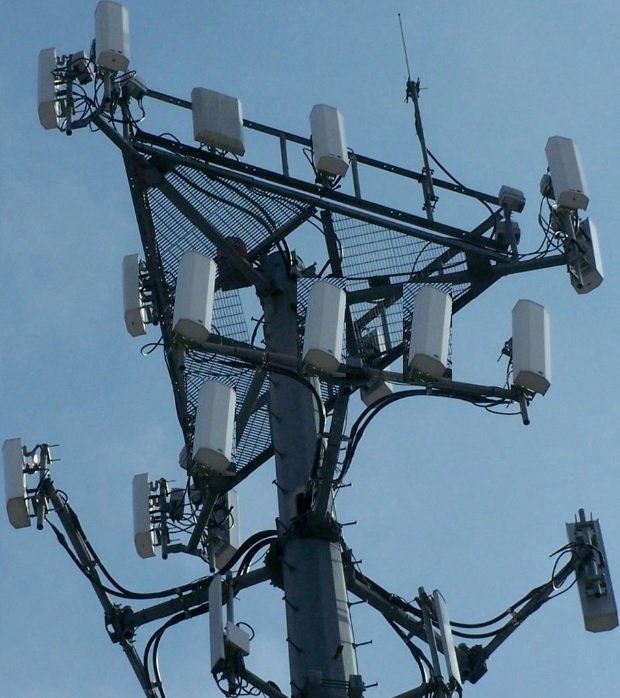
Mobile networks took the bulk of the complaints in October. Of the 6,405 complaints directed at cellular operators, 6,103 were resolved, giving the mobile segment a resolution rate of 95.28 per cent.
Zong received 1,167 complaints and closed 1,119 of them, a resolution rate of 95.89 per cent — the best among the four mobile operators on the figures published. Ufone registered 932 complaints and resolved 872, a rate of 93.56 per cent.
Telenor logged 1,158 complaints in October. The published breakdown lists 927 resolved cases for Telenor, but the resolution rate printed alongside those figures does not match the underlying numbers, so that rate should be treated with caution until PTA clarifies its original data. What is clear from the counts is that Telenor’s resolved total sits below the other operators’ rates on a like-for-like basis.
The four operators together account for nearly all of the mobile complaints, with a small remainder spread across smaller networks. The most common issues behind the complaints are the familiar ones: coverage dropouts, slow data speeds, billing errors and slow responses from customer support.
Internet providers lag behind on resolution

Fixed broadband and internet service providers were slower to close complaints than the mobile networks. Of the 705 complaints lodged against internet providers in October, operators resolved 613 — a resolution rate of 86.95 per cent. That left 92 broadband complaints unresolved in the month alone.
Basic telephony services saw 144 complaints, with 127 addressed, a resolution rate of 88.19 per cent.
The gap matters because it hits the people who depend on a stable connection the most. Freelancers, remote software teams and online businesses need uninterrupted broadband to work, and a complaint that stays open means days of disrupted service. When fewer than 87 in every 100 broadband complaints are closed within the month, the problem is not just the volume of complaints — it is how long they take to fix.
Complaints dip slightly from September
October’s total of 7,254 complaints was 146 fewer than the 7,400 filed in September 2026. The small decline does not by itself prove that service quality improved. Fewer complaints can mean fewer problems, but it can also mean fewer people bothering to complain — and a complaint marked closed does not confirm that the network problem behind it was permanently fixed in that area.
PTA also kept up its field monitoring during the month. The regulator inspected more than 900 mobile sites across the country to check coverage and service standards directly, part of a nationwide quality drive that has now crossed 900 site inspections. Field testing matters because complaint figures only capture what customers report; the inspections show what the networks are actually delivering on the ground.
For readers who want to check how the regulator’s field checks are going, our earlier report on PTA’s mobile site inspections has the details of the nationwide drive.
What the numbers mean for mobile users
The October figures tell two different stories at once. On the one hand, the system works: more than nine in ten complaints are closed, and the mobile operators close more than 95 per cent of theirs. On the other hand, the complaints keep coming — more than 7,000 in a single month — which suggests the underlying problems are not going away.
For users, the practical takeaway is simple. If your network is dropping calls, your data is crawling or your bill looks wrong, file a complaint with your operator first and keep the reference number. If the operator does not resolve it, escalate it to PTA through the regulator’s official complaint channel — the monthly figures show that escalated complaints do get attention, with the vast majority closed within the month.
The bigger test is whether the operators fix the causes rather than just closing the tickets. PTA’s own inspections and quality surveys will show whether coverage and speeds actually improve — or whether next month brings another 7,000 complaints about the same problems.
The October data also lands as Pakistan’s phone market keeps shifting toward local production. Our report on Pakistan’s falling mobile phone import bill explains how local plants now build most of the handsets sold here, and local assembly passed 20 million phones in nine months — a reminder that the devices in people’s hands are increasingly made at home, even as the networks they run on still draw thousands of complaints a month.
Sources: PTA monthly complaint data for October 2026, via PhoneWorld and TecSpectrum; Pakistan Telecommunication Authority.
Related Posts
 TechnologyPakistan’s Mobile Phone Import Bill Falls 7.2% as Local Plants Build 23 Million Handsets
 TechnologyDun & Bradstreet Brings Verified Business Data to AI Platforms Across Pakistan and the Region
 TechnologyKarachi Delivery Rider ‘DP Bruce’ Arrested for Allegedly Selling FBI and CIA Data on the Dark Web
 TechnologyADB Ventures Backs Pakistan’s Neem to Digitise Business Payments as 71% of Retail Trade Stays in Cash
 TechnologyGTA 6 Endings Explained: How Many Endings and How to Get the Best One
 TechnologyLUMS Wins Gates Foundation Grant to Build Pakistan’s First National AI Hub for Mothers and Newborns
Most Popular
 How-ToPTA Tax Calculator 2026: Check Mobile Tax on Any Phone421 views
 Pakistan NewsPIA Boeing 787 Lease Deal: What It Means for the Airline396 views
 Canada JobsTech Jobs in Canada: Roles, Salaries, and Skills Needed394 views
 SportsUEFA Champions League 2026-27: Format, Teams and Schedule390 views
 TechnologyPM Shehbaz Sets November Deadline for Alibaba AI and Digitalisation Projects in Pakistan370 views
 ShowbizWomen’s Fashion in Pakistan 2026: Trends, Brands and Style Guide366 views