Pakistan’s Federal Constitutional Court has struck down the infrastructure cess charged by Sindh and Khyber Pakhtunkhwa on goods moving in and out of the country, ending a legal dispute that ran for more than a decade and opening the door to billions of rupees in relief for some of the country’s biggest companies.
A two-member bench headed by Chief Justice Amin-ud-Din Khan, with Justice Aamer Farooq, announced the reserved judgment in open court in Islamabad on 19 November 2026, after hearing the matter on 10, 11 and 12 November. The court allowed 568 appeals filed by taxpayers and set aside earlier judgments of the Sindh High Court and the Peshawar High Court that had upheld the provincial levies.
The ruling in brief
The case, led by C.A. 80 of 2020 and connected matters, covered more than 400 appeals, petitions and transferred writ petitions from the Peshawar, Sindh and Balochistan high courts, along with writ petitions transferred from the Lahore High Court. Many of the businesses challenging the levy are among the largest names listed on the Pakistan Stock Exchange.
The court declared the charging provisions unconstitutional and without lawful authority. It barred the enforcement of any demand, surcharge or penalty based solely on those charges, and ordered the release of securities that businesses had furnished exclusively against them, subject to verification and any existing order governing their disposal. The detailed judgment, running to about 60 pages, was released with full reasons on 20 November.
Which laws were struck down
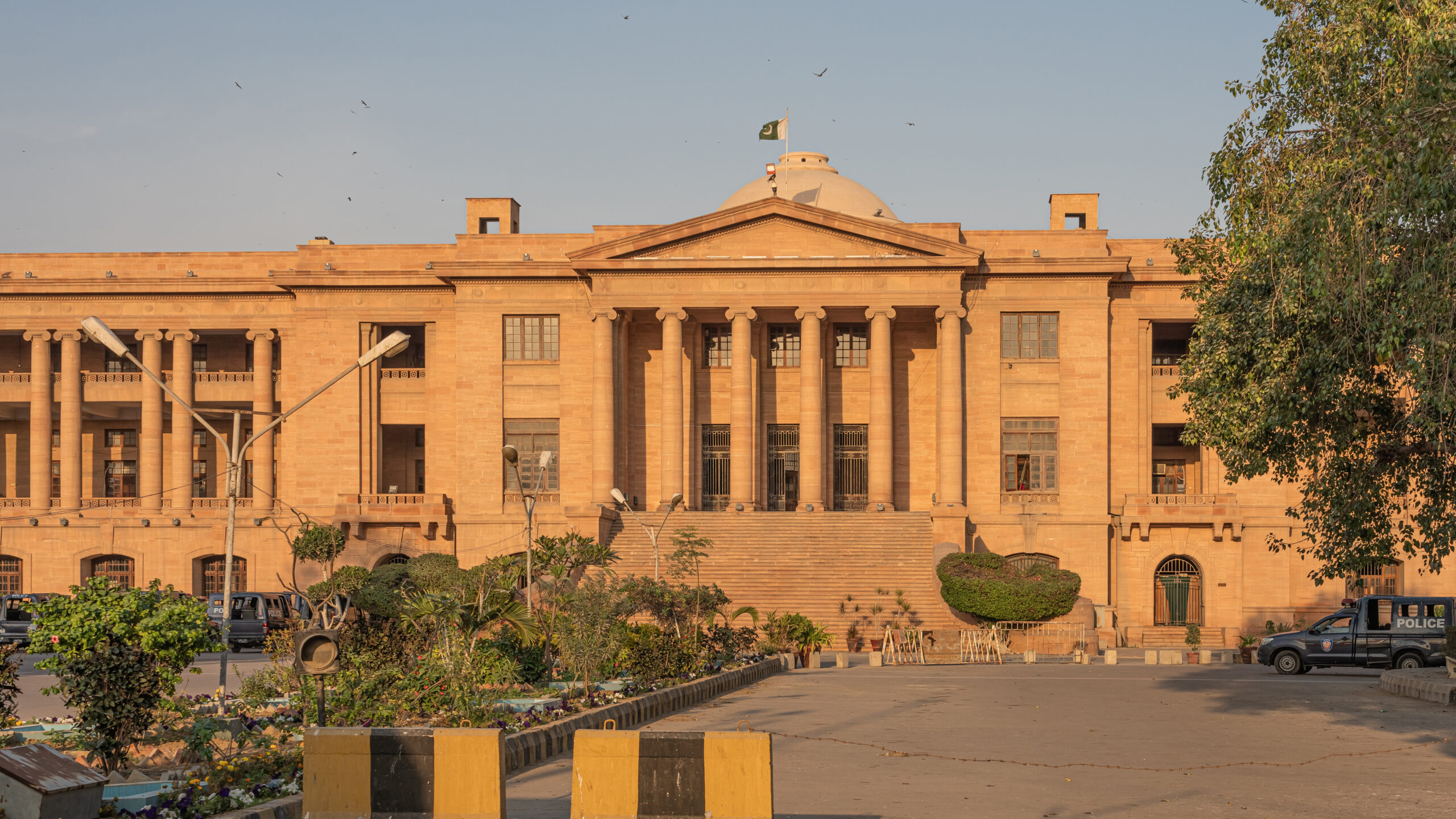
The FCC infrastructure cess ruling covers three sets of provisions. In Sindh, it struck down the charge under the Sindh Development and Maintenance of Infrastructure Cess Act, 2017, which applied to goods entering or leaving the province from or for places outside Pakistan by air or sea. The amount was worked out from the customs-assessed value of the goods, their weight and the distance travelled, and the Act itself ran retrospectively from 1 July 1994.
In Khyber Pakhtunkhwa, the court struck down the import, export and transit component of the KP Infrastructure Development Cess Act, 2022, as amended by the KP Finance Act, 2024, which had raised the charge to 2 per cent. It also struck down the province’s earlier charge under Section 94 of the KPK Finance Act, 2013, together with the 2014 Collection of Cess Rules.
The Peshawar High Court had dismissed 157 petitions challenging the KP legislation on 14 November 2025 and upheld the tax. That judgment now stands set aside, along with the Sindh High Court’s decision upholding the Sindh levy.
Why the provinces lost the case

The judgment rests on Article 142 of the Constitution and Part I of the Federal Legislative List. Entry 27 covers imports and exports across customs frontiers and interprovincial trade, while Entry 43 covers duties of customs, including export duties. The court held that because the levy was triggered by the movement of goods across international or provincial boundaries, it was in substance a customs duty — and only Parliament can impose one.
Applying the pith-and-substance test, the bench found that the goods attracted the levy “in their character as imports or exports”, making the encroachment on the federal field substantive rather than incidental. The provinces argued that the money paid for roads and other infrastructure used by the goods, but the court rejected that defence: spending the proceeds on a provincial purpose cannot create legislative power over a subject reserved for the federation.
The court also rejected the argument that the charge was a fee rather than a tax. A fee must bear a real and reasonable relationship to an identified service, the judgment says, and a general list of roads, schools, hospitals and parks does not establish one. Because the amount was largely based on the value of the goods, high-value cargo that causes little road wear paid more than heavy, low-value cargo. Article 163, which permits taxes on professions, trades and callings, did not help the provinces either, because the charge attached to individual consignments for being imported or exported. The court further held that the Sindh Act’s retrospective operation and its validation clauses could not cure an invasion of the exclusive federal field, and that fiscal need “cannot supply the missing power”.
What it means for companies and importers
The financial stakes are large. According to an Arif Habib Limited report, eleven Pakistan Stock Exchange-listed companies could benefit from about Rs42.9 billion in tax relief after the ruling, through the reversal of outstanding infrastructure cess liabilities and lower financing costs. Fauji Fertilizer Company, Indus Motor Company and Honda Atlas Cars are among the companies named in the report.
There is, however, no automatic cash refund. The order stops future enforcement and discharges securities, but it does not direct the provinces to return cess already paid. Individual disputes over payment, quantification and refunds are left to the appropriate administrative or judicial process, and past and closed transactions remain subject to the orders in each case. The ruling could also face review petitions, and companies are expected to wait for the detailed judgment before reversing liabilities they have already recognised.
The Federal Board of Revenue and the Additional Attorney General had supported the taxpayers in the case, although the bench stressed that this federal concurrence was not decisive, because legislative competence flows from the Constitution and not from agreement between governments. A detailed legal analysis of the judgment explains how the court dealt with each of the provinces’ defences in turn.
What happens next

Three questions will decide how far the judgment travels. The first is how the provinces respond: the court expressly allows a redesigned levy on goods manufactured and consumed entirely within a province, and Sindh and KP may legislate quickly to protect revenue. The second is the surviving domestic limb of the KP law, covering goods that never cross a border, which the court said requires separate constitutional analysis and on which it expressed no concluded opinion. The third is the refund litigation that is likely to follow, where the court’s reservations about past and closed transactions give the provinces room to resist.
For importers and exporters, the immediate effect is clear: the FCC infrastructure cess on imports, exports and goods in transit can no longer be enforced. For the provinces, the ruling redraws the boundary of their taxing power at a time when both are under pressure to raise their own revenue — a boundary the court has now drawn firmly in favour of Parliament.
Related coverage: airport outsourcing · PSO’s Oman fuel deal · IMF’s warning on growth
Related Posts
 BusinessElectricity Bills May Rise by Rs4.22 Per Unit in December as NEPRA Weighs Two Adjustments
 BusinessFoodAg 2026 Opens in Karachi Today: 400 Pakistani Exhibitors, Buyers from Over 70 Countries
 BusinessPakistan Flour Prices Hit Rs3,600 for 20kg Bag as 800,000 More Tonnes of Wheat Sought
 BusinessPakistan Seafood Exports Hit Record $568 Million as Minister Calls for Fisheries Modernisation
 BusinessPSO Signs Oman Fuel Supply Deal as OQ Trading Extends $200 Million Credit Line
 BusinessIran–Pakistan Free Trade Deal Nears Final Stage as Bilateral Trade Hits $6 Billion
Most Popular
 How-ToPTA Tax Calculator 2026: Check Mobile Tax on Any Phone421 views
 Pakistan NewsPIA Boeing 787 Lease Deal: What It Means for the Airline396 views
 Canada JobsTech Jobs in Canada: Roles, Salaries, and Skills Needed394 views
 SportsUEFA Champions League 2026-27: Format, Teams and Schedule390 views
 TechnologyPM Shehbaz Sets November Deadline for Alibaba AI and Digitalisation Projects in Pakistan370 views
 ShowbizWomen’s Fashion in Pakistan 2026: Trends, Brands and Style Guide366 views