Karachi delivery rider ‘DP Bruce’ arrested for allegedly selling FBI and CIA data
A food delivery rider from Karachi allegedly spent his nights selling some of the most sensitive data in the world. The National Cyber Crime Investigation Agency (NCCIA) says it has arrested Danish Pervaiz, a resident of Manzoor Colony, for allegedly acquiring and selling stolen databases linked to the FBI, the CIA and other United States government institutions.
The arrest was made on 11 November, but the agency disclosed the case in a statement on Friday 20 November. Investigators say Pervaiz operated online under the alias “DP Bruce” and used the cybercrime platform LeakBase and the messaging app Telegram to advertise and sell the stolen data. He was, according to investigators, one of the top posters in a group connected to major international data leaks.
By day, Pervaiz worked as a food delivery rider in Karachi. By night, he allegedly operated as a self-taught broker of stolen data on the dark web — a double life that has now made him one of the most talked-about cybercrime suspects in Pakistan this year.
Who is ‘DP Bruce’?

The alias itself tells part of the story. Pervaiz used Batman-inspired online identities — “DP Bruce Wayne” and “Gotham City” — across platforms, and he has related tattoos. Investigators even gave him a nickname of their own: “Tattoo Man”.
The Batman obsession was not just a username. According to the investigation, the same themed identities appeared across the forums and channels where the stolen databases were advertised. It was this trail, investigators say, that helped link the online persona to a real person delivering food on the streets of Karachi.
Nothing about his day job suggested the scale of what he is accused of doing after hours. He worked with consumer hardware and freely available dark-web tools, and he was paid, investigators allege, in cryptocurrency — including Bitcoin.
What data was allegedly for sale
The NCCIA says the compromised data related to some of the most prominent institutions in the United States: the Federal Bureau of Investigation (FBI), the Central Intelligence Agency (CIA), the US Department of State, the Department of Defence, several US police departments, and private businesses.
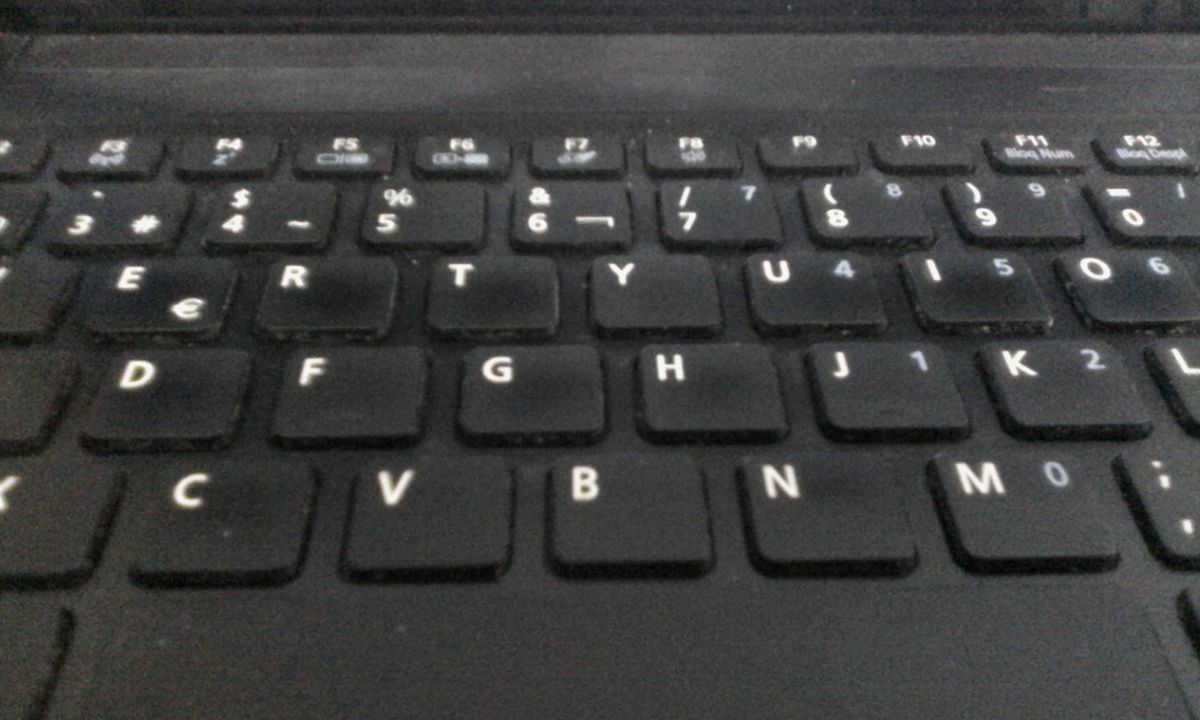
A preliminary technical examination of the seized laptop found multiple databases and files apparently containing sensitive information linked to those institutions. Digital evidence confirmed a LeakBase-labelled database containing personal data of US nationals, including law enforcement and intelligence personnel.
The agency has not said how many records were involved, how the data was originally obtained, or whether any of it has been verified as genuine by the US institutions named. Those questions remain open, and the allegations have not yet been tested in court.
How the NCCIA caught him

Pervaiz was not a new name to the agency. The NCCIA already had him on its radar before this arrest: an earlier case had been registered against him for allegedly stealing banking, medical and personal data of Chinese and other foreign nationals on dark-web forums. His laptop and mobile phone were seized during that first case.
It was the same laptop that led investigators to the US data. When new intelligence pointed to the sale of American government data, an NCCIA team raided his home in Manzoor Colony on 11 November. During interrogation, Pervaiz revealed that the US government data sat in hidden files and folders on the laptop investigators had already seized.
The tip that set the latest action in motion came from an international agency, according to the investigation. The NCCIA has not said which agency provided the tip, or whether American authorities asked for the arrest, cooperated in the investigation, or plan to seek his extradition.
The case against him: PECA charges and remand
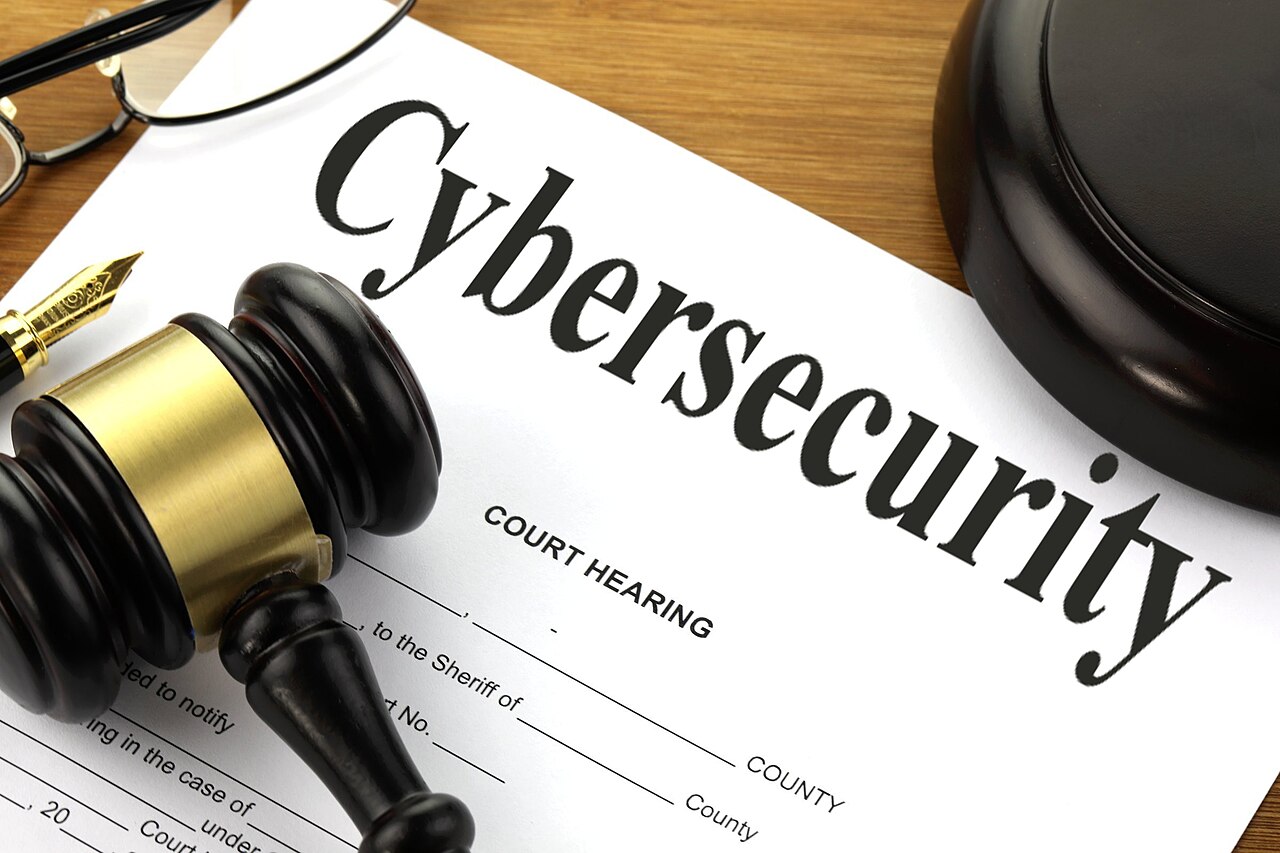
A criminal case has been registered at the NCCIA Police Station in Karachi under five sections of the Prevention of Electronic Crimes Act (PECA) 2016, as amended in 2025: Section 3 (unauthorised access to an information system or data), Section 4 (unauthorised copying or transmission of data), Section 13 (electronic forgery), Section 14 (electronic fraud) and Section 16 (unauthorised use of identity information).
On 13 November, Judicial Magistrate (East) Gulraiz Memon granted the NCCIA four days of physical remand for further interrogation.
Investigators have also pointed to a possible motive. Pervaiz was reportedly motivated in part by funding an online gambling and betting habit — a detail that connects this arrest to the wider crackdown on illegal online betting networks that the NCCIA has been pursuing in Karachi.
Crypto payments and the wider crackdown

The payments, investigators say, came through cryptocurrency transactions, including Bitcoin — the standard currency of dark-web marketplaces, where buyers and sellers hide behind wallet addresses rather than bank accounts.
The arrest is part of a much larger NCCIA campaign. A day before the “DP Bruce” statement, the agency said it had uncovered a financial network allegedly involved in illegal online betting, fraudulent business operations and suspected money laundering, with estimated transaction exposure of up to Rs1 trillion.
Earlier in November, the agency arrested 130 suspects, including nine women and four foreign nationals, in operations targeting international cyber fraud networks, illegal call centres, the sale of citizens’ personal information and online blackmailing. The NCCIA says it remains committed to dismantling networks involved in the illegal trade of stolen data and taking legal action against those involved in national and transnational cybercrime.
What happens next

For now, Pervaiz remains in NCCIA custody while the investigation continues. The agency says it will keep investigating the data trade and take action against cybercrime networks operating within and beyond Pakistan.
The case raises uncomfortable questions about Pakistan’s place in the global cybercrime landscape. A delivery rider operating from a residential neighbourhood in Karachi allegedly accessed, compiled and sold data belonging to the most powerful intelligence and law enforcement agencies in the world — using consumer hardware, freely available dark-web tools and cryptocurrency payment channels.
Whether the data is genuine, how it was obtained, and what happens to the suspect next will depend on what the investigation produces — and on whether the evidence holds up in court.
Related
Related Posts
 TechnologyADB Ventures Backs Pakistan’s Neem to Digitise Business Payments as 71% of Retail Trade Stays in Cash
 TechnologyGTA 6 Endings Explained: How Many Endings and How to Get the Best One
 TechnologyLUMS Wins Gates Foundation Grant to Build Pakistan’s First National AI Hub for Mothers and Newborns
 TechnologyMotorola Edge 70 Pro Now Available in Pakistan at Rs 174,999
 TechnologyAI Riemann Hypothesis Proof Confirmed True by Independent Mathematicians
 TechnologyVivo V80 Goes on Sale in Pakistan — ZEISS Cameras, 7,200mAh Battery, Price Starts at Rs 209,999
Most Popular
 How-ToPTA Tax Calculator 2026: Check Mobile Tax on Any Phone421 views
 Pakistan NewsPIA Boeing 787 Lease Deal: What It Means for the Airline396 views
 Canada JobsTech Jobs in Canada: Roles, Salaries, and Skills Needed394 views
 SportsUEFA Champions League 2026-27: Format, Teams and Schedule390 views
 TechnologyPM Shehbaz Sets November Deadline for Alibaba AI and Digitalisation Projects in Pakistan370 views
 ShowbizWomen’s Fashion in Pakistan 2026: Trends, Brands and Style Guide366 views