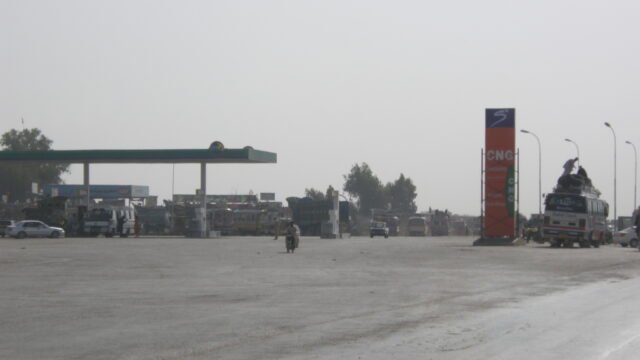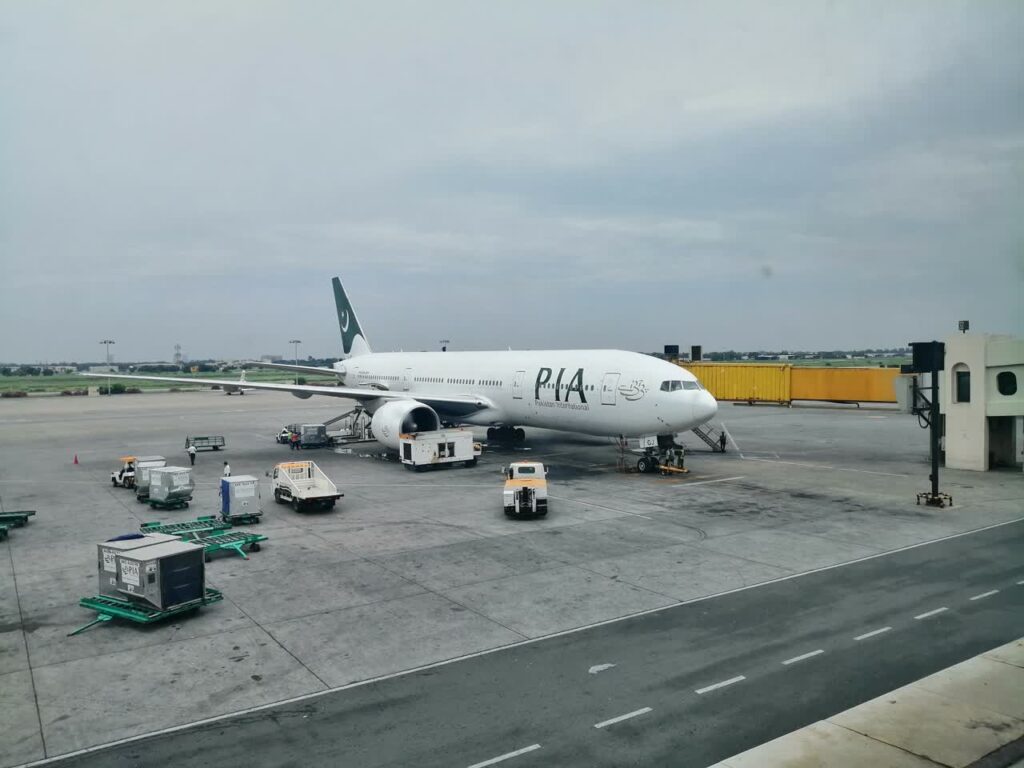
Pakistan hires EY-led consortium to advise on outsourcing Karachi and Lahore airports
Pakistan has taken a major step towards handing over the running of its two busiest international airports to the private sector. The Privatisation Commission has signed a financial advisory agreement with a consortium led by EY Middle East to prepare Jinnah International Airport in Karachi and Allama Iqbal International Airport in Lahore for outsourcing.
The Financial Advisory Services Agreement was signed in Islamabad on Thursday, 19 November 2026. It does not hand the airports to a private operator yet. Instead, the EY-led consortium will advise the government on how to structure the deals, so that private companies can eventually take over the operation, management and commercial development of both airports through concession or management contracts.
The signing ceremony was witnessed by Muhammad Ali, Adviser to the Prime Minister on Privatisation and Chairman of the Privatisation Commission, along with senior commission officials. The EY team was represented by Andre Olivenca of EY International and Zeeshan Hussain.
What the agreement covers

Under the agreement, the consortium will provide technical, financial, legal, environmental and commercial advice to support the proposed transactions. The Privatisation Commission says the work will follow international best practice and a transparent, competitive and market-driven process.
The aim is to bring private-sector expertise into airports that have long been run by the state. A private operator would be expected to run day-to-day operations, manage the terminals, develop commercial facilities such as shops and lounges, and invest in upgrading the airports — areas where state-run airports in Pakistan have often lagged behind regional competitors.
Both airports are among the busiest in the country. Jinnah International Airport serves Karachi, Pakistan’s largest city and commercial hub, while Allama Iqbal International Airport serves Lahore, the capital of Punjab. Together they handle a large share of the country’s international passengers, and their condition shapes the first impression millions of travellers get of Pakistan each year.
Who is in the EY-led consortium
EY, formerly Ernst & Young, leads the consortium as the financial adviser. It is joined by ALG Global Infrastructure Advisors and Multidimension, while the legal advice comes from Freshfields and Haidermota & Co.
The consortium was picked through a competitive process. In August 2026, the Privatisation Commission identified the group led by EY-Parthenon as the top-ranked interested party, and a negotiation committee was then formed to finalise the advisory agreement with the successful group.
What outsourcing could be worth
Each of the two airports is expected to attract more than 500 million dollars in fresh investment once a private operator takes over, according to reports of the deal. That would make the two transactions among the largest privatisation deals in Pakistan in recent years.
The government sees airport outsourcing as part of its wider privatisation programme, which is also tied to the country’s 7 billion dollar loan programme with the International Monetary Fund. Selling or outsourcing state assets is one of the commitments Pakistan has made under that programme, and the Privatisation Commission has described the signing as an important milestone in the programme.
For passengers, the promise of outsourcing is better-run airports: shorter queues, cleaner terminals, more reliable services and more shops and food outlets. The risk, which travellers in other countries have seen when airports changed hands, is higher charges — something the government will have to manage when it sets the terms of the concession contracts.
A decision three years in the making
The plan to outsource the airports is not new. The government first decided in December 2022, under the premiership of Shehbaz Sharif, to outsource the management of the Karachi, Lahore and Islamabad airports under a public-private partnership.
Progress was slow at first. The outsourcing was initially pursued through government-to-government arrangements, but earlier this year the government shifted to an open bidding process after strong interest from investors. The open process is meant to bring transparency and fair competition to the deals.
Islamabad International Airport is not part of this advisory agreement, which covers only Karachi and Lahore. The government has not said when a similar adviser will be appointed for Islamabad.
What happens next
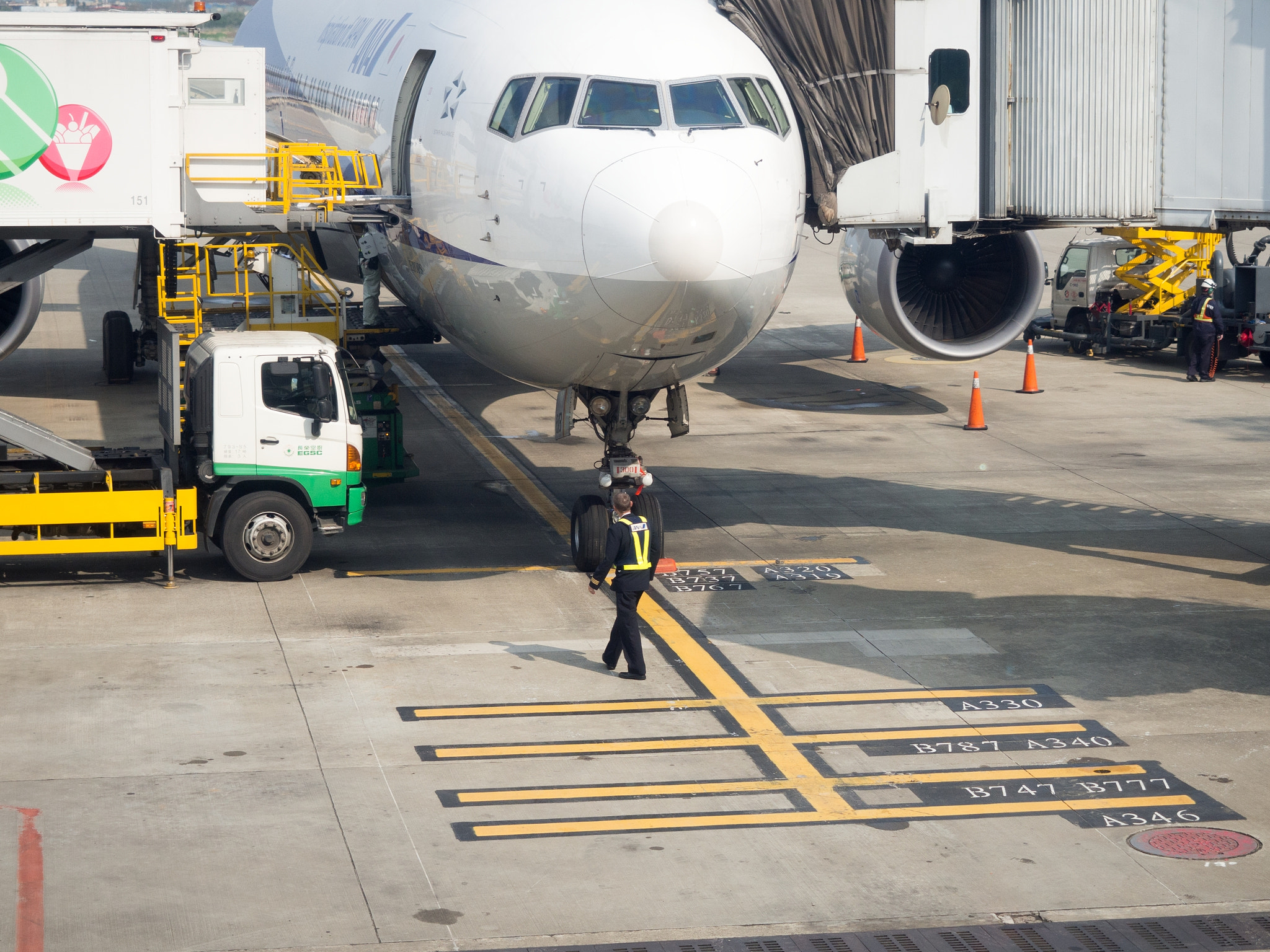
The consortium will now work on the transaction structure for both airports — the technical studies, the financial modelling, the legal framework and the commercial terms — before the government invites private operators to bid.
No date has been announced for the bidding, and no operator has been chosen. The advisory agreement is the first formal step: it turns a three-year-old policy decision into a structured transaction with a timetable, a framework and an adviser whose job is to make the deals attractive enough for serious investors while protecting the public interest.
If the process stays on track, Karachi and Lahore could have private operators within the coming years — a change that would end decades of state management at Pakistan’s two biggest gateways.
Related Posts
 BusinessPetrol Price Cut by Re1 to Rs322, Diesel Up by Rs2 to Rs357 From 21 November
 BusinessECC Approves Sugar Export of 416,000 Tonnes in Third Permission This Season
 BusinessPakistan’s Natural Resources Worth $10 Trillion, Says Dar as Turkish Ship Oruç Reis Begins Offshore Survey
 BusinessEmirates Named World’s Best Airline for 2027 in TIME’s Inaugural Ranking
 BusinessThar Coal Mining Shifts from Diesel to National Grid by April 2028
Most Popular
 How-ToPTA Tax Calculator 2026: Check Mobile Tax on Any Phone421 views
 Pakistan NewsPIA Boeing 787 Lease Deal: What It Means for the Airline396 views
 Canada JobsTech Jobs in Canada: Roles, Salaries, and Skills Needed392 views
 SportsUEFA Champions League 2026-27: Format, Teams and Schedule390 views
 TechnologyPM Shehbaz Sets November Deadline for Alibaba AI and Digitalisation Projects in Pakistan370 views
 ShowbizWomen’s Fashion in Pakistan 2026: Trends, Brands and Style Guide366 views