Sindh has announced a Rs5.3 billion assistance package for 220,000 low-income families in drought-hit Tharparkar, with monthly cash payments starting from 1 December.
Chief Minister Murad Ali Shah announced the package on Friday, 20 November, saying the money will reach families through the Benazir Income Support Programme (BISP) database. Each selected household will receive Rs8,000 a month, paid in three instalments scheduled for 1 December, 1 January and 1 February.
The announcement brings long-awaited relief to a district where the rains failed and crops withered, leaving families dependent on daily labour and livestock that now have little to eat.
What the Rs5.3 Billion Package Covers
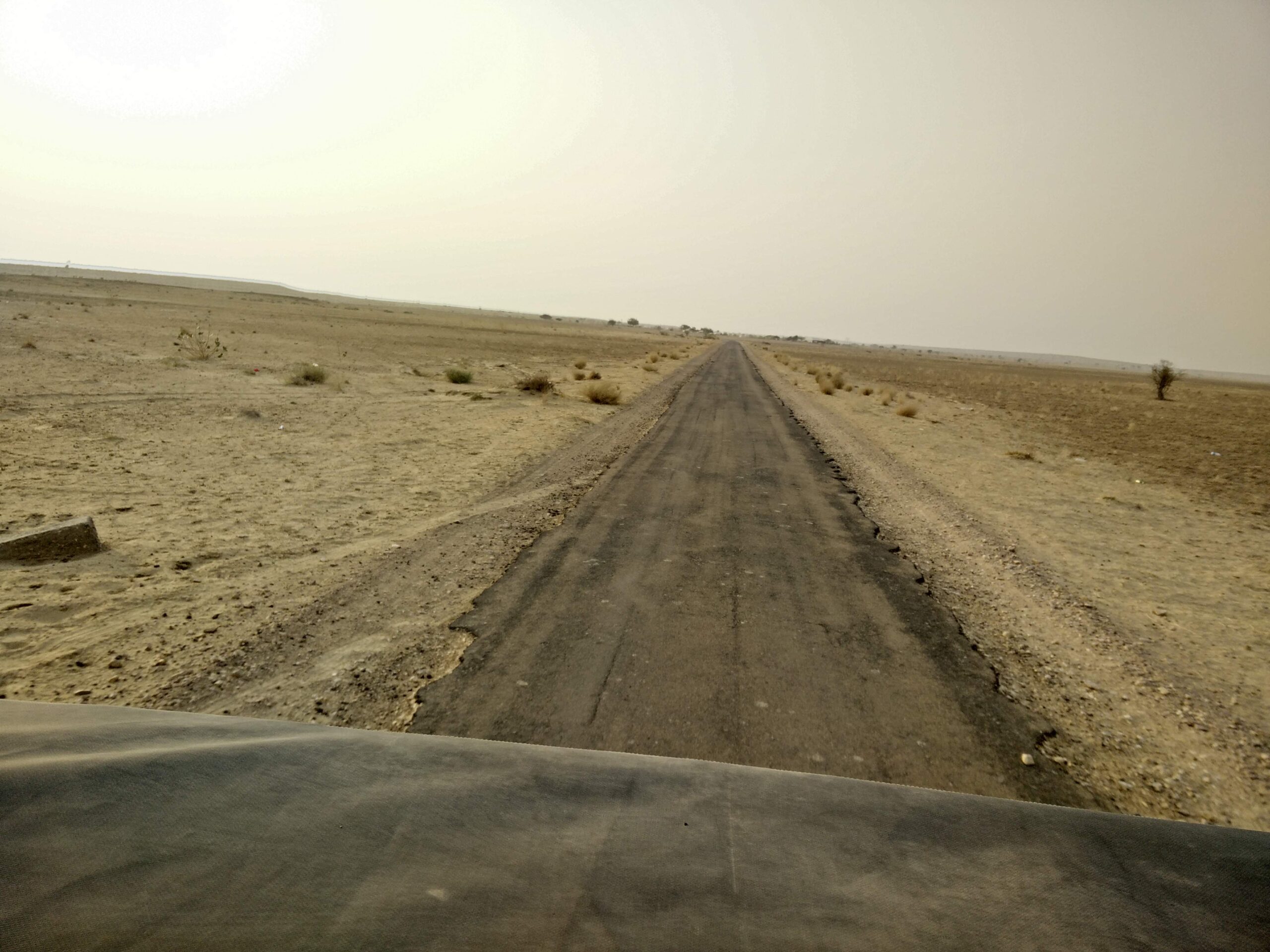
The package is aimed squarely at the poorest households in Tharparkar, one of the most drought-prone districts in Sindh. The money is intended to help families buy wheat, feed their livestock and meet other urgent household costs during the dry months ahead.
Officials said a survey is already under way to identify the affected households, and that relief work will be monitored daily. The Chief Minister said all available resources would be used to reach the families who need help most.
The package also covers drought-affected families in neighbouring Umerkot, where the same dry conditions have damaged crops and grazing land.
Who Qualifies: Poverty Score Raised to 40
Eligibility for the aid is decided through BISP records. The Sindh government has raised the eligibility threshold from a poverty score of 32 to 40, so that more deserving families can qualify.
Families with poverty scores from zero to 40 can now qualify for the payments. The change matters because many households that were just above the old cut-off were still struggling after the drought destroyed their crops, and they would previously have been left out.
Beneficiaries are being identified transparently through the BISP database. They are also being geo-tagged, and digital wallet accounts are being opened for them so that payments can reach them directly.
When the Money Will Arrive
Each selected household will receive Rs8,000 a month in three instalments. The first payment is scheduled for Tuesday, 1 December, followed by the second on Friday, 1 January 2027 and the third on Monday, 1 February 2027.
Six banks have been authorised to facilitate the payments. A dedicated control centre is being set up at the Deputy Commissioner’s office in Tharparkar to handle complaints from beneficiaries, including problems such as illegal deductions by payment-device operators.
The BISP digital wallet system already allows beneficiaries to withdraw funds from any of the partner banks, which should make it easier for families in remote desert villages to collect their payments.
Why Tharparkar Needs the Support Now
Tharparkar was declared a calamity-hit district after drought destroyed or rendered unproductive 85 to 90 per cent of the cultivated crops across its seven talukas. For families who depend on rain-fed farming and livestock, the failed season means lost income and shrinking food stocks at the same time.
The groundwork for the package was laid earlier this month. On Monday, 9 November, BISP Chairperson Senator Rubina Khalid chaired a meeting at the Deputy Commissioner’s office in Mithi, where she said the Sindh government had prepared a special assistance programme for poor families hit by the drought.
She said the new assistance would be paid in addition to the support families already receive under BISP. According to BISP Director General Sanaullah Rind, about 126,000 women in Tharparkar already benefit from BISP, and nearly 152,000 children receive assistance under a related programme.
What Families Can Spend the Money On
The Chief Minister said recipients would not be required to spend the aid on specific goods and could use it according to their own needs. The amount is intended mainly to cover wheat, livestock feed and other essential costs, but families will decide for themselves what matters most.
That flexibility is important in Tharparkar, where needs vary from village to village. Some families need fodder to keep their animals alive through the dry season, while others need food grains or cash for medical expenses and children’s schooling.
At the same ceremony, the Chief Minister also announced the Wheat Growers Support Programme 2026-27. Under that programme, eligible growers holding up to 25 acres will receive Rs4,000 per acre, growers supplying wheat to the Food Department will receive Rs2,000 per maund, and the wheat support price has been fixed at Rs4,500 per maund.
For the families of Tharparkar, the immediate hope is simpler: that the first Rs8,000 instalment reaches them on 1 December, before the hardest weeks of the dry season set in.
Sources: Abb Takk; Sixty (ARY News Urdu)
Related Posts
 Pakistan NewsPunjab CCD Starts Checking Students’ School Bags for Vapes and Cigarettes Outside Schools
 Pakistan NewsExcel Diagnostic Lab CEO Arrested in Islamabad Over Fake Flu Vaccines
 Pakistan NewsMusadik Malik in New Delhi: First Pakistani Minister to Visit India Since 2023 Addresses SCO Forum
 Pakistan NewsFaisalabad TikTok Prankster Mian Asif Arrested for Harassing Citizens in Prank Videos
 Pakistan NewsPhone Explodes on Bahawalpur E-Bus: Passengers Jump From Moving Bus as Smoke Fills Cabin
 Pakistan NewsGovernment Finds Corruption Risks in 25 Federal Institutions, Proposes 400 Reforms
Most Popular
 How-ToPTA Tax Calculator 2026: Check Mobile Tax on Any Phone421 views
 Pakistan NewsPIA Boeing 787 Lease Deal: What It Means for the Airline396 views
 Canada JobsTech Jobs in Canada: Roles, Salaries, and Skills Needed392 views
 SportsUEFA Champions League 2026-27: Format, Teams and Schedule390 views
 TechnologyPM Shehbaz Sets November Deadline for Alibaba AI and Digitalisation Projects in Pakistan370 views
 ShowbizWomen’s Fashion in Pakistan 2026: Trends, Brands and Style Guide366 views