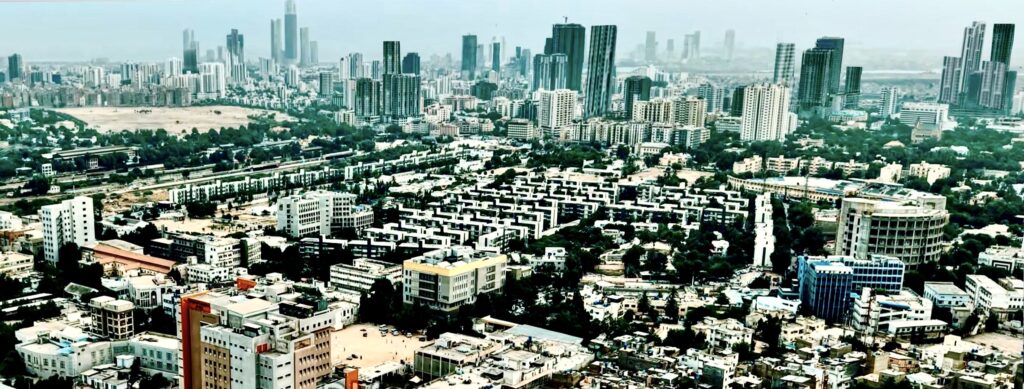
Karachi is about to come under far closer watch. The Sindh Cabinet has approved Rs5.766 billion for Karachi Safe City Phase-II, the next stage of the city’s camera surveillance network, and directed that the system be commissioned within 18 months. The decision was taken at the cabinet meeting on Thursday, and it puts one of Pakistan’s largest urban surveillance projects back on a firm timetable.
The approval covers more than 2,300 new cameras across Karachi. Once installed, they will feed into a command and control system that the provincial government says will help police prevent street crime, trace vehicles and manage traffic in a city of more than 20 million people.
Karachi Safe City Phase-II: What the Sindh Cabinet Approved
The cabinet approved Rs5.766 billion for the equipment and installation work of Phase-II and set an 18-month deadline for commissioning the system. Senior Minister Sharjeel Inam Memon, speaking to the media after the meeting, said the contract is being executed on a government-to-government basis and has not been awarded to any private company.
Chief Minister Syed Murad Ali Shah directed Home Minister Ziaul Hassan Lanjar to personally monitor progress and make sure the work finishes within the stipulated period. The cabinet’s decision follows months of discussion over the scope and cost of the second phase, and it gives the project a clear funding release and a deadline for the first time in the current financial year.
2,300 Cameras: What Each Type Will Do
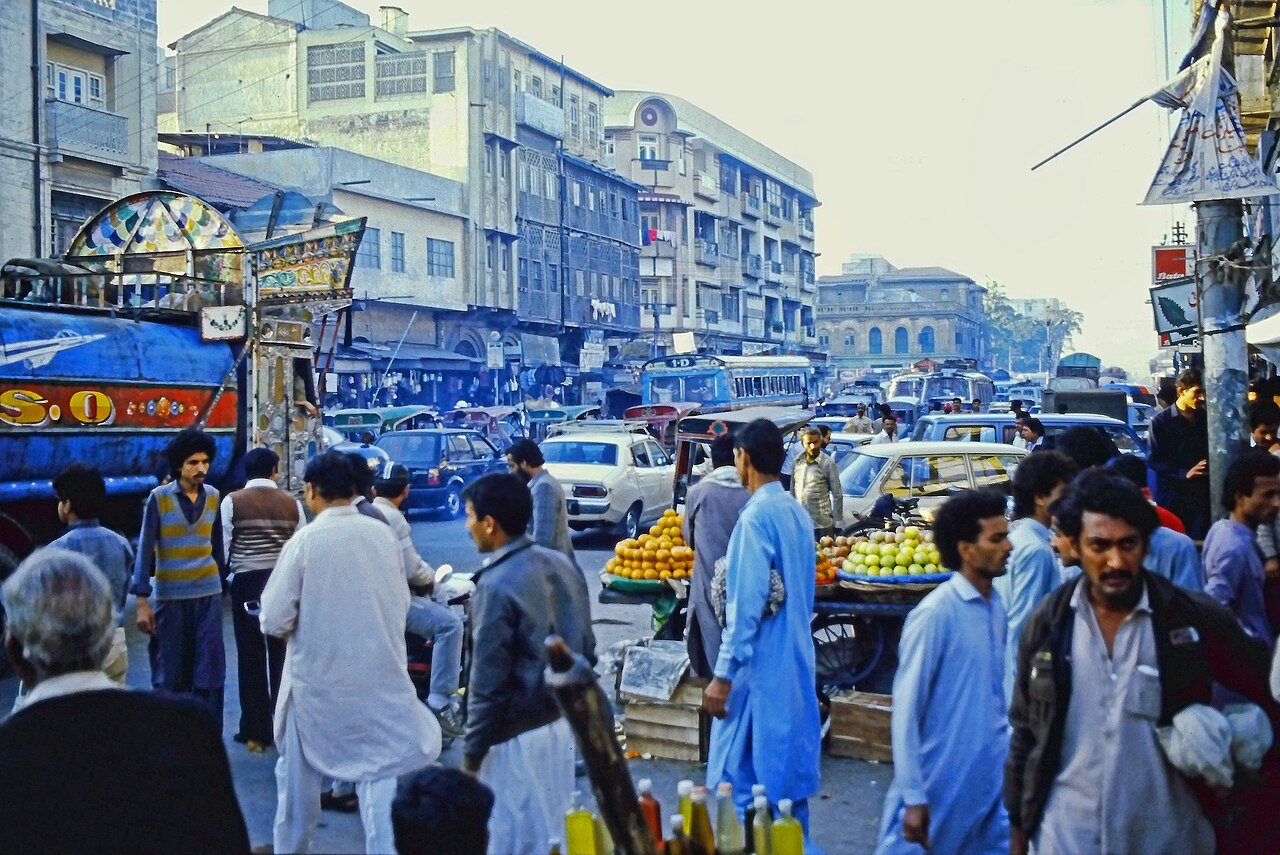
Phase-II will install more than 2,300 cameras across the city. Of these, 870 will be used for general surveillance, 1,300 will carry Automatic Number Plate Recognition (ANPR) and facial recognition capabilities, and 80 will be used for traffic enforcement.
The ANPR cameras can read vehicle registration plates automatically, which police can use to trace stolen cars, identify vehicles linked to crimes and enforce traffic rules. The facial recognition cameras add a further layer, allowing the system to match faces against police records. The traffic enforcement cameras will support fines and monitoring on busy roads, where manual policing has long struggled to keep up with the volume of vehicles.
Together, the cameras are meant to cover the city’s main roads, commercial areas and high-risk zones, extending a network that began with Phase-I, launched on 31 May 2024.
The Rs9.406 Billion Cost and the NRTC Contract
According to a CM House press statement, the project has an approved cost of Rs9.406 billion. The contract value with the National Radio and Telecommunication Corporation (NRTC) stands at Rs8.871 billion, with the cabinet approving Rs5.766 billion for equipment and installation in this round.
The government-to-government arrangement means the work will be carried out through a state-owned corporation rather than a private contractor. The government has presented this as a safeguard for transparency, though it has not yet published a detailed breakdown of how the funds will be spent across cameras, networking, the command centre and maintenance.
The project cost was earlier estimated at about Rs9.98 billion when the chief minister approved the Phase-II scope in April 2026. That earlier plan envisaged 2,314 smart cameras, including 56 mobile surveillance units and eight cameras dedicated to traffic signal monitoring.
18 Months to Commission the System
The cabinet has given the project 18 months to be commissioned, with the home minister personally responsible for monitoring progress. That deadline is tighter than it sounds: installing thousands of cameras across a city the size of Karachi requires civil works, power connections, fibre links and a command centre capable of handling the video feeds.
The Safe City Authority will have to coordinate with the police, the city’s district administrations and the power utilities to keep the work on schedule. Previous phases of the project have faced delays, and the government will be judged on whether this deadline holds.
What Happens After Phase-II
After all phases are complete, the project will cover more than 2,000 locations with nearly 10,000 cameras, according to the figures released with the cabinet decision. That would make Karachi’s surveillance network one of the largest of its kind in the country.
The expansion is part of a wider push to use technology in public safety. The same cabinet meeting also approved 500 electric buses for Karachi at a cost of Rs37.97 billion, showing that the provincial government is pairing its surveillance plans with investment in public transport and city services.
Karachi’s Bigger Safe City Picture
The Safe City project is one of several technology-led initiatives the government is using to modernise policing and city management in Karachi. Pakistan’s wider digital governance push has also been recognised internationally, with the country climbing 17 places to 119th in the UN E-Government Development Index 2026. Read also: Pakistan Rises 17 Places to 119th in UN E-Government Index 2026
The government has also been expanding its use of technology for monitoring in other areas. The Pakistan Telecommunication Authority recently approved an advanced firewall licence to strengthen monitoring of social media and digital platforms. Read also: PTA Approves Advanced Firewall to Strengthen Social Media Monitoring in Pakistan
For Karachi’s residents, the test of Phase-II will be practical: whether the cameras actually deter street crime, help police solve cases faster and make the roads safer. The funding is now approved and the clock is running. The next 18 months will show whether the system delivers on its promise.
Sources: TechJuice — Karachi to Get 2,300 More Surveillance Cameras Under Safe City Plan | The News — Sindh cabinet approves 500 electric buses for Karachi
Related Posts
 TechnologyPTA Approves Advanced Firewall to Strengthen Social Media Monitoring in Pakistan
 TechnologyUfone and Telenor Partner with Xiaomi to Bring Redmi 17 5G with Bundled Data Plans
 TechnologyVGO TEL Tops Pakistan’s Local Mobile Phone Assembly in 2026 With 3.5 Million Handsets
 TechnologyAlibaba DigiSME Reaches 2,000 Pakistani SMEs in 100 Days as Export Orders Grow
 TechnologyNADRA Extends Digital Nikah Registration to Islamabad and Quetta via PakID
 TechnologySyngenta Group to Bring Advanced Hybrid and Biotech Seed Technologies to Pakistan
Most Popular
 How-ToPTA Tax Calculator 2026: Check Mobile Tax on Any Phone421 views
 Pakistan NewsPIA Boeing 787 Lease Deal: What It Means for the Airline396 views
 Canada JobsTech Jobs in Canada: Roles, Salaries, and Skills Needed392 views
 SportsUEFA Champions League 2026-27: Format, Teams and Schedule390 views
 TechnologyPM Shehbaz Sets November Deadline for Alibaba AI and Digitalisation Projects in Pakistan370 views
 ShowbizWomen’s Fashion in Pakistan 2026: Trends, Brands and Style Guide366 views