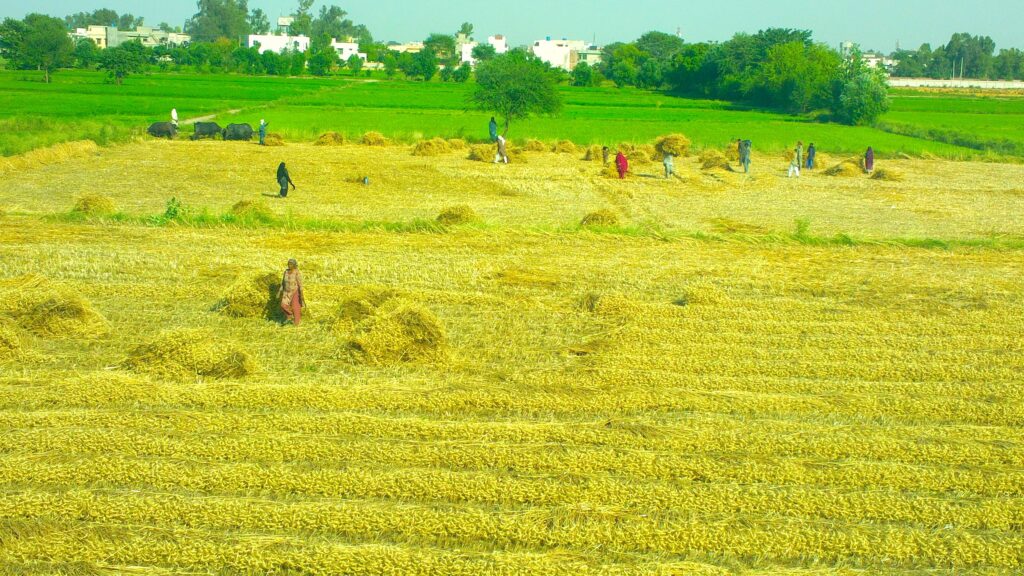
Syngenta Group is set to bring advanced hybrid and biotech seed technologies to Pakistan, after a senior delegation from the global agriculture company held high-level meetings in Lahore and Islamabad. The visit was first reported by BizTimes. The visit was led by Minjie Ying, Head of Seeds Business for Africa, Middle East and Asia at Syngenta Group, who was accompanied by Syngenta Pakistan’s country leadership team. Discussions focused on introducing new seed technologies across five key crops — cotton, corn, hybrid wheat, rice and sunflower — and on strengthening Pakistan-China collaboration to support agricultural productivity and food security.
The meetings signal a fresh push to put modern seed science into the hands of Pakistani farmers, at a time when the government is trying to raise farm output, cut dependence on imported inputs and protect harvests against changing weather. For a country where agriculture still employs a large share of the workforce and feeds the wider economy, better seed can mean the difference between a good season and a lost one.
Syngenta Hybrid Biotech Seed Pakistan: What Was Agreed in Lahore

In Lahore, Ying and the Syngenta Pakistan team — Country General Manager Zeeshan Baig, Head of Corporate Affairs Syed Ali Murtaza and Head of Field Crops Khurram Shahzad — met officials from the Agriculture Department, Punjab. The meeting was chaired by Syed Ashiq Hussain, Minister for Agriculture, Punjab. It built on previous engagements between Syngenta Group China’s leadership and the Government of Punjab in Beijing last year, and the Punjab government assured the delegation of its full support for bringing the new technologies to the province.
Punjab grows the bulk of Pakistan’s cotton, wheat and corn, so the province is the natural starting point for any seed programme. The discussions in Lahore covered how advanced hybrid and biotech varieties could be introduced to farmers there, and what support the provincial government would provide to make that happen.
Islamabad Meetings: Biotech Imports, Cotton Approvals and Tax Rules
In Islamabad, the delegation met the Federal Minister and Secretary for National Food Security and Research, the Chairman of the National Agri-Trade and Food Safety Authority (NAFSA), representatives from the Prime Minister’s Office, and the Federal Secretary for Commerce. The talks went beyond seed varieties and into the rules that decide whether new technology can actually reach the field.
Discussions covered regulatory matters concerning biotech seed imports and cotton variety approvals, taxation and customs classification of biological products, and pesticide shelf-life regulations — all with reference to international practices and scientific evidence. These are the practical hurdles that have slowed the arrival of new seed technology in Pakistan in the past, and sorting them out is a necessary step before any variety can be sold to farmers.
Cotton, Corn, Hybrid Wheat, Rice and Sunflower in Focus
The engagements explored new seed technologies across key crops, particularly cotton, corn, hybrid wheat, rice and sunflower. Each of these crops matters to Pakistan in a different way: cotton feeds the textile industry, the country’s biggest export earner; corn is a growing feed and food crop; wheat is the staple food; rice is a major export; and sunflower offers a home-grown source of edible oil in a country that imports most of its cooking oil.
Hybrid wheat is already on the agenda in Pakistan — researchers at the University of Agriculture Faisalabad and Guard Agriculture have been working on hybrid wheat seed targeting 98 maunds per acre. Syngenta’s entry would add global breeding expertise and biotech traits to that local effort, potentially speeding up the arrival of higher-yielding, more resilient varieties.
National Agricultural Biotechnology Policy Opens the Door
These engagements also come in the context of the Government of Pakistan’s recent approval of the National Agricultural Biotechnology Policy — a framework that gives companies and researchers clearer rules for developing and introducing biotech crops. The policy is intended to encourage investment in agricultural biotechnology while keeping safety and regulatory oversight in place, and Syngenta’s visit is one of the first signs of international interest following its approval.
For the government, the timing matters. Pakistan’s farm sector faces falling water availability, hotter summers and more erratic rains, and varieties that can cope with those stresses are becoming a necessity rather than a luxury. A clear policy, plus a willing global partner, could help new seed reach farmers faster than the slow, case-by-case approvals of the past.
What Advanced Seed Technology Means for Pakistani Farmers
For farmers, the Syngenta hybrid biotech seed Pakistan programme could mean seed that yields more from the same land, stands up better to pests and disease, and copes with heat and water stress. Hybrid seed generally produces stronger, more uniform plants than farm-saved seed, while biotech traits can add resistance to specific pests or herbicides — cutting losses and reducing the number of sprays a crop needs.
Syngenta has also been developing new biological tools for farmers. In September 2026 the company unveiled EXORT, a technology that uses molecules found naturally in plants — microRNAs — to lift yields in rice, corn and soybeans without farmers having to change how they work their fields. The company says it tested the technology from 2022 to 2025 in 240 field trials across more than 15 countries, and the first EXORT-based product is scheduled to reach the market in 2027. Technologies of this kind show the direction seed science is heading, and the kind of innovation Pakistan’s farmers could gain access to.
Pakistan-China Agriculture Partnership Grows
The visit fits a wider pattern of Pakistan-China cooperation in agriculture, which has been growing alongside the trade and infrastructure ties between the two countries. China and Pakistan recently launched joint agri-research platforms at the Lahore tech expo, and seed technology is a natural next step — China is one of the world’s largest seed markets, and its companies have been expanding their presence in South Asia.
Through these engagements, Syngenta reaffirmed its commitment to working with the Government of Pakistan to advance agricultural innovation, support farmers and contribute to a more productive and resilient agricultural sector. If the Syngenta hybrid biotech seed Pakistan plan moves from talks to trials and then to farmers’ fields, it could mark one of the most significant upgrades to the country’s seed supply in years. For now, the meetings in Lahore and Islamabad have opened the door — the next test will be how quickly the new varieties clear approvals and reach the farmers who need them.
Related Posts
 TechnologyBahria University Launches AI Flood Forecasting Platforms SAILAB and SAIR
 TechnologyNCCIA Arrests Karachi Man for Allegedly Selling Stolen FBI and CIA Data
 TechnologyAlphaX Brings Zero-Fee Crypto Trading to Pakistan
 TechnologyBinance Hacker Moves Another $248 Million in Ethereum After $6.5 Billion Court Freeze
 TechnologyPakistan Rises 17 Places to 119th in UN E-Government Index 2026 — Score Jumps 23%
 TechnologyPunjab Smart Glasses Ban Extended for 30 Days — Hidden Cameras, Court Hearing and What’s Next
Most Popular
 How-ToPTA Tax Calculator 2026: Check Mobile Tax on Any Phone421 views
 Pakistan NewsPIA Boeing 787 Lease Deal: What It Means for the Airline396 views
 Canada JobsTech Jobs in Canada: Roles, Salaries, and Skills Needed392 views
 SportsUEFA Champions League 2026-27: Format, Teams and Schedule390 views
 TechnologyPM Shehbaz Sets November Deadline for Alibaba AI and Digitalisation Projects in Pakistan370 views
 ShowbizWomen’s Fashion in Pakistan 2026: Trends, Brands and Style Guide366 views