The man behind the iPhone’s camera has left Apple. Jon McCormack, the company’s vice president of camera and photo software engineering, retired at the end of October after more than eight years at Apple, according to a report from Bloomberg’s Mark Gurman published on 19 November.
McCormack oversaw the iPhone’s Camera and Photos apps and the technology underneath them — the software that decides how the phone captures, processes, stores and edits every photograph and video. For a company whose camera is one of the main reasons people buy an iPhone, his was one of the most important engineering jobs in Cupertino.
Apple has not named a direct successor. Instead, McCormack’s former deputies have taken over his responsibilities under other executives, with software chief Craig Federighi — to whom McCormack reported — managing the transition. Apple has not publicly announced the departure, and a spokesperson declined to comment.
Eight Years Behind the iPhone Camera
McCormack joined Apple in 2018 as vice president of camera and photo engineering, after senior roles at Amazon and Hewlett-Packard. He was also a photographer and conservationist in his own right, and he was only occasionally interviewed in public about his work — a low profile for someone responsible for a feature used by hundreds of millions of people every day.
During his eight years, the iPhone camera changed dramatically. Computational photography — the software that merges multiple frames, balances light and shadow, and decides what a photograph should look like before the user ever sees it — became as important as the lenses and sensors themselves. McCormack’s team sat at the centre of that shift, tying image-processing algorithms to Apple’s custom silicon and optical hardware.
His team also led the work behind the iPhone 18 Pro’s variable-aperture camera, according to reports of the transition — a sign of how far the camera programme had travelled under his leadership, from a single fixed lens to a system that adjusts itself to the scene.
Why the Camera Matters So Much to Apple
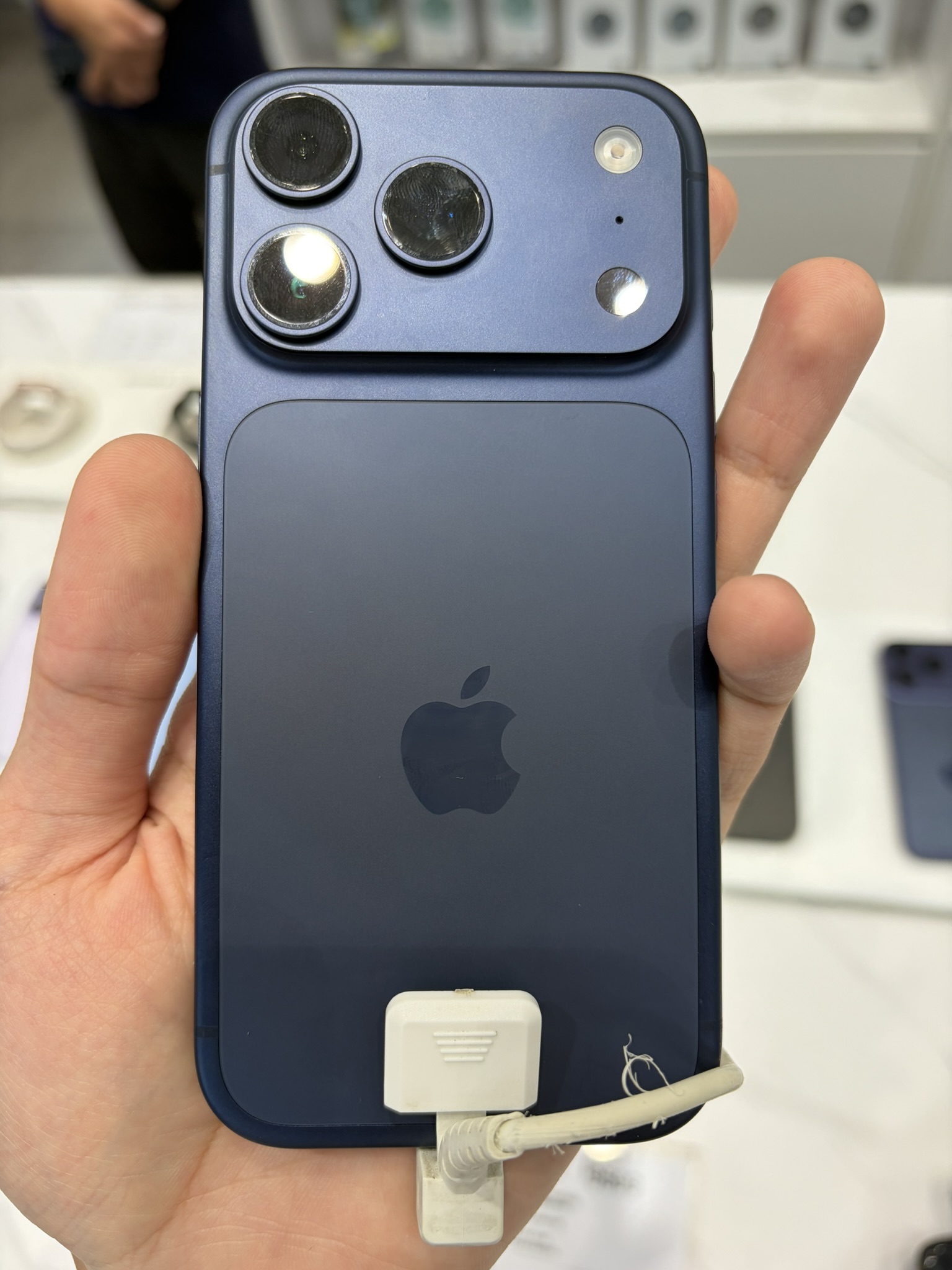
The iPhone camera is not a side feature. For most buyers it is the first thing they test in a shop and the feature they use every single day. Apple has built its marketing around it for years, and the camera is routinely the headline upgrade in each new iPhone — the reason many owners decide to trade in a phone that still works perfectly well.
That makes the leadership of the camera team a matter of real consequence for Apple’s product line. The Camera and Photos apps are also among the most-used pieces of software on the planet, and every change to how they process an image is noticed — and argued over — by photographers, reviewers and ordinary users alike.
McCormack was known inside the company as someone who believed photographs should stay faithful to the moments they captured. Bloomberg’s sources say his retirement was not caused by a disagreement with Apple over its artificial intelligence strategy, despite that reputation — a point the report makes explicitly, and one worth stating plainly given how easily a quiet departure can be misread.
No Successor, and a Wider Changing of the Guard
Apple’s decision not to appoint a direct vice president to replace McCormack is itself notable. Splitting the role among deputies suggests the company sees camera software as a team effort now rather than a single leader’s domain — or that it is still deciding what the next structure should look like.
The departure is also part of a wider changing of the guard at Apple. McCormack’s retirement follows Apple Pay chief Jennifer Bailey’s departure around the same time, and it comes as chief executive John Ternus trims management layers to speed up decisions after taking over from Tim Cook in September. A small but growing series of senior retirements is reshaping the company’s top ranks.
For now, the camera programme continues under Federighi’s oversight. The deputies who absorbed McCormack’s duties know the systems well — they built them. But the absence of a named successor leaves an open question about who will own the next big camera decision, and who will be accountable for it when the next iPhone launches.
What It Means for iPhone Users in Pakistan
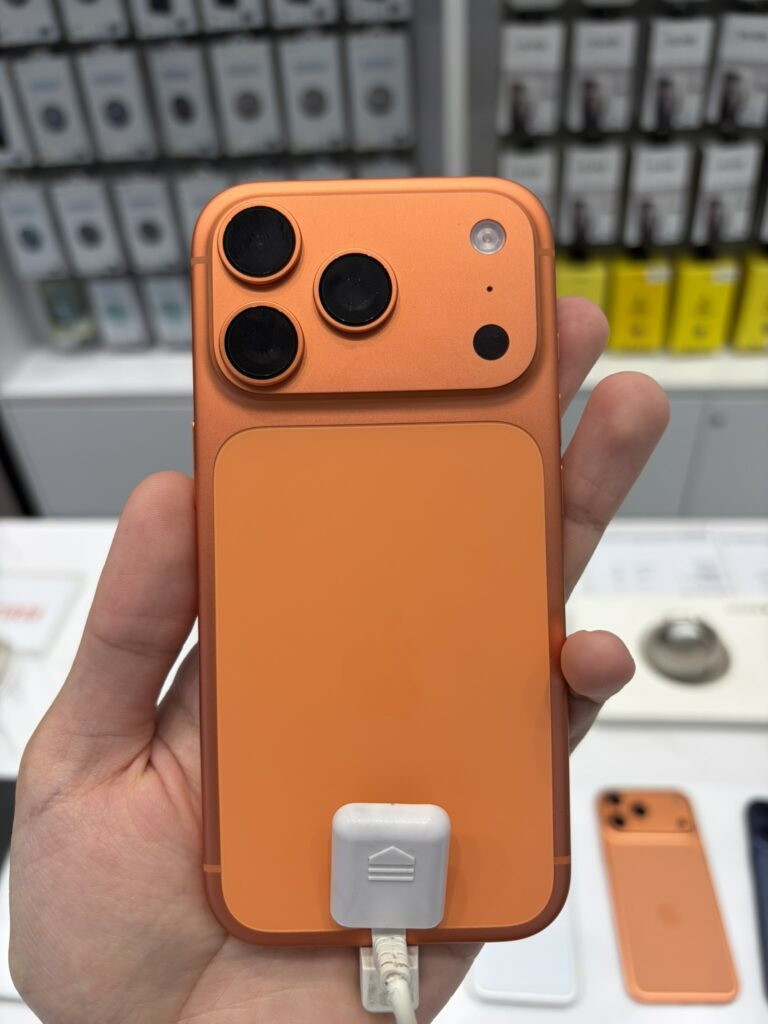
For Pakistani iPhone users, the news is unlikely to change anything in the short term. The camera software in the phone in your pocket was built under McCormack’s leadership, and the team that built it is still there. The iPhone 17 Pro, with its redesigned camera plateau, and the iPhone 18 Pro’s variable-aperture system are already in the pipeline or on sale.
The longer-term question is about direction. The next few iPhone generations will show whether Apple keeps McCormack’s philosophy — photographs that stay true to what the camera actually saw — or leans harder into generative AI that creates or alters images. That debate is happening across the whole industry, and the person who replaces him, whenever Apple names one, will help decide where Apple lands.
What is certain is that one of the quietest, most consequential jobs at Apple has changed hands without a press release. The camera in the next iPhone will be the first real answer to what that change means.
Read more: MacRumors on the iPhone camera chief’s retirement and AppleInsider on Jon McCormack’s retirement.
Related Posts
 TechnologyGTA VI Sells 24.6 Million Copies on Day One — $2.36 Billion in Estimated Sales
 TechnologyGTA 6 Sales Pass $2.36 Billion on Day One as 24.6 Million Copies Sell
 TechnologyGoogle Android Developer Verification Goes Global in January 2027: What Changes for Sideloading
 TechnologyAnthropic Shares Close First Nasdaq Day at $97.17 — Up 17% After a $111.50 Open
 TechnologyPotatoes Grown in Simulated Moon Soil Match Earth Yields — and They Are Safe to Eat
 TechnologyIntuit Sells Mailchimp to Bending Spoons for $3.68 Billion — Less Than a Third of Its 2021 Price
Most Popular
 How-ToPTA Tax Calculator 2026: Check Mobile Tax on Any Phone420 views
 Pakistan NewsPIA Boeing 787 Lease Deal: What It Means for the Airline396 views
 Canada JobsTech Jobs in Canada: Roles, Salaries, and Skills Needed392 views
 SportsUEFA Champions League 2026-27: Format, Teams and Schedule389 views
 TechnologyPM Shehbaz Sets November Deadline for Alibaba AI and Digitalisation Projects in Pakistan370 views
 ShowbizWomen’s Fashion in Pakistan 2026: Trends, Brands and Style Guide366 views