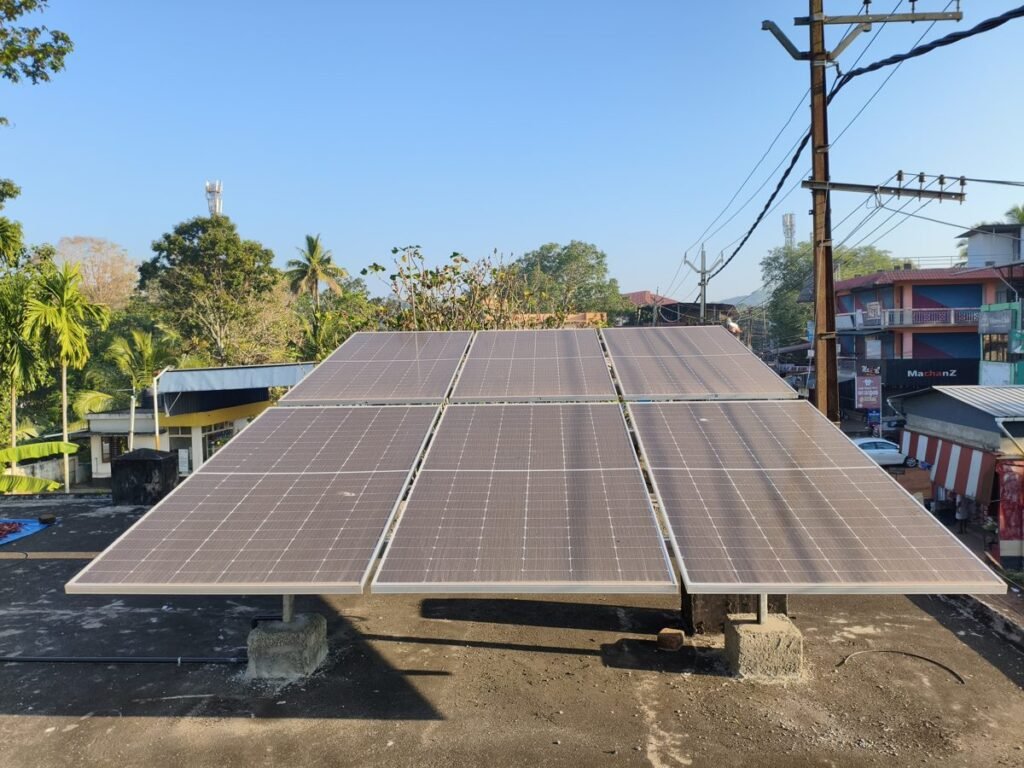
Pakistan’s rooftops have quietly staged an energy revolution. In just seven years, solar power’s share of the electricity generated in Pakistan has jumped from one percent to 28 percent, according to the think tank Renewables First — and the change was driven not by the government, but by ordinary households putting panels on their own roofs. The Pakistan rooftop solar 28 percent milestone, reported by the BBC from COP31, makes the country a poster child for solar power — and a warning about what happens when the national grid is left behind.
Around seven million households in Pakistan now own solar panels. They glisten from the rooftops of homes and hospitals, from farmers’ fields to industrial complexes, and the boom shows no sign of slowing down.
From 1% to 28%: seven million homes go solar
The numbers behind the Pakistan rooftop solar 28 percent story are striking. In 2018, solar generated barely one percent of the country’s electricity. By 2025 that figure had reached 28 percent, Renewables First says. Pakistan imported 17 gigawatts of solar panels in 2024 alone — twice the volume imported in 2023, according to energy research network REN21.
For many families, the panel has become a household essential. Faisal Shahzad, who lives in rural Punjab, counts a 340-watt solar panel as his most prized wedding gift, tucked under the bed alongside jewellery, silverware and an air-conditioning unit. In the summer, he told the BBC, the family ran it from eight in the morning until evening and powered an air cooler all day without using grid electricity at all. He now plans to buy another 10 to 15 panels, add batteries and become fully self-sufficient.
Why Pakistanis are choosing panels over the grid
The big pivot to solar was not driven by government policy, the BBC reports. Most people interviewed said they installed panels to escape soaring electricity prices from an often unreliable national grid. Electricity tariffs have more than doubled in a few years, says Muhammad Hassan Dajana, industry liaison at Renewables First, while the cost of Chinese solar panels has fallen by 93 percent.
In a country where the average wage is just under 40,000 rupees a month, electricity bills of 15,000 to 18,000 rupees have become unaffordable for many families. “People have just found another way to be able to survive,” Energy Minister Awais Ahmad Leghari told the BBC, calling the shift “a very healthy thing”.
The grid death spiral — and the $500 million bill
But the solar boom has a flip side, and it is already showing up in other people’s bills. When households buy less energy from the national grid, fewer customers are left to cover the fixed costs of maintaining it. That can force prices up, which pushes even more people towards solar — the so-called utility death spiral.
“In just the past two years, the exodus from the grid has cost the rest of the consumers more than $500 million a year,” Leghari said. “That’s a very big burden.” Dajana warns that without the right policy, Pakistan could be left with a “white elephant” — a state-owned grid that needs large amounts of public money just to stay afloat — while families who cannot afford panels face ever-rising bills.
The government says it does not want to pull people away from solar, but wants the grid to become more competitive, with better storage, less waste and more efficient power. Leghari says most of the costly contracts with private power producers have been renegotiated.
Net metering: the policy change that angered solar owners
Critics accuse the government of moving the goalposts. Households used to be able to feed excess electricity into the grid and earn credits to offset the power they took when the sun was not shining. Earlier this year that policy changed: the government now buys solar power at a lower rate and sells electricity back at a higher one.
Arif Ehsan Malik, president of Faisalabad’s chamber of commerce, says the change makes a big difference for small and medium businesses. Leghari counters that the old model did not add up, because the electricity solar producers put into the system was much cheaper than the electricity they took out. Without the change, he said, other consumers would have been burdened by 150 to 200 billion rupees a year within two years.
Factories go solar too — and what happens next
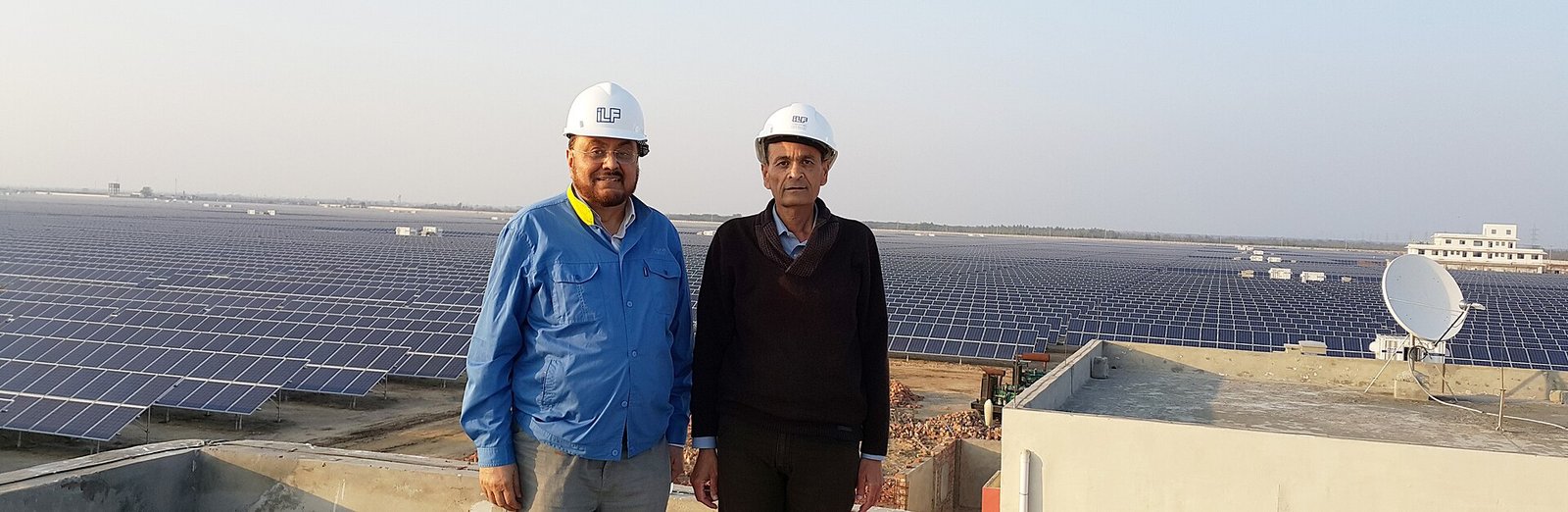
Industry is following households. At Kohinoor Textiles Mills in Islamabad, hundreds of machines are powered entirely by solar energy when the sun shines, and the heavy-furnace-oil engines the mills once relied on now sit mothballed in a warehouse. The company plans to start using industrial batteries in the coming weeks to store excess solar power for cloudy days and nights.
Leghari wants Pakistan to run on up to 90 percent clean power — renewables plus nuclear — by the end of 2036, with dependence on imported energy falling from 26 percent to four percent. There are plans to open solar battery factories around the country and to encourage more electric vehicles.
Dajana says Pakistan now stands at a crossroads. One path is a future where solar and the grid work in parallel, showing how a gradual energy transition can succeed. The other is a cautionary tale of a costly, declining grid. Which path the country takes will decide whether the rooftop revolution stays a success story — or becomes a burden on the millions who still depend on the wires.
Related Posts
 Pakistan NewsElectricity Tariff Increase December 2026: Bills May Rise Rs2.88 Per Unit
 Pakistan NewsBISP Approves Cash Aid for Never-Married Women Aged 45 and Above
 Pakistan NewsPakistan Takes ECO Chair as Ministers Adopt Vision 2035 in Islamabad
 Pakistan NewsPunjab’s Water Demand Already Exceeds Supply, FAO Warns — Groundwater Falling by 5.5 Billion Cubic Metres a Year
 Pakistan NewsShehbaz Sharif and Asim Munir Share Top Spot in The Muslim 500 — Pakistan Leads the World’s Most Influential Muslims List
 Pakistan NewsAbandoned Boeing 767 Parked at Sialkot Airport for 9 Years Finally Auctioned for Over $400,000
Most Popular
 How-ToPTA Tax Calculator 2026: Check Mobile Tax on Any Phone420 views
 Pakistan NewsPIA Boeing 787 Lease Deal: What It Means for the Airline396 views
 Canada JobsTech Jobs in Canada: Roles, Salaries, and Skills Needed392 views
 SportsUEFA Champions League 2026-27: Format, Teams and Schedule389 views
 TechnologyPM Shehbaz Sets November Deadline for Alibaba AI and Digitalisation Projects in Pakistan369 views
 ShowbizWomen’s Fashion in Pakistan 2026: Trends, Brands and Style Guide366 views


