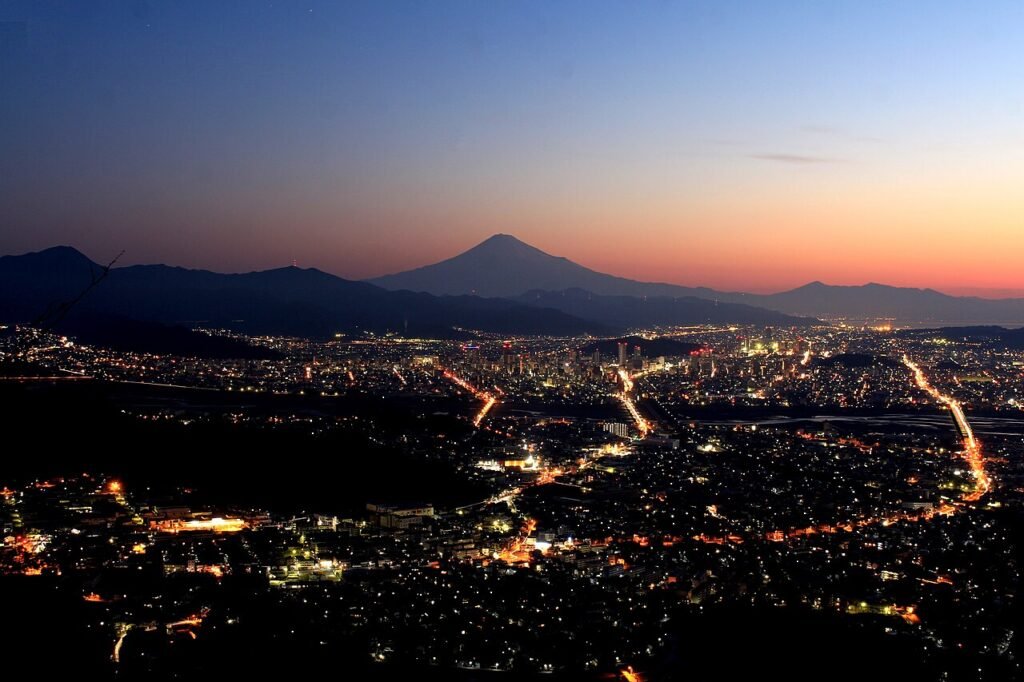
A powerful Japan earthquake 5.7 in magnitude struck central Japan in the early hours of Sunday, injuring more than 20 people and shaking buildings across several prefectures. The tremor hit at 1:04 a.m. local time on Sunday, 8 November, with its epicentre in western Shizuoka Prefecture, about 40 kilometres below the surface, according to the Japan Meteorological Agency. The United States Geological Survey measured the quake at a preliminary magnitude of 5.5. No tsunami warning was issued, and no deaths were reported, but the shaking shattered shop windows, knocked goods from shelves and forced high-speed trains to stop for safety checks.
Strongest shaking in Aichi as tremor rattles central Japan
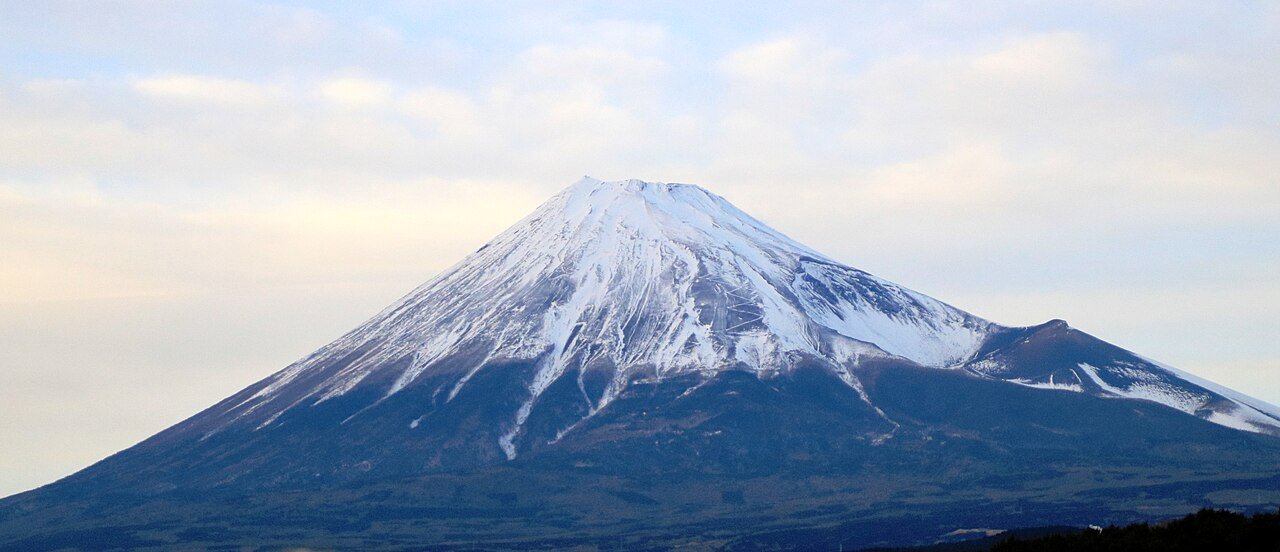
The shaking was strongest in Aichi Prefecture, where the city of Chita recorded an upper 5 on Japan’s seven-point seismic intensity scale. A lower 5 was recorded in parts of Aichi, Nagano and Gifu prefectures, and the tremor was felt across a wide area, including Shizuoka, Gifu, Nagano and Yamanashi prefectures and the cities of Hamamatsu, Kyoto and Nara. In Aichi, residents reported shattered shop windows and merchandise scattered across shop floors, while in Shizuoka the quake woke sleeping families and sent objects tumbling from shelves. Smaller aftershocks were recorded after the main tremor, and the weather agency urged residents to stay alert for further strong shaking over the coming week.
More than 20 injured, mostly with minor injuries
More than 20 people were injured across Aichi and Shizuoka prefectures, according to Kyodo News, citing local authorities. An emergency official in Aichi told reporters that authorities had received 16 reports of mostly minor injuries, while in neighbouring Shizuoka at least three women sought emergency medical care, including a woman in her nineties who injured her shoulder after falling from her bed during the shaking. The local Chunichi Shimbun newspaper and Tokai Television separately reported that at least 24 people were hurt across the two regions. Most of the injuries came from falls while evacuating, shattered glass and household objects knocked over by the shaking. No deaths were reported, and the full extent of structural damage was still being assessed in the first hours after the quake.
Trains delayed and roads restricted, but no tsunami warning
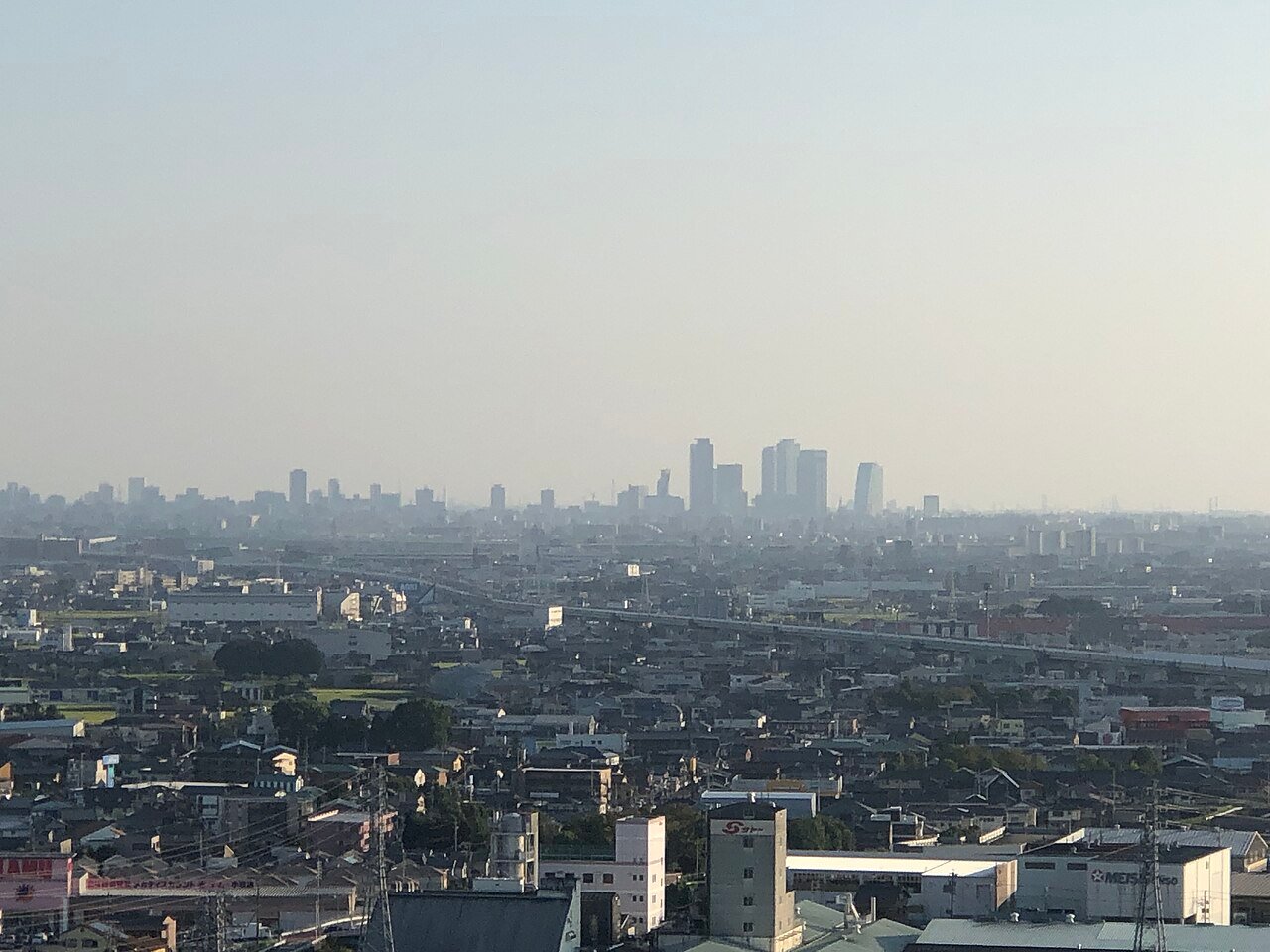
Transport across the affected region was disrupted as operators carried out safety checks. High-speed rail services were delayed and some trains were suspended, while speed restrictions were placed on the Nagoya Expressway. The Japan Meteorological Agency issued no tsunami warning or advisory after the quake, saying the tremor was deep enough and of a magnitude that did not pose a tsunami threat. Chubu Electric Power, the operator of the Hamaoka nuclear power plant in Shizuoka Prefecture, reported that no abnormalities had been detected at the facility after the shaking. Emergency teams in the worst-hit areas continued to check buildings and infrastructure through the morning, and residents were advised to follow official updates rather than assume the danger had passed.
Aftershock warning as officials play down megaquake link
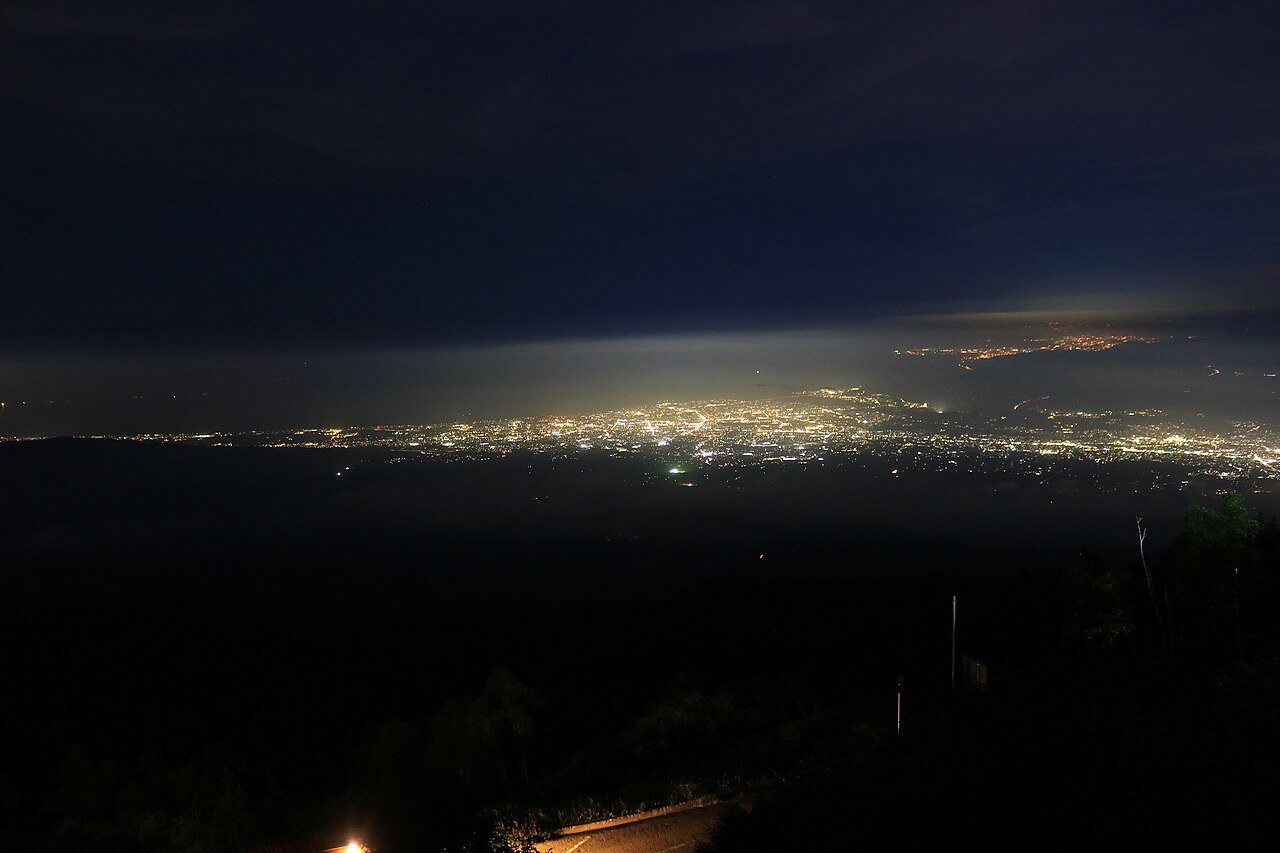
The Japan Meteorological Agency has warned residents to prepare for possible strong aftershocks in the coming week, particularly within the next two to three days. Agency official Ayataka Ebita urged people in the hardest-hit areas to watch out for mudslides, falling rocks and the possible effects of rainfall in the days after the quake. The agency also moved to calm fears about a larger disaster, saying the possibility that Sunday’s quake was linked to a possible Nankai Trough megaquake was low. The Nankai Trough is the offshore fault zone south of central Japan where scientists have long warned a major earthquake could one day strike, so any strong tremor in the region draws close attention. For now, officials say the danger is from aftershocks rather than a bigger quake, and they have asked residents to keep emergency supplies ready and to stay alert for official warnings.
Read more of UrduPro’s World News coverage, including the United States’ offer of a $20 million reward for secrets of Iran’s nuclear programme and Pakistan’s launch of the Pak-SBAS satellite navigation system.
Sources: Kyodo News and AFP.
Related Posts
 World NewsUS Offers $20 Million Reward for Secrets of Iran’s Nuclear Programme
 World NewsAramco Building Riyadh Attack: Missile Debris Damages Tower, No Casualties
 World NewsIndia Invites Pakistan to SCO Forum in New Delhi — Decision Awaited
 World NewsKarl Bushby Completes 28-Year Walk Around the World
 World NewsTürkiye Ratifies Makkah Defence Pact With Pakistan and Saudi Arabia — Attack on One Now Means Attack on All
 World NewsUN Security Council Adopts Pakistan’s Diplomacy Statement: Talks Must Go On Even During War
Most Popular
 How-ToPTA Tax Calculator 2026: Check Mobile Tax on Any Phone419 views
 Pakistan NewsPIA Boeing 787 Lease Deal: What It Means for the Airline392 views
 Canada JobsTech Jobs in Canada: Roles, Salaries, and Skills Needed389 views
 SportsUEFA Champions League 2026-27: Format, Teams and Schedule386 views
 TechnologyPM Shehbaz Sets November Deadline for Alibaba AI and Digitalisation Projects in Pakistan367 views
 ShowbizWomen’s Fashion in Pakistan 2026: Trends, Brands and Style Guide362 views