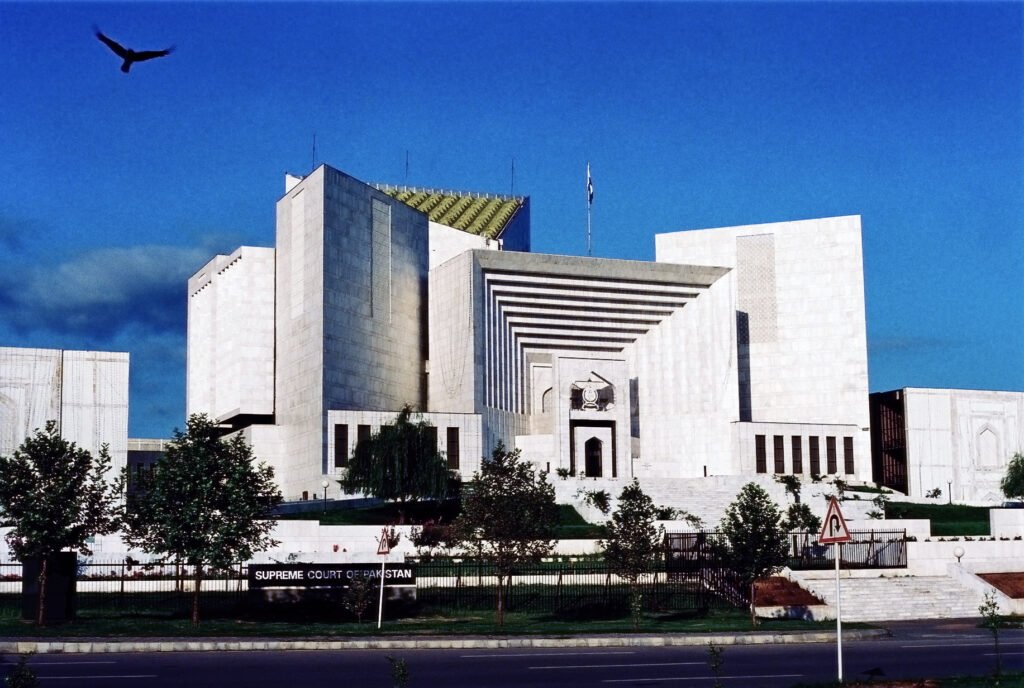
The Supreme Court of Pakistan has asked a question that millions of electricity consumers have been asking for years: how can illegal electricity supply keep running without the officials in charge knowing about it?
A two-member bench of the apex court, comprising Justice Muhammad Ali Mazhar and Justice Irfan Saadat Khan, made the observation on Friday while hearing a case that began with a fatal electrocution in Larkana. In a six-page order, the court said it was difficult to believe that electricity could be supplied outside the authorised system without the knowledge of WAPDA or the power distribution company concerned, and it stressed that the roles of everyone involved in electricity theft and the illegal sale of power should be thoroughly examined.
The court’s remarks do not by themselves order a new inquiry, but they put the conduct of power officials squarely under the spotlight at a time when honest consumers are paying more for electricity every month.
What the Supreme Court said
The bench was hearing a petition seeking cancellation of pre-arrest bail granted to an accused in a case involving electrocution caused by a broken electricity wire. During the hearing, the court observed that electricity theft, the unauthorised sale of power and private electricity supply outside the authorised procedure could not realistically continue without the involvement, or at least the knowledge, of the officials responsible for the network.
The court directed that a copy of its order be sent to the chairman of WAPDA for information, a step that ensures the country’s top power authority is formally put on notice of the court’s concerns.
The petition was ultimately disposed of as withdrawn, and the court made it clear that its observations would not affect the merits of the pending criminal case, which will be decided by the trial court in accordance with the law. The observations were about the system, not a finding against any individual in the case before it.
The Larkana case behind the order
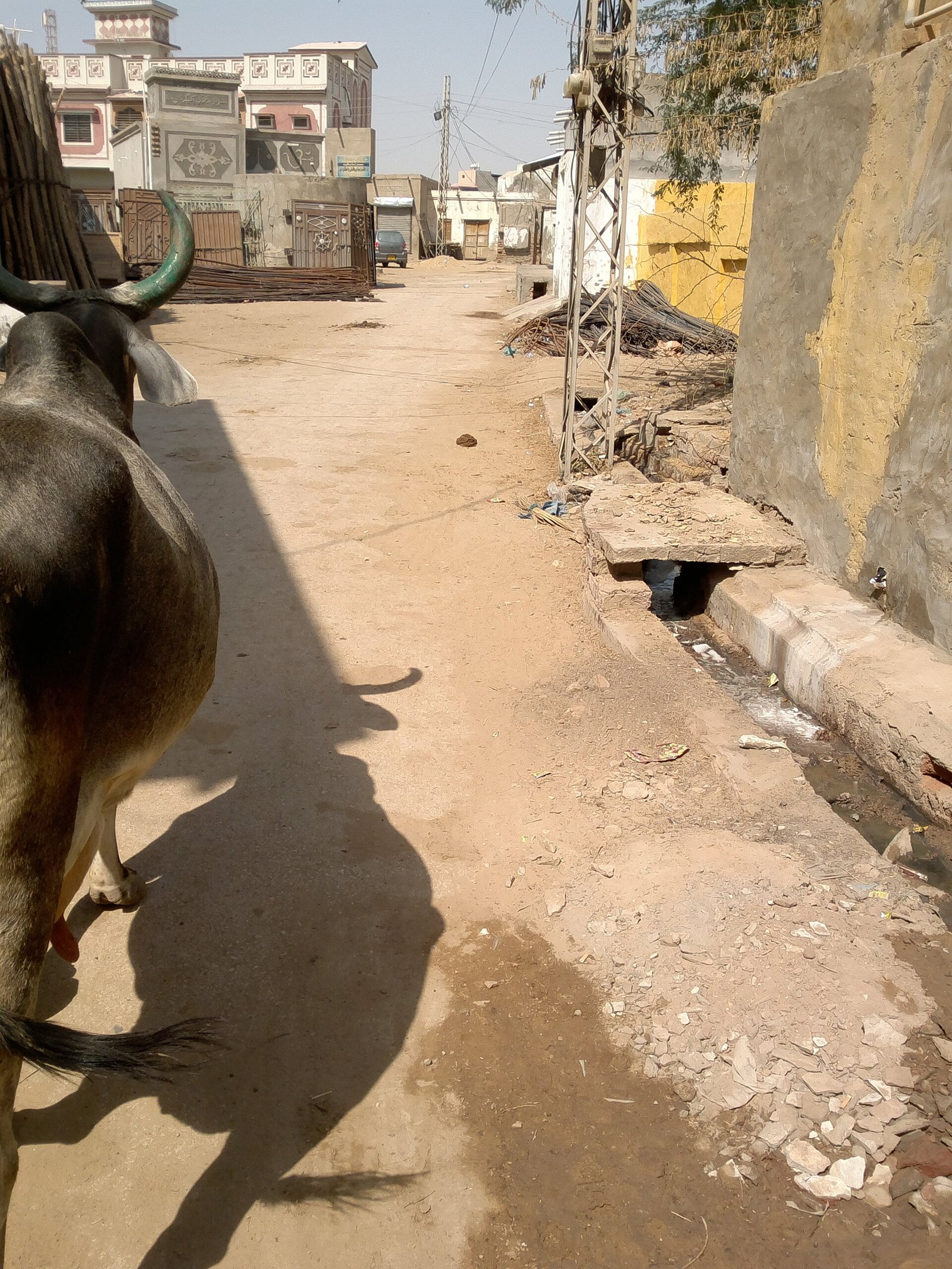
The case arose from a tragedy in Larkana in March 2024. The petitioner, Ali Asghar Khokhar, a resident of Khuhawar Street in Larkana, told the court that his brother, Noor Hussain, was electrocuted after a PVC wire connected to a high-tension line broke and came into contact with him.
According to the petition, a contractor had been supplying electricity to shops in the area with the connivance of WAPDA officials, laying a special line from the disposal phase line and running a wire over the complainant’s shops in return for payment. An FIR was registered at the Rehmatpur police station in Larkana against the respondent, Anwar Ali Kori, and other WAPDA officials.
The Sindh High Court’s Larkana circuit bench had granted pre-arrest bail to the respondent on 20 October 2025. Khokhar approached the Supreme Court seeking cancellation of that bail, which led to the bench’s observations about how such unauthorised supply arrangements operate in practice.
The case illustrates a pattern that power-sector officials have long acknowledged: illegal connections and unauthorised supply lines are rarely a one-person operation. They need wires, access to the network and, in many cases, the silence of the people whose job it is to guard it.
What happens next
Because the petition was withdrawn, the Supreme Court did not issue directions for a fresh investigation in this case. The criminal case against the accused will proceed in the trial court, and the court’s observations will not influence its outcome.
What the order does do is create a formal record of the apex court’s view that the role of WAPDA and distribution company officials in electricity theft cases deserves close examination. With a copy of the order now before the WAPDA chairman, the ball is in the power authorities’ court to show what action, if any, follows against officials found to be involved in unauthorised supply.
Why this matters for every electricity consumer
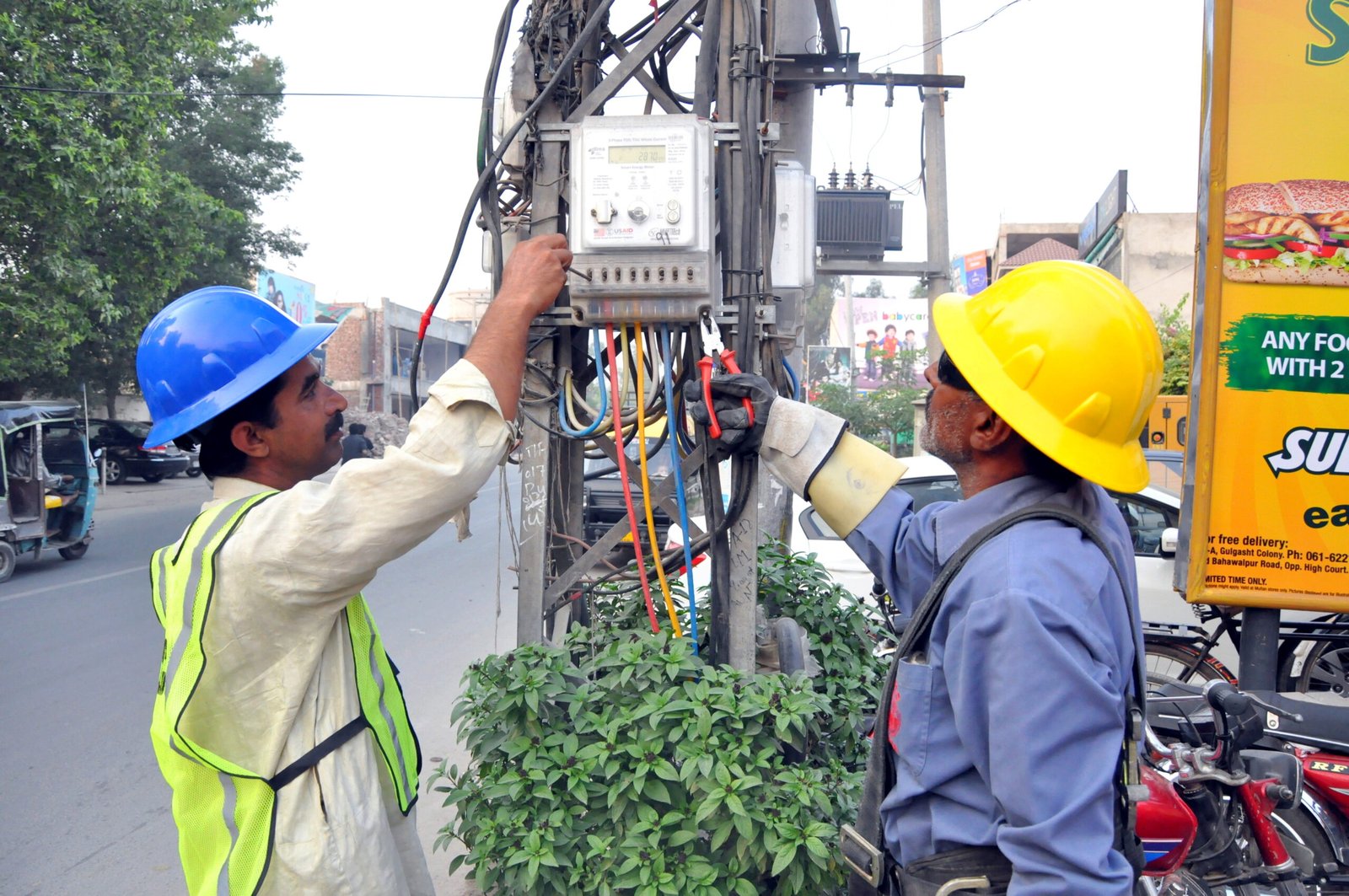
Power theft is not a victimless offence. Electricity that is stolen or sold illegally still has to be paid for, and the cost lands on honest consumers through higher tariffs and repeated adjustments to their bills. Only this week, the National Electric Power Regulatory Authority approved a fuel cost adjustment of Rs2.37 per unit for November bills, adding to the burden on households already struggling with rising prices.
When theft goes unchecked, distribution companies also lose revenue they need to maintain the network, which in turn means more faults, more breakdowns and worse service for paying customers. The Supreme Court’s observation cuts to the heart of the problem: theft on this scale is a system failure, not just a crime by individual consumers.
The Power Division has already moved to tighten billing practices, including a ban on manual detection bills, but the court’s remarks suggest that fixing the problem will also require accountability inside the utilities themselves. Until officials who enable illegal supply face consequences, consumers will keep paying for power they never used.
Related Posts
 Pakistan NewsPakistan Tourism, Sports and Family Festival 2026 Lights Up Islamabad — 150,000 Visitors Expected
 Pakistan NewsSecurity Forces Foil Infiltration Attempt in Kurram as Afghan Taliban Open Fire Across the Border
 Pakistan NewsPakistan Signs Expo 2030 Riyadh Participation Contract — Culture District Pavilion and 42 Million Visits Expected
 Pakistan NewsPMD November 2026 Outlook: Above-Normal Rain in the North, Dry South — and a Dengue Warning
 Pakistan NewsECP Sets February 7, 2027 for First Phase of Punjab Local Government Elections — First Local Polls Since 2015Pakistan NewsPM Inaugurates Kashmir Chowk Underpass in Islamabad After Record 27-Day Build
Most Popular
 How-ToPTA Tax Calculator 2026: Check Mobile Tax on Any Phone417 views
 Pakistan NewsPIA Boeing 787 Lease Deal: What It Means for the Airline389 views
 Canada JobsTech Jobs in Canada: Roles, Salaries, and Skills Needed387 views
 SportsUEFA Champions League 2026-27: Format, Teams and Schedule384 views
 TechnologyPM Shehbaz Sets November Deadline for Alibaba AI and Digitalisation Projects in Pakistan364 views
 ShowbizWomen’s Fashion in Pakistan 2026: Trends, Brands and Style Guide360 views