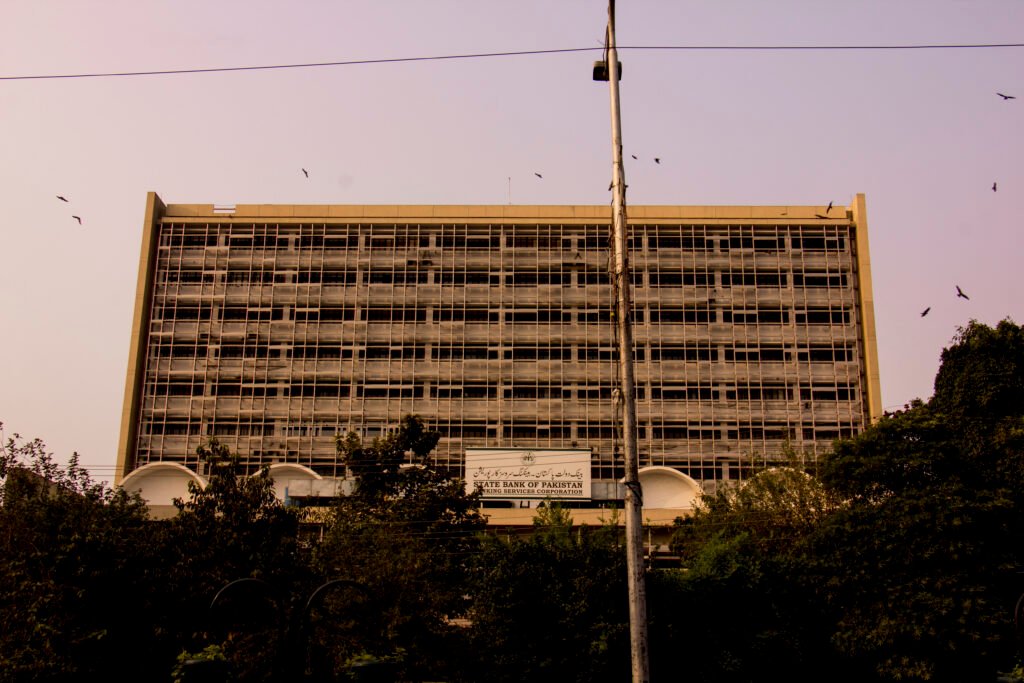
Pakistan’s crypto regulator wants overseas Pakistanis to keep more of the money they send home. Bilal Bin Saqib, the Minister of State who chairs the Pakistan Virtual Assets Regulatory Authority (PVARA), says cutting remittance fees by two to three percentage points could keep around $1 billion a year in Pakistani families’ hands. The push comes as PVARA works with the State Bank of Pakistan on a Gulf-focused digital settlement pilot, and days after the regulator sat down with Mastercard to talk about tokenisation and cross-border payments.
Remittances are Pakistan’s largest source of foreign exchange, and the sums involved are enormous. The PVARA chair put annual inflows at about $41.6 billion when he spoke at the Pakistan Banks Association–Lahore University of Management Sciences dialogue on digital assets and the future of banking on 3 November. Around 12 percent of Pakistani households — roughly 4.6 million families, according to the 2023 digital census — report receiving money from abroad. For those families, every percentage point lost to fees is money that never reaches the kitchen table.
What the $1 billion figure actually means
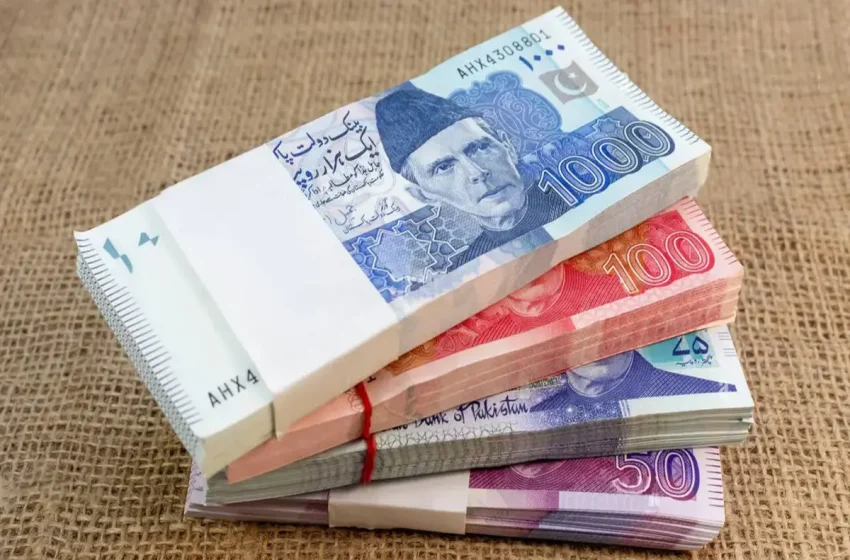
The $1 billion figure is simple arithmetic, not money already saved. Two percent of $41.6 billion is about $830 million; three percent is about $1.25 billion. So a two-to-three-point cut in transfer costs would leave roughly $1 billion more a year with the families who receive the money — if the cheaper channels actually reach them.
That “if” matters, because sending money home is still expensive. Traditional banks typically charge between 3 and 7 percent on remittances, according to TechJuice, while the fintech Wise charges around 0.6 percent. The United Nations’ sustainable development target is to bring the cost of sending $200 down to 3 percent — but the average cost is still more than double that target, as Bilal Bin Saqib himself told a United Nations session in September. The gap between what families pay today and what they could pay is the $1 billion at stake.
The Gulf pilot: PVARA and the State Bank move first

The first place the regulator wants to close that gap is the Gulf. Most overseas Pakistanis work in the Gulf states, and the largest share of remittances flows through those corridors. At the PBA–LUMS dialogue, the PVARA chair said supervised, bank-led payment arrangements involving the major Gulf remittance corridors were an opportunity worth examining, subject to regulatory coordination and appropriate safeguards.
PVARA and the State Bank are now working on a Gulf-focused digital settlement pilot, according to TokensTimes. The chair has stressed that the work must stay inside each regulator’s legal mandate, with effective supervision, cybersecurity safeguards, consumer protection and institutional accountability. PVARA was set up under the Virtual Assets Ordinance 2025, and its licensing regime for virtual asset firms is still taking shape — in January it signed an agreement with SC Financial Technologies to bring the USD1 stablecoin into a regulated digital payments framework alongside the State Bank.
Mastercard meeting puts tokenisation on the table
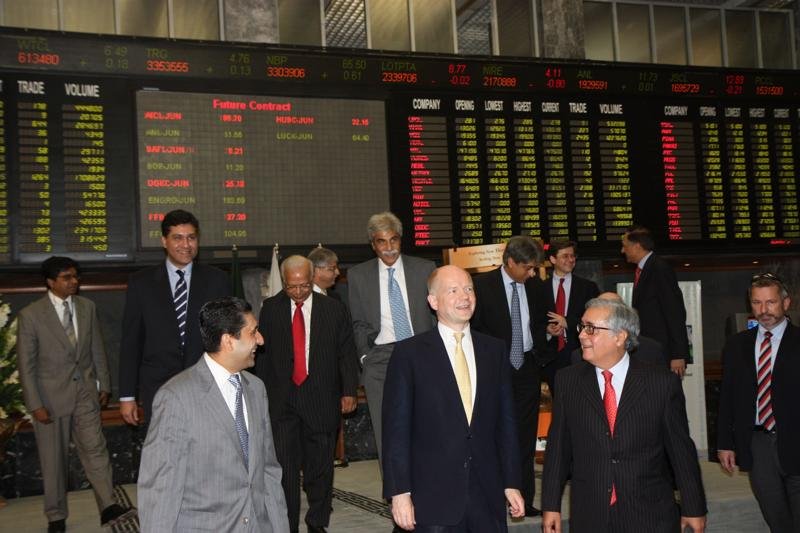
On 6 November, Bilal Bin Saqib met Mastercard’s Mark Elliott to discuss regulated digital assets, cross-border remittances and tokenisation. No agreement or timeline was reported from the meeting, and none should be assumed — but the fact that the conversation happened at all shows how seriously the regulator is taking the plumbing of cross-border payments.
Tokenisation, in plain terms, means turning money or assets into digital tokens on a secure ledger so they can move faster, with fewer middlemen taking a cut. Pakistan is already looking at the idea in other corners of finance: the government is reviewing whether to tokenise some of its existing Eurobond debt, as Finance Minister Muhammad Aurangzeb has said. The same technology that could one day carry a bond could also carry a worker’s monthly transfer home.
Wise and Raast: the cheaper channel waiting in the wings
One cheaper channel is already half here. Wise, the British fintech, is not officially live in Pakistan — yet it already processes more than $1 billion a year into the country, about 3 percent of total inflows. Amir Anzur, chief marketing officer at the Pakistan Software Export Board, has made getting Wise fully operational in Pakistan a top priority for 2026, and Wise is working with the State Bank on integration with Raast, the central bank’s instant payment system, which can settle transfers in minutes rather than days.
Four regulatory updates are still required before a full Wise launch, and the launch remains pending rather than confirmed. But the direction of travel is clear — and it is not only Wise. The State Bank has proposed mandatory open banking rules that would require banks, microfinance banks and electronic money institutions to open customer data and payment access to authorised providers, with customer consent. Feedback on that draft closes on 30 November, and it could let licensed fintech firms plug directly into the banks.
“Build, don’t just consume”: what happens next

The PVARA chair’s message to the banks at the PBA–LUMS dialogue went beyond remittances. Pakistan, he said, must move beyond consuming financial technologies built in other markets and become a contributor to the infrastructure, standards and innovation shaping global finance. Banks should incubate the next generation of fintech companies, partner with universities such as LUMS, and give founders real business problems, mentorship and safe places to test their solutions.
Artificial intelligence is part of the same push — in fraud detection, risk management, customer service and software engineering — and the chair urged banks to invest in AI skills and in their existing workforce. He was blunt about how progress should be judged: not by the number of events held or memorandums signed, but by tangible outcomes — businesses grown, problems solved, capabilities built inside the country.
For now, the $1 billion is a prize, not a promise. What to watch next is concrete: details of the Gulf settlement pilot, the State Bank’s open banking decision after 30 November, PVARA’s licensing calls, and the remaining regulatory steps for Wise. But for the first time, the regulator, the central bank and the banks are all pulling in the same direction — towards money that reaches home intact.
Related Posts
 TechnologyPakistani Astronaut to Join China’s Shenzhou-24 Mission — First Foreign Visitor to Tiangong Space Station
 TechnologyGovernment Offers Up to Rs 70,000 Back on IT Certifications — How to Apply for the PM Reimbursement Programme
 TechnologyOUKITEL WP63 Goes on Sale at $339: Rugged Phone With a Built-In Lighter and a 20,000mAh Battery
 TechnologyAI Is Now Building AI Twice as Fast, Independent Audit of Anthropic Finds
 TechnologyMicrosoft Walks Away From Oracle AI Cloud Deal as Old Nvidia Chips Fall Short — Oracle Shares Slide 4%
 TechnologyTesla Cybertruck Production Ends as Cybercab Takes Over
Most Popular
 How-ToPTA Tax Calculator 2026: Check Mobile Tax on Any Phone417 views
 Pakistan NewsPIA Boeing 787 Lease Deal: What It Means for the Airline389 views
 Canada JobsTech Jobs in Canada: Roles, Salaries, and Skills Needed387 views
 SportsUEFA Champions League 2026-27: Format, Teams and Schedule384 views
 TechnologyPM Shehbaz Sets November Deadline for Alibaba AI and Digitalisation Projects in Pakistan364 views
 ShowbizWomen’s Fashion in Pakistan 2026: Trends, Brands and Style Guide360 views