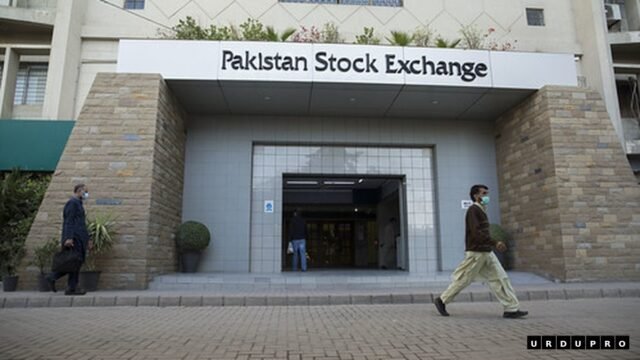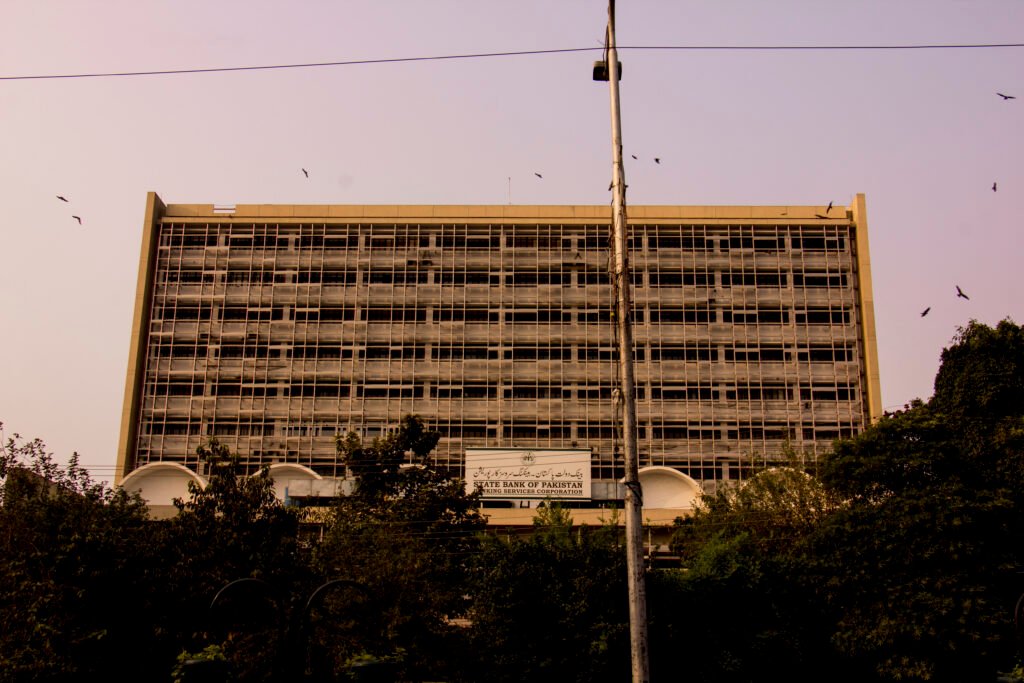
Pakistan’s financial inclusion rate has reached 71 per cent, while the gap between men and women in access to formal financial services has narrowed to 27 per cent, State Bank of Pakistan (SBP) Governor Jameel Ahmad said on Tuesday, as the central bank put its weight behind getting climate finance to the people who need it most.
Governor Ahmad shared the figures while addressing the opening session of a four-day joint learning programme on inclusive green finance in Islamabad, organised by the SBP and the Alliance for Financial Inclusion (AFI). The programme has brought together 38 participants representing central banks and financial regulators from 24 countries across four continents.
The headline numbers mark a significant step for a country where large numbers of people — particularly women, farmers and small traders — have long operated outside the formal banking system. Pakistan financial inclusion 71 percent is now the central bank’s latest yardstick, and the narrowing gender gap shows that the gap, while still wide, is moving in the right direction.
What the SBP governor announced
Addressing the inaugural session in Islamabad on 4 November 2026, SBP Governor Jameel Ahmad said Pakistan’s financial inclusion rate had climbed to 71 per cent, with the gender gap in access to financial services falling to 27 per cent. He stressed that climate finance must now reach women, smallholder farmers and small businesses — the groups most exposed to climate shocks and least served by formal finance.
The governor said climate change and financial exclusion were closely linked. Communities most exposed to climate risks — floods, heatwaves and crop failures — often have the least access to insurance, savings and formal financial services, leaving them with no cushion when disaster strikes.
He also referred to the Climate Stress Testing Guidelines issued by the SBP in December 2025, which help banks and other financial institutions assess how exposed they are to climate-related shocks and plan for them in advance.
Why the gender gap matters
The financial inclusion gender gap Pakistan has been working to close stood at 39 per cent in 2021. It fell to 29 per cent in 2025, and the latest figure of 27 per cent shows the improvement is continuing, albeit slowly. Closing the gap matters because women who cannot access bank accounts, credit or insurance are locked out of starting businesses, saving safely and weathering emergencies.
On women’s access to finance, Governor Ahmad highlighted the Pakistan Women Inclusive Finance Programme, supported by the Asian Development Bank, which aims to widen women’s access to banking and credit. He also noted that Pakistan joined the Women Entrepreneurs Finance Code in 2025, with the SBP serving as the anchor institution for the financial industry.
The central bank’s push is backed by policy. In October 2026, the SBP launched the second edition of its Banking on Equality Policy 2026, designed to expand women’s access to digital banking, financing and entrepreneurship. Under the earlier policy, banks recruited more than 17,500 women, lifting the share of women in bank staff from 13 per cent to 17 per cent. The new policy supports the National Financial Inclusion Strategy’s target of reducing the gender gap in financial inclusion to 25 per cent by 2028. The SBP’s work in this area recently earned it the Policy Achievement Award for Gender Inclusive Finance 2026 from the Alliance for Financial Inclusion.
Climate finance for farmers and small businesses
A central theme of the governor’s address was inclusive green finance — making sure money for adapting to climate change actually reaches the people on the front line. The SBP governor identified smallholder farmers, micro and small enterprises, women and low-income households among the groups requiring greater access to climate finance.
For a farming family, that could mean a loan to switch to a drought-resistant crop, insurance against a failed harvest, or savings that survive a flood season. For a small business, it could mean financing to install solar power or to recover after extreme weather damages stock and premises. Without access to formal finance, these households and businesses are forced to borrow informally at high cost — or simply go without.
The four-day programme in Islamabad is designed to help regulators from 24 countries share practical experience on exactly this challenge: how to design financial policies that bring climate-vulnerable people into the formal system rather than leaving them behind.
What happens next
The 71 per cent figure will be welcomed as evidence that Pakistan’s years of work on financial inclusion — from branchless banking and mobile wallets to targeted policies for women — is paying off. But the SBP governor’s own emphasis was on what remains undone: nearly three in ten adults are still outside the formal financial system, and the gender gap, at 27 per cent, remains wide.
The test of the new numbers will be whether the momentum continues. The Banking on Equality Policy 2026 sets a clear target of a 25 per cent gender gap by 2028, and the central bank has said it will monitor progress through quarterly data reporting and mystery-shopping exercises to check how banks actually treat customers on the ground.
For now, the message from the State Bank is that inclusion and climate resilience go together: a financial system that reaches women, farmers and small businesses is also a financial system better able to withstand the climate shocks Pakistan faces every year.
Sources: The News, Islamabad Post, NextWallet.
Related Posts
 BusinessPIA to Resume Direct Islamabad–Birmingham Flights from 1 December
 BusinessKSE-100 Crosses 175,000 for the First Time as PSX Rally Adds 7,361 Points in Two Days
 BusinessBitcoin Crashes Below $76,000 as AI Stock Rout Wipes Out $1 Billion in Crypto Bets
 BusinessPetrol Price Cut by Rs9.41 to Rs352.59 Per Litre From 6 November: Diesel Down Rs5.56 in Fourth Straight Daily Cut
 BusinessGold Price in Pakistan Jumps Rs9,600 Per Tola to Rs435,636 as Rally Runs Into a Second Day
 BusinessEmirates Group Posts AED 4.1 Billion Half-Year Profit Despite Gulf Conflict and Doubling Fuel Prices
Most Popular
 How-ToPTA Tax Calculator 2026: Check Mobile Tax on Any Phone417 views
 Pakistan NewsPIA Boeing 787 Lease Deal: What It Means for the Airline388 views
 Canada JobsTech Jobs in Canada: Roles, Salaries, and Skills Needed386 views
 SportsUEFA Champions League 2026-27: Format, Teams and Schedule384 views
 TechnologyPM Shehbaz Sets November Deadline for Alibaba AI and Digitalisation Projects in Pakistan364 views
 ShowbizWomen’s Fashion in Pakistan 2026: Trends, Brands and Style Guide359 views