Pakistan’s Federal Board of Revenue has begun work on abolishing the super tax, with the levy to be removed in phases rather than in one stroke. FBR Chairman Rashid Mahmood Langrial announced the plan on Wednesday, 4 November, while addressing industrialists at the Korangi Association of Trade and Industry (KATI) in Karachi, telling the gathering that the government intends to do away with the additional tax on large earners altogether.
Langrial said the super tax rate had already been reduced by two percentage points and that work on its gradual elimination had now begun. The announcement is the clearest signal yet that the government plans to unwind a levy businesses have long described as a burden — but no notification, ordinance or timetable has been issued, so for now the phase-out is a stated intention and the start of a process, not an enacted change.
What the FBR chairman announced in Karachi
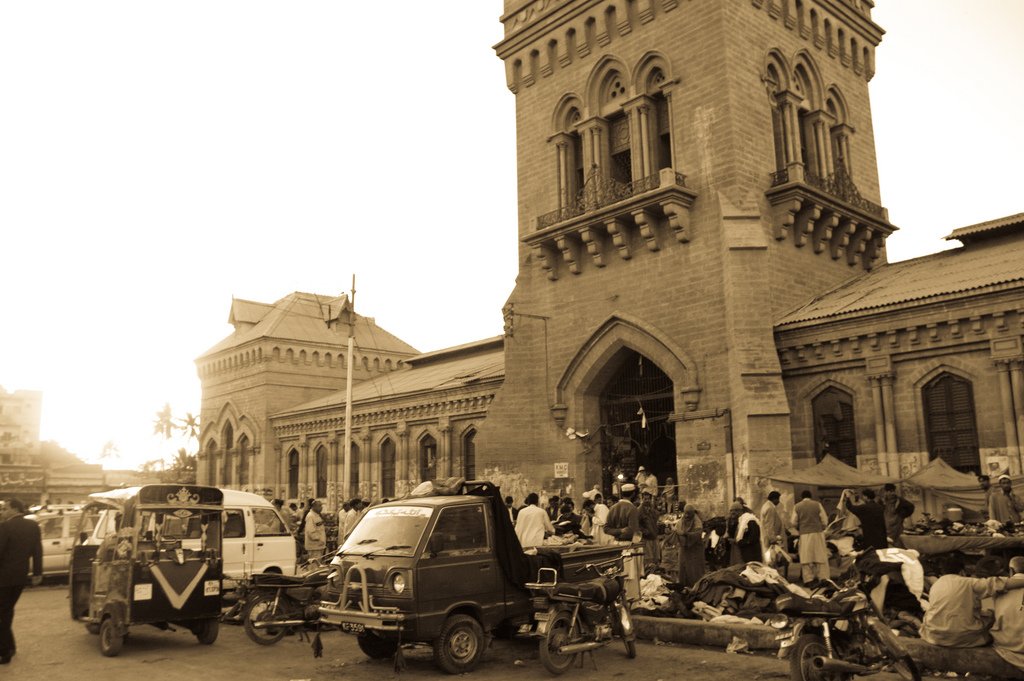
Speaking to members of KATI, Langrial said the FBR aims to improve the tax system and make it easier for the business community to work with the revenue authority. TechJuice reported that the chairman told the gathering the super tax rate had already been cut by two points and that its gradual elimination was now under way.
Langrial also announced practical steps for the industrialists in the room. An FBR office will be established at KATI to deal with tax-related issues faced by businesses in the Korangi Industrial Area, and the scope of the board’s existing help desk will be extended from Karachi to Sukkur. The FBR will also consult relevant stakeholders to address shortcomings in the system for importing industrial raw materials.
What is the super tax?
The super tax is an additional levy on high earners, introduced in 2015 under Section 4C of the Income Tax Ordinance, 2001. It applies to taxpayers whose income exceeds Rs500 million, and it has been one of the most criticised parts of Pakistan’s corporate tax regime, with business groups arguing that it punishes companies for growing.
The News reported the chairman’s remarks from the KATI meeting, noting that the rate had already been reduced by two points before the announcement of the phase-out. The levy has survived several legal challenges over the years, and the Federal Constitutional Court earlier this week reserved its decision on petitions seeking a review of its 27 January ruling upholding the tax.
The rate has already come down
The two-point reduction Langrial referred to is already in force. Under the Finance Act 2026, the general super tax rate was cut from 10 per cent to 8 per cent, and the levy was abolished altogether for persons with taxable income of up to Rs500 million, except for certain specified categories.
Exporters have already been given a way out. Under Clause 104B of the Second Schedule, introduced through the FBR’s Circular No. 2 of 2026, exporters whose realised export proceeds make up at least 80 per cent of their total turnover are exempt from the super tax entirely. The new announcement goes further: instead of carving out more exemptions, the government now intends to remove the levy for everyone, in stages.
Relief for smaller firms has been a theme of recent economic announcements, with the government also moving to expand finance for small businesses and widen the use of digital payments across the economy. The super tax phase-out fits the same direction of travel — reducing the cost of doing business for companies that are already in the tax net.
What happens next — and what is still unclear
For all the significance of the announcement, the details that matter most to companies are still missing. No timeline has been published for the abolition, and no mechanism, exemption schedule or transition arrangement for liabilities already assessed has been described. The FBR’s own public announcements page carries nothing on the super tax, with its most recent release dated 29 October and concerned with faceless customs assessment.
Until a notification is issued, the levy remains in force, and the two-point reduction already applied is the only change companies can safely budget on. Businesses will now watch for three things: the formal notification, the phase-out schedule, and whether the change is carried into the coming budget. If the abolition is delivered as promised, it would be one of the most significant tax reliefs for large Pakistani companies in years — but for now, it remains a promise, not yet a law.
Related Posts
 BusinessAurangzeb Announces SME Finance Task Force, Rs3 Billion SME Risk Pool to Power Export-Led Growth
 BusinessPetrol Price Cut by Rs7.06 to Rs362 Per Litre From 5 November: Diesel Down Rs3.71 in Third Straight Daily Cut
 BusinessGold Price in Pakistan Surges Rs13,900 Per Tola in One of the Biggest Single-Day Jumps in Weeks
 BusinessKSE-100 Closes Above 172,000 for the First Time After Record 3,995-Point Rally
 BusinessBanks to Stay Closed Three Days From November 7 to 9 as SBP Announces Iqbal Day Holiday
 BusinessPSX Investor Base Surges 47.3% to 681,965 as Young Pakistanis Pile Into Stocks
Most Popular
 How-ToPTA Tax Calculator 2026: Check Mobile Tax on Any Phone416 views
 Pakistan NewsPIA Boeing 787 Lease Deal: What It Means for the Airline388 views
 SportsUEFA Champions League 2026-27: Format, Teams and Schedule381 views
 Canada JobsTech Jobs in Canada: Roles, Salaries, and Skills Needed377 views
 TechnologyPM Shehbaz Sets November Deadline for Alibaba AI and Digitalisation Projects in Pakistan360 views
 ShowbizWomen’s Fashion in Pakistan 2026: Trends, Brands and Style Guide350 views