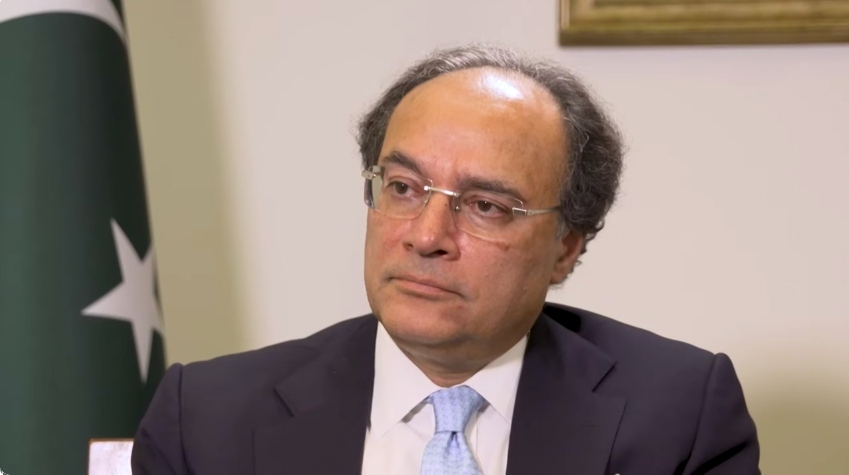
Pakistan’s small businesses are getting a major financing push. Federal Minister for Finance and Revenue Senator Muhammad Aurangzeb has announced a dedicated SME Finance Task Force and confirmed a roughly Rs3 billion SME Risk Pool, as the government accelerates its move towards export-led, private-sector-led growth.
The announcements came on a busy day for economic policy in Karachi, where the finance minister addressed the Pakistan Banking Summit 2026 and later attended the Export-Import Bank of Pakistan’s “Partnerships That Power Progress” event as chief guest. Together, the measures aim to fix one of the oldest complaints of Pakistan’s smaller firms: that formal bank credit is hard to get, expensive, or simply out of reach.
SME Finance Task Force announced at Pakistan Banking Summit 2026
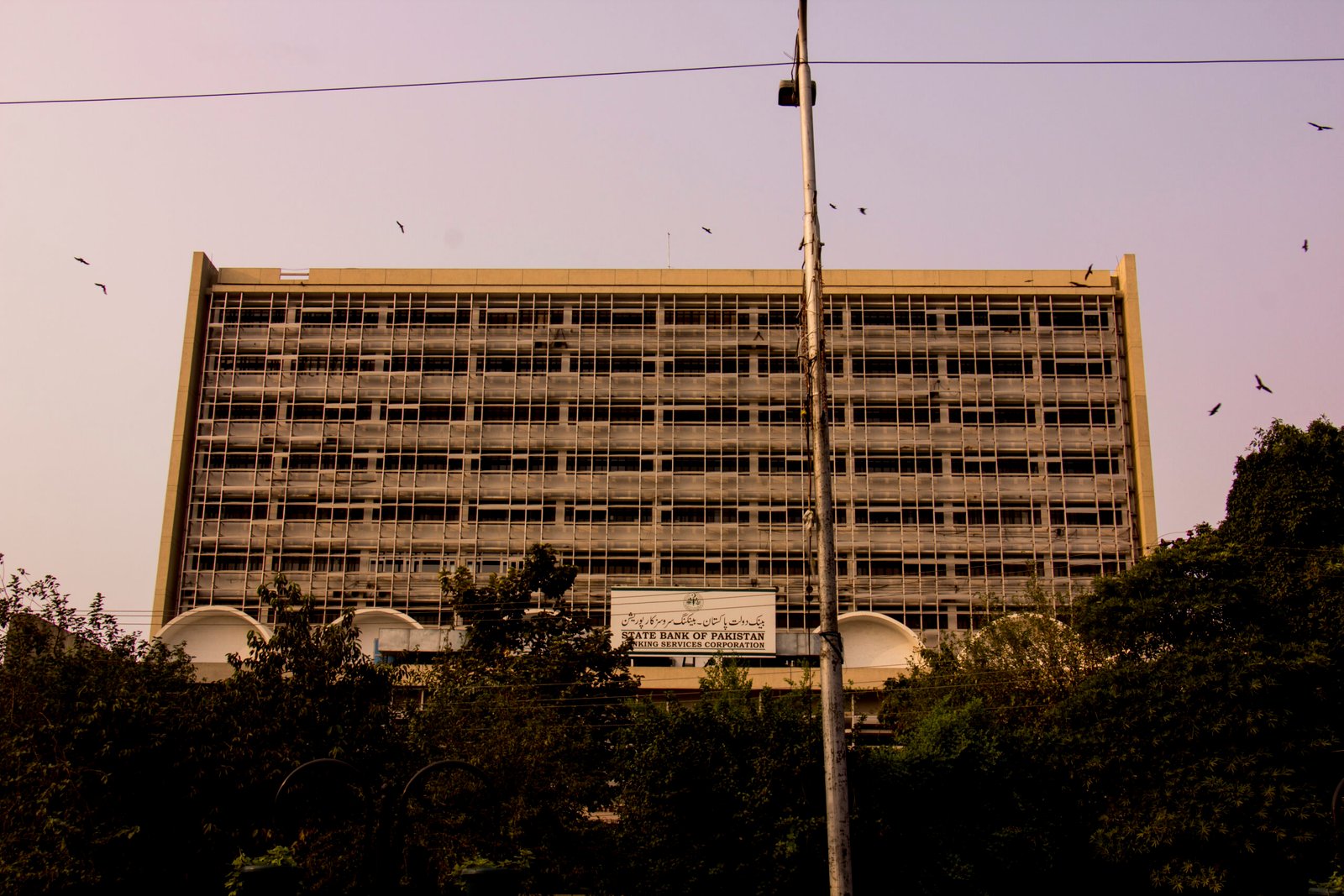
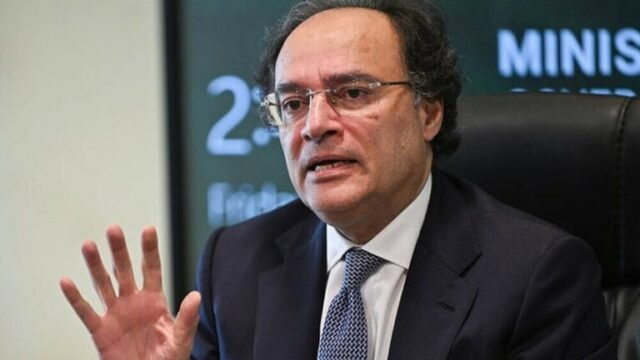
Speaking at the Pakistan Banking Summit 2026 in Karachi, Senator Muhammad Aurangzeb announced the establishment of a dedicated SME Finance Task Force to expand access to finance for small and medium enterprises across the country.
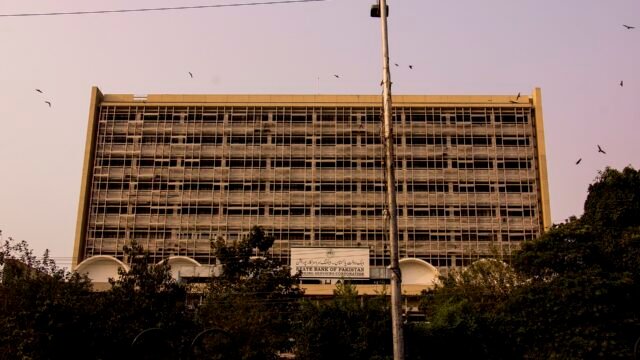
The task force will be led by the State Bank of Pakistan, with senior representation from the Pakistan Banks’ Association, the Small and Medium Enterprises Development Authority (SMEDA), chambers of commerce and industry, and the Ministry of Finance. Its job is to recommend practical measures that improve SME financing and widen access to credit across the banking industry.
The finance minister was direct about the challenge: increased lending to SMEs, exporters, agriculture, manufacturing, construction, housing and the information technology sector is mission-critical for sustainable economic growth. He stressed that access to finance for SMEs must become an industry-wide effort rather than the responsibility of only a few institutions.
Pak EXIM signs ICIEC reinsurance pact and Rs3 billion SME Risk Pool
At the Pak EXIM event, two strategic agreements were signed to strengthen Pakistan’s export financing and risk-sharing architecture.
The first is a reinsurance agreement between the Export-Import Bank of Pakistan and the Islamic Corporation for the Insurance of Investment and Export Credit (ICIEC), a member of the Islamic Development Bank Group. The agreement was signed by Dr Khalid Khalafalla, chief executive officer of ICIEC, and Shahbaz Hussain Syed, president and chief executive officer of Pak EXIM, during a high-level visit of an ICIEC delegation to Pakistan. The partnership will strengthen Pak EXIM’s underwriting capacity and let it expand trade and export credit insurance coverage, helping more Pakistani exporters manage commercial and political risks in international trade.
The second is an approximately Rs3 billion SME Risk Pool between the Export Development Fund (EDF) and Pak EXIM, signed by Omar Saeed, chairman EDF, and Shahbaz Hussain Syed. The arrangement strengthens domestic risk-sharing and will facilitate SMEs’ access to Pak EXIM’s trade and export credit insurance against non-payment risks, giving smaller exporters greater protection and confidence to pursue new customers and export destinations.
Pakistan’s improving macroeconomic picture

The finance minister framed the announcements against Pakistan’s improving macroeconomic outlook. He noted that the economy grew by around 3.7 percent in FY26 while the fiscal deficit declined to 2.6 percent of GDP — its lowest level in 22 years. Pakistan has also recorded primary surpluses for three consecutive years, alongside sustained current account performance, record remittance inflows, growing foreign exchange reserves and renewed access to international capital markets, including Pakistan’s inaugural Panda Bond.
He said the country now had an important opportunity to move away from the recurring boom-and-bust cycles of the past, driven in large part by import dependence and balance-of-payments pressures. The central challenge, he argued, is not merely achieving growth but ensuring it is sustainable — for which export-led and private-sector-led growth would be critical.
Services exports are already showing strong gains, with IT exports of around US$4.6 billion and freelancer earnings of around US$1.7 billion. But the finance minister emphasised that incremental growth around the existing US$30 billion goods-export base would not be sufficient for Pakistan’s ambitions, and called for diversification into new markets, products, segments and services.
What it means for SMEs and exporters
For small and medium enterprises, the practical takeaways are significant. Financing is being made available to exporters at 4.5 percent despite recent movement in the policy rate, ensuring continued access to competitive export financing. The SME Risk Pool directly addresses the fear that holds many small exporters back: the risk of non-payment by foreign buyers. With insurance cover against those risks, smaller firms can bid for new customers and enter new destinations with more confidence.
The finance minister also stressed that financing support must extend beyond larger final exporters to the smaller enterprises across exporters’ value and supply chains — the workshops, suppliers and service firms that contribute to export production but rarely get formal credit.
Separately, a Mastercard delegation held meetings with Pakistani officials alongside the finance ministry’s industry engagements this week, with the payments company reaffirming a long-term commitment to Pakistan and offering partnership on payment acceptance, remittances and cybersecurity in support of the government’s cashless economy goals, according to reports.
FY27 Budget measures and the road ahead

The finance minister noted that the Federal Budget FY27 had set a clear direction towards export-led growth through tax relief for exporters, removal of the advance tax on exports, a substantial reduction in Super Tax — including its elimination for qualifying companies deriving more than 80 percent of their turnover from exports — measures towards improving energy competitiveness, and continued provision of competitive export financing.
He also reaffirmed the government’s commitment to expanding risk-sharing and partial credit guarantee schemes, particularly for SMEs and small farmers, while continuing targeted financing support for export-oriented sectors. The government is further exploring innovative financing instruments, including the tokenization of sovereign debt, and highlighted the recently enacted Virtual Asset Act 2026 as a modern regulatory framework for digital assets.
Concluding his remarks, Senator Muhammad Aurangzeb stressed that the real measure of success would go beyond the signing of agreements to their effective implementation — translating into greater financing capacity, stronger risk protection, new exporters, new markets and additional exports.
Related Posts
 BusinessIMF Warns Pakistan: Growth at 3.5% Is Not Enough — Deep Reforms Needed Before Programme Ends in 2027
 BusinessBank of Punjab Launches Pakistan’s First Mastercard World Elite Credit and Debit Cards
 BusinessSBP Forex Reserves Rise to $21.56 Billion as Pakistan Hits Third Weekly Gain
 BusinessPakistan’s Public Debt Hits Rs91 Trillion in FY26 — But Debt-to-GDP Falls to 71.7%
 BusinessPIA to Resume Direct Islamabad–Birmingham Flights from 1 December
 BusinessKSE-100 Crosses 175,000 for the First Time as PSX Rally Adds 7,361 Points in Two Days
Most Popular
 How-ToPTA Tax Calculator 2026: Check Mobile Tax on Any Phone417 views
 Pakistan NewsPIA Boeing 787 Lease Deal: What It Means for the Airline389 views
 Canada JobsTech Jobs in Canada: Roles, Salaries, and Skills Needed387 views
 SportsUEFA Champions League 2026-27: Format, Teams and Schedule384 views
 TechnologyPM Shehbaz Sets November Deadline for Alibaba AI and Digitalisation Projects in Pakistan364 views
 ShowbizWomen’s Fashion in Pakistan 2026: Trends, Brands and Style Guide360 views


One comment