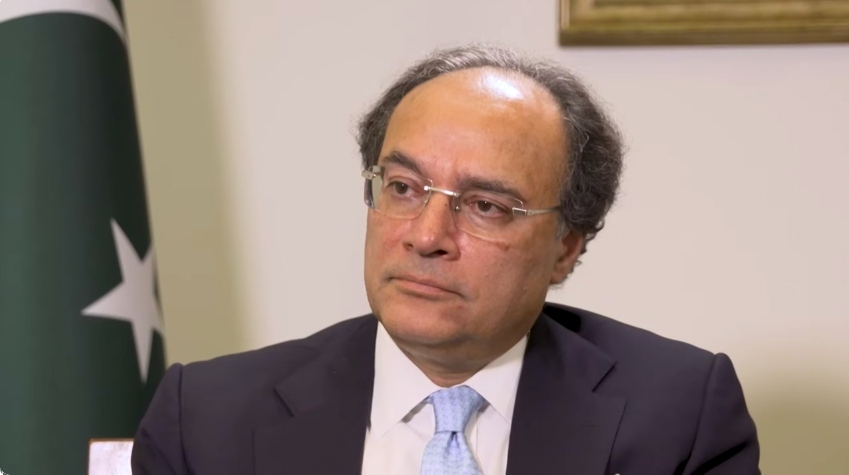
Pakistan has secured a rollover of its $3 billion loan from Saudi Arabia, Finance Minister Muhammad Aurangzeb confirmed on Wednesday, 4 November 2026 — giving the country breathing room on its external financing obligations. The minister said the matter had been deferred to an appropriate time after his meeting with the Saudi side.
Speaking to the media at Parliament House in Islamabad, Aurangzeb expressed confidence in the long-standing economic and bilateral relationship between the two countries. “Given the kind of relationship we have with Saudi Arabia, there is no need for us to worry,” he said, adding that Pakistan does not currently require any further financial support from the Kingdom because its foreign exchange reserves provide approximately three months of import cover.
What the rollover means for Pakistan’s external account
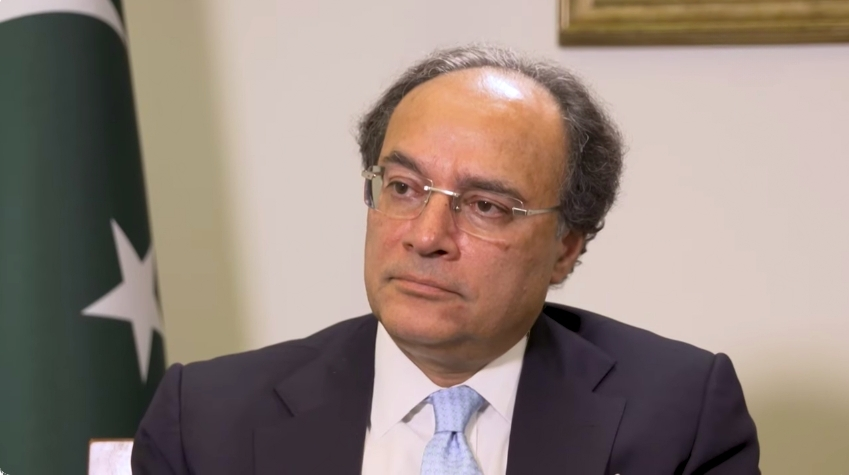
The rollover is a significant relief for Pakistan’s external financing position at a time when the country continues to juggle debt repayments, foreign exchange reserves and its international financial commitments. Rollovers of this kind do not write off the debt — they push the repayment date forward, giving the treasury more space to manage its cash flows and meet upcoming obligations without sudden pressure on reserves.
Aurangzeb said he had held a productive meeting with his Saudi counterpart on the matter, underlining how central the bilateral relationship is to Pakistan’s external financing strategy. The confirmation came directly from the finance minister at Parliament House, where he briefed the media on the outcome of his discussions.
For a country that has been rebuilding its reserves and regaining the confidence of international markets, the rollover removes one near-term uncertainty from the external accounts and keeps the reserve position steady while bigger decisions — like the next IMF tranche — work their way through the pipeline.
No new Saudi support needed right now

The finance minister was careful to separate the rollover from any fresh borrowing. Pakistan, he clarified, does not currently require additional financial support from Saudi Arabia, because its foreign exchange reserves provide about three months of import cover — a healthier position than the thin cushions of the recent past.
Aurangzeb also highlighted Pakistan’s annual Eurobond repayment obligations, saying the country needs to arrange approximately €1.5 billion every year to meet its international bond payments. The government’s priority, he said, was to ensure that these repayments are made smoothly and on time, without creating difficulties for any future administration — a signal that the current government intends to leave the external debt profile cleaner than it found it.
IMF board expected to take up Pakistan’s case in December
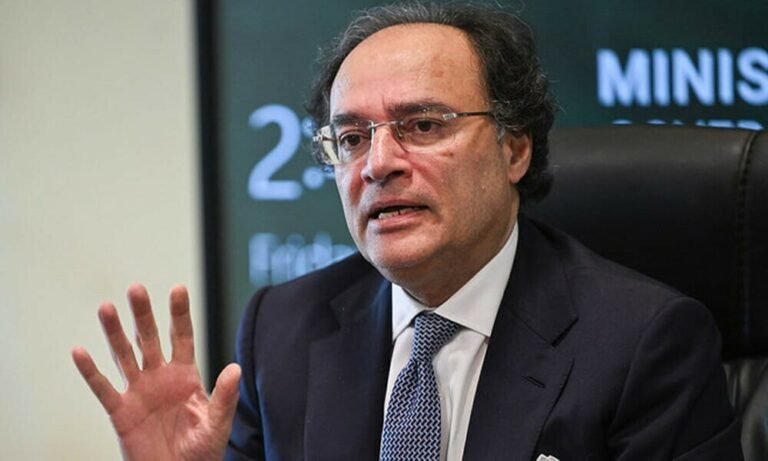
On Pakistan’s ongoing engagement with the International Monetary Fund, the finance minister said the Fund’s Executive Board is expected to consider the next disbursement under Pakistan’s $7 billion programme in December 2026. The staff-level agreement was reached on 8 October 2026, following the fourth review of the Extended Fund Facility and the third review of the Resilience and Sustainability Facility.
If approved, the agreement could unlock approximately $1.2 billion in additional financing, subject to the IMF Executive Board’s sign-off. The minister noted that Pakistan has also been advancing its broader external financing agenda, including its return to international capital markets, as part of efforts to diversify funding sources and strengthen market access.
The bigger picture of Saudi financial support
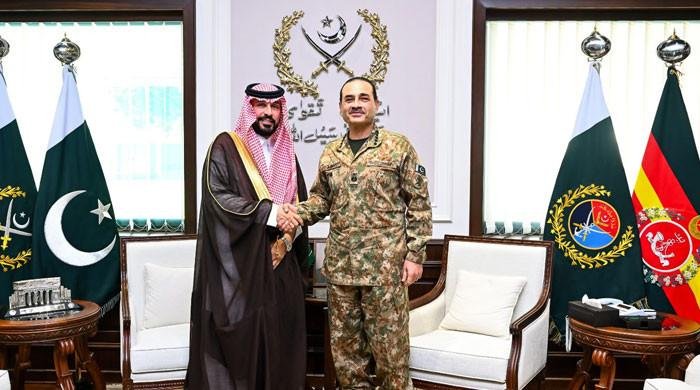
The latest rollover builds on a longer record of Saudi financial backing for Pakistan. In April 2026, Saudi Arabia announced an additional $3 billion deposit for Pakistan, while also extending the tenure of its existing $5 billion deposit with the State Bank of Pakistan beyond the previous annual rollover arrangement.
According to the IMF’s October 2026 assessment, Pakistan’s foreign exchange reserves stood at approximately $21.5 billion at the end of September, reflecting an improvement in the country’s external position. Against that backdrop, the rollover does more than ease one repayment — it signals that Pakistan’s most important bilateral lender remains willing to keep the financing lines open while the country consolidates its recovery.
Related Posts
 BusinessGold Price in Pakistan Surges Rs13,900 Per Tola in One of the Biggest Single-Day Jumps in Weeks
 BusinessKSE-100 Closes Above 172,000 for the First Time After Record 3,995-Point Rally
 BusinessBanks to Stay Closed Three Days From November 7 to 9 as SBP Announces Iqbal Day Holiday
 BusinessPSX Investor Base Surges 47.3% to 681,965 as Young Pakistanis Pile Into Stocks
 BusinessSECP Bans Ponzi and Pyramid Schemes: New 2026 Rules Outlaw Deceptive MLM in Pakistan
 BusinessPakistan’s First SPAC Listing: NGLEL Debuts on PSX Main Board in Historic Gong Ceremony
Most Popular
 How-ToPTA Tax Calculator 2026: Check Mobile Tax on Any Phone416 views
 Pakistan NewsPIA Boeing 787 Lease Deal: What It Means for the Airline388 views
 SportsUEFA Champions League 2026-27: Format, Teams and Schedule381 views
 Canada JobsTech Jobs in Canada: Roles, Salaries, and Skills Needed378 views
 TechnologyPM Shehbaz Sets November Deadline for Alibaba AI and Digitalisation Projects in Pakistan361 views
 ShowbizWomen’s Fashion in Pakistan 2026: Trends, Brands and Style Guide350 views



One comment