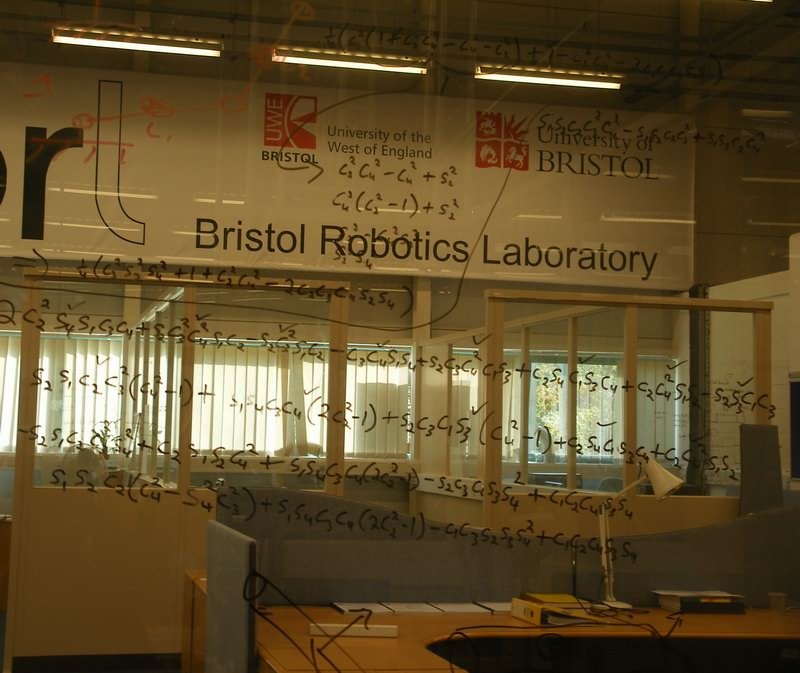
A free robotics programme backed by Saudi oil giant Aramco is aiming to put robotics kits and hands-on engineering lessons into the hands of 10,000 Pakistani students — including children who have never held a robotics kit in their lives.
The Pakistan Innovation Quest is run by the Karachi-based Pi Space Science Education Centre in partnership with the World Robot Olympiad Association, and is funded through Aramco’s Global STEM Education Program. It has already trained more than 6,000 learners and 518 teachers across five cities, and now plans to expand its reach to 10,000 students and 300 teachers across the country.
What the Pakistan Innovation Quest offers
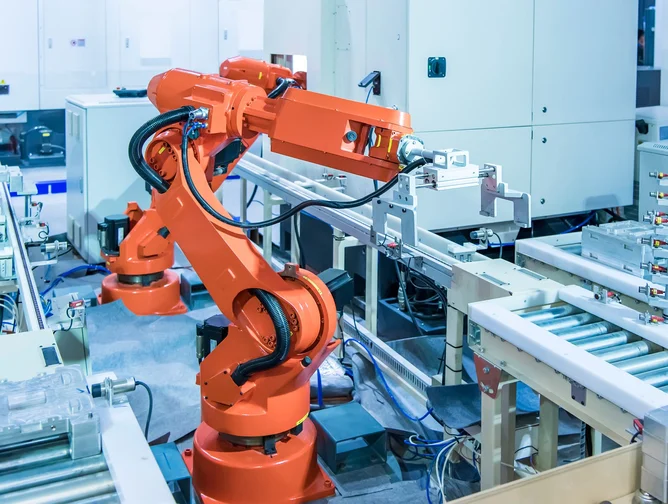
The programme is built around more than 60 one-day training sessions called RoboStarter Sprints, six regional competitions and a national showcase. The sprints combine practical robotics work with the World Robot Olympiad’s Future Innovators project cycle, in which students design solutions to real-world problems and can earn WRO certification for their work.
Teachers are not left out of the plan. They receive professional training so that schools can keep teaching robotics long after the programme’s sessions end, and the organisers plan to donate 100 robotics kits to underserved institutions so students can keep building beyond the initial training.
From Karachi to Kasur: where the training is reaching
So far the training has reached Karachi, Lahore, Hyderabad, Gujranwala and Kasur, and the programme’s organisers say more than 60 institutions have joined its network.
The sessions are offered free of charge in public and private schools, low-income communities, institutions supported by non-governmental organisations and girls’ schools — targeting exactly the children who are usually shut out of such training by cost, distance, gender or disability.
Girls and deaf learners at the centre of the push
The programme is aiming for more than 40 per cent female participation, and training has already been offered free in girls’ schools. At Karachi’s Deaf Reach School, deaf students took part in hands-on robotics sessions with sign language interpreters and trainers — for many of them, it was the first time they had ever handled a robotics kit.
“Talent is universal. Access is not, and that is the divide Pakistan Innovation Quest was created to close,” said Zartaj Ahmed, chief executive and co-founder of the Pi Space Science Education Centre and the national organiser of World Robot Olympiad Pakistan. “We are reaching the child who has never held a robotics kit, the girl who has never imagined herself as an engineer, and the deaf learner who deserves to innovate without barriers.”
The road to the national showcase
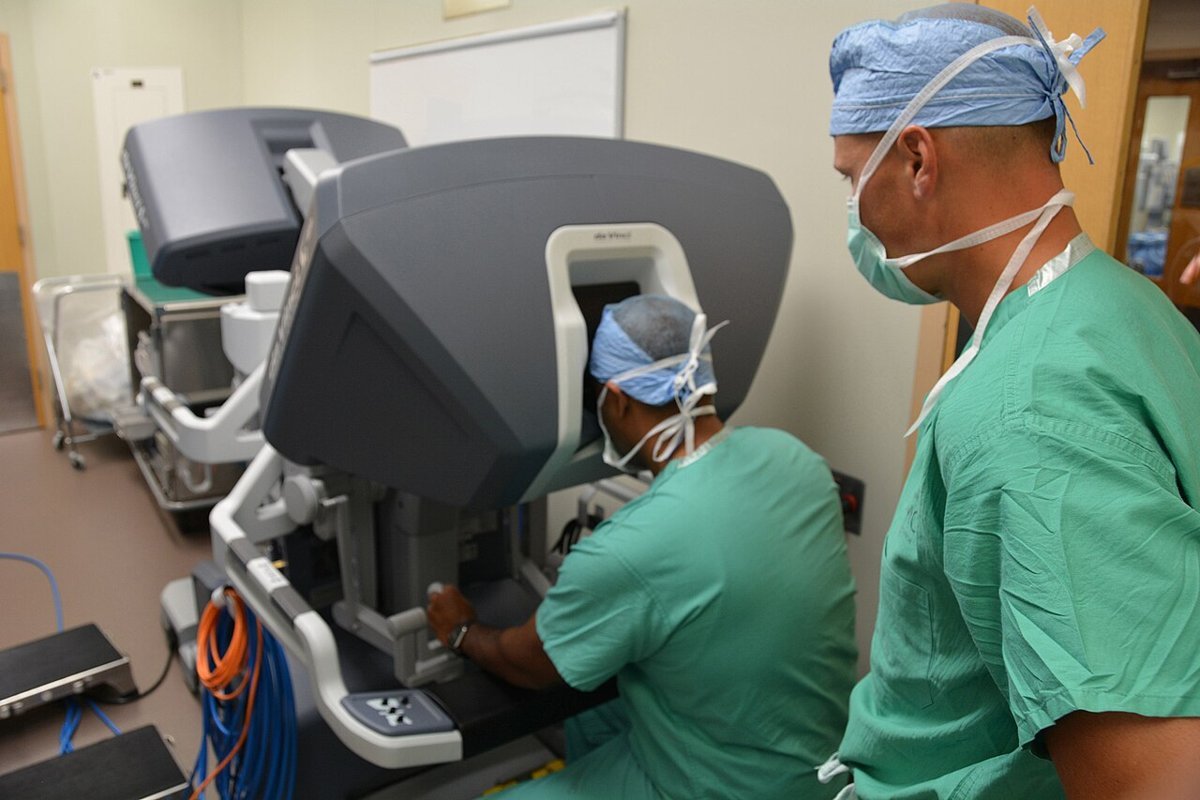
Regional winners will present their projects at the national showcase before school leaders, government officials and international partners, and the strongest teams will gain a route into future WRO Pakistan competitions — part of a global contest that draws students from dozens of countries.
“Our collaboration with PSSEC and the World Robot Olympiad brings 10,000 robotics opportunities to students across Pakistan,” said Hussain N. Hanbazazah, Aramco’s vice president of communications operations and corporate citizenship. “By investing in both students and teachers, we are turning curiosity into capability.”
The initiative arrives as Pakistan accelerates its wider technology push, from national artificial intelligence plans to school-level digital training. It also joins a growing pipeline of science funding, alongside startup grants for young innovators.
One honest caveat for students and schools watching the programme: no dates have yet been announced for the regional competitions or the national showcase, and the organisers have not yet published details of how new schools can apply to join.
The scale of the challenge the programme is trying to address remains large — an estimated 26.2 million Pakistani children are out of school, 13.4 million of them girls, according to an education report cited by The Express Tribune in March, and those in school often lack science labs, let alone robotics equipment. Ten thousand students is a small fraction of Pakistan’s school population, but programmes like this one aim to show what is possible — and to train the teachers who will carry the work forward.
Related Posts
 TechnologyGovernment Offers Up to Rs 70,000 Back on IT Certifications — How to Apply for the PM Reimbursement Programme
 TechnologyOUKITEL WP63 Goes on Sale at $339: Rugged Phone With a Built-In Lighter and a 20,000mAh Battery
 TechnologyAI Is Now Building AI Twice as Fast, Independent Audit of Anthropic Finds
 TechnologyMicrosoft Walks Away From Oracle AI Cloud Deal as Old Nvidia Chips Fall Short — Oracle Shares Slide 4%
 TechnologyTesla Cybertruck Production Ends as Cybercab Takes Over
 TechnologyBYD Yangwang U9 Xtreme Becomes First Production Car to Pass 500 km/h at 503.17 km/h
Most Popular
 How-ToPTA Tax Calculator 2026: Check Mobile Tax on Any Phone417 views
 Pakistan NewsPIA Boeing 787 Lease Deal: What It Means for the Airline389 views
 Canada JobsTech Jobs in Canada: Roles, Salaries, and Skills Needed387 views
 SportsUEFA Champions League 2026-27: Format, Teams and Schedule384 views
 TechnologyPM Shehbaz Sets November Deadline for Alibaba AI and Digitalisation Projects in Pakistan364 views
 ShowbizWomen’s Fashion in Pakistan 2026: Trends, Brands and Style Guide360 views



One comment