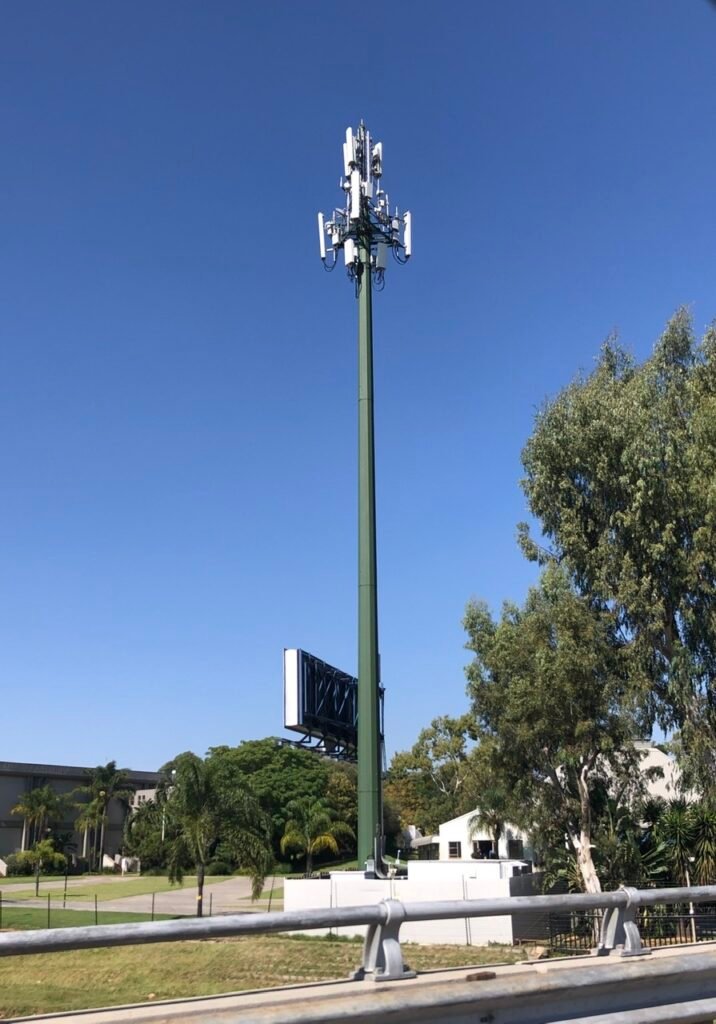
Pakistan’s telecom regulator has finally put a hard number on the country’s 5G ambitions: every licensed cellular mobile operator must deploy 2,000 5G sites by 2028. The target is part of Phase I of Pakistan’s commercial 5G rollout, running from 2026 to 2028, and is laid out in an official document of the Pakistan Telecommunication Authority that was seen by Wealth Pakistan (INP-WealthPk), which reported the details on 31 October 2026.
The document reads as both a rollout plan and a scoreboard. It names the site target each operator must hit, orders upgrades to existing 4G sites in the capitals, pushes fibre deeper into the network, and raises the quality bar for mobile speeds across the country — with the PTA itself set to monitor whether operators meet their rollout obligations and service-quality benchmarks. That is what the PTA 5G rollout target 2028 really means: not a slogan, but a phased, measurable build-out that runs beyond 2028.
2,000 5G sites per operator — and capital-city upgrades
The headline figure is unambiguous: each operator must have 2,000 5G sites deployed by the end of 2028. Alongside it, the document orders that at least 20% of existing 4G sites in the federal and provincial capitals be upgraded to 5G — meaning the first wave of true 5G coverage will land in Islamabad, Karachi, Lahore, Quetta and Peshawar.
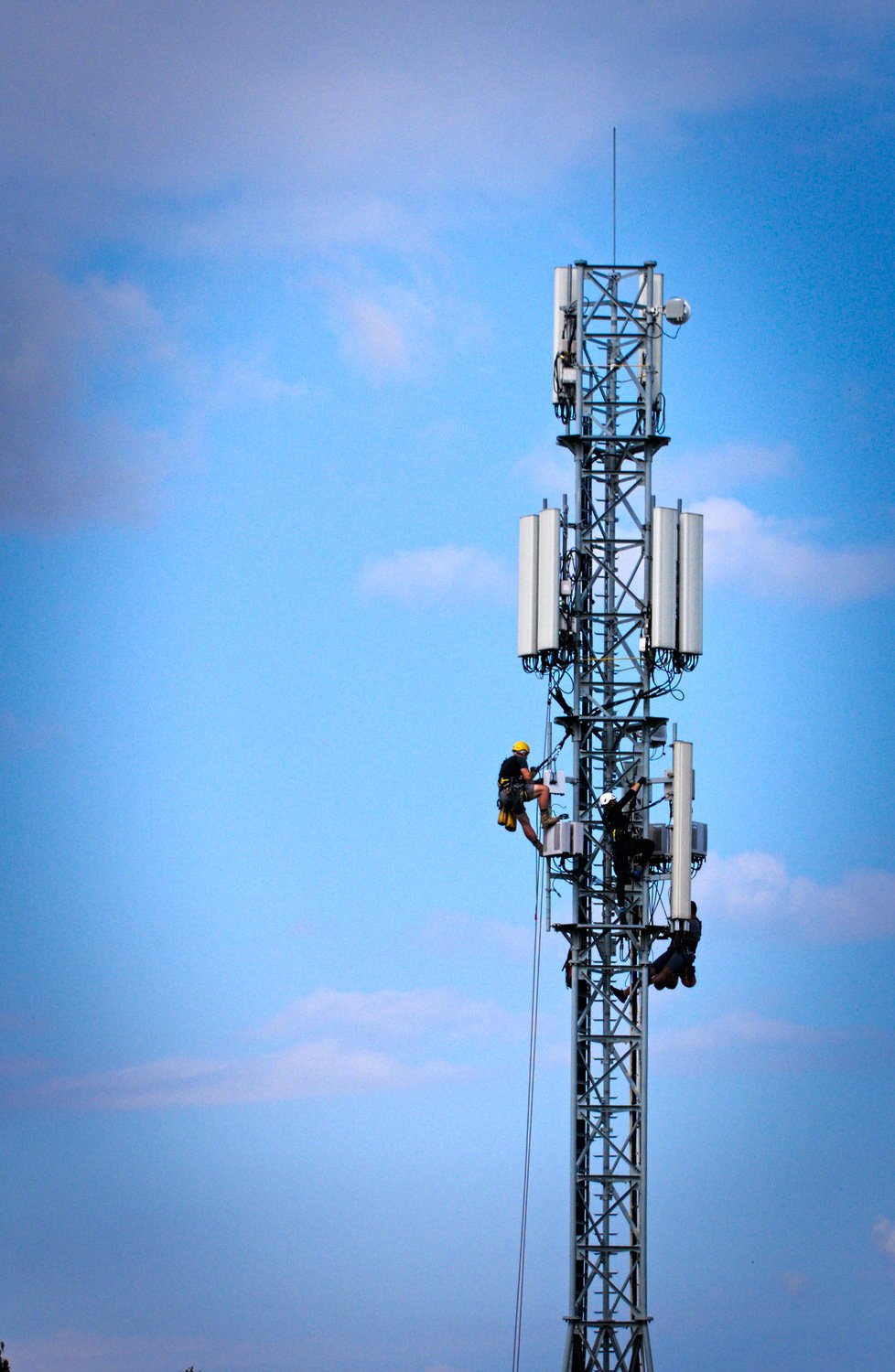
The regulator is also pushing the network’s foundations, not just its radio antennas. The Fiber-to-the-Tower (FTTS) ratio — the share of towers connected by fibre rather than microwave links — is to be raised to 20%, a step that directly determines how fast a 5G site can actually run. Compliance will not be self-certified: the PTA says it will track operators against these rollout obligations and the service-quality benchmarks attached to them.
A fivefold jump for 4G — and a 100 Mbps horizon for 5G
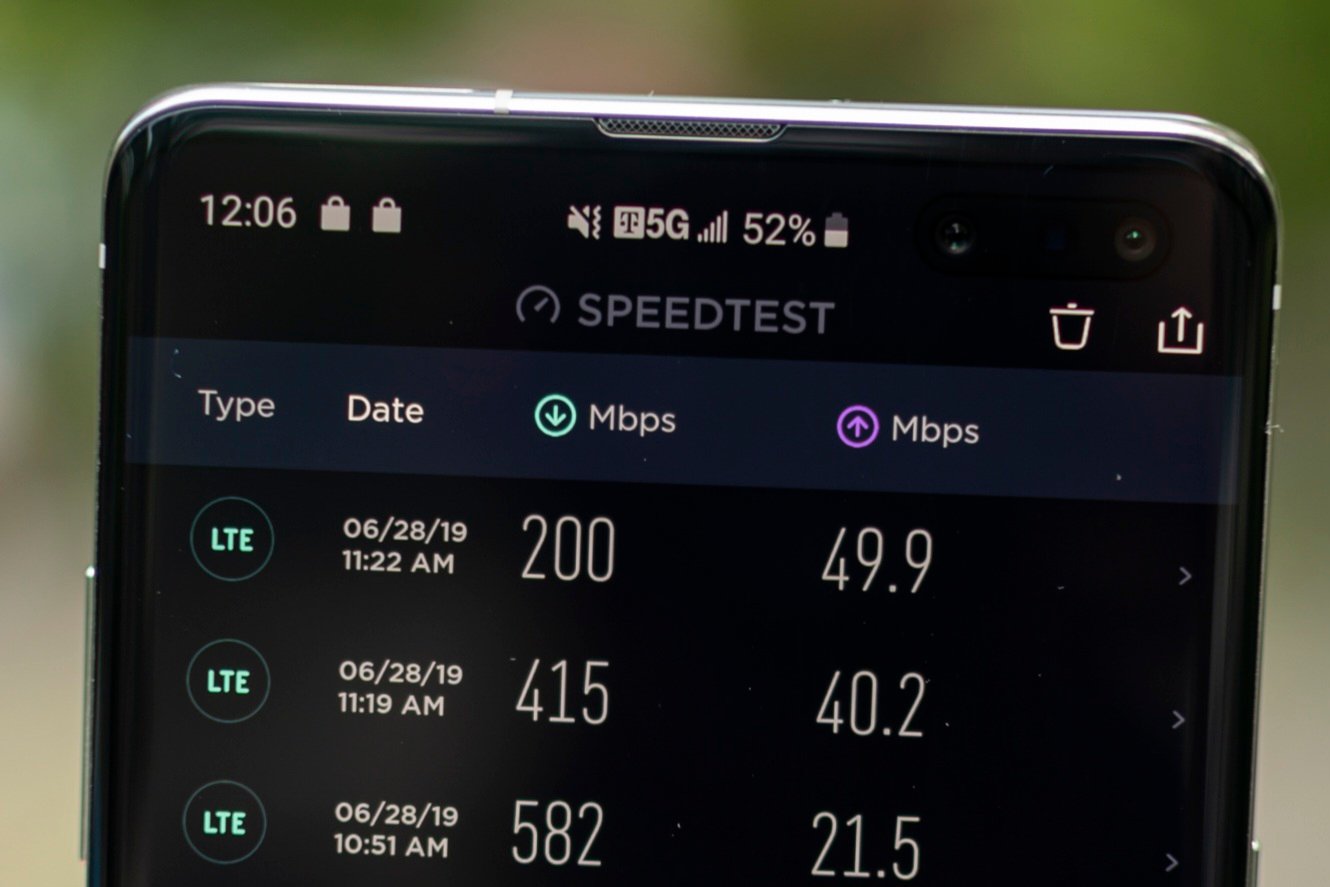
The document is not only about new towers; it rewrites what “good” mobile internet means in Pakistan. Average 4G throughput, currently around 4 Mbps, is to be lifted to a median of 20 Mbps — a fivefold improvement that would change what users can realistically do on today’s networks.
For 5G itself, the floor starts at a minimum baseline of 50 Mbps and rises to a phased target of 100 Mbps median. That is the speed the PTA expects once the rollout matures, and it puts the 2,000-sites-per-operator target in perspective: the sites are the means, and consistent high speeds are the end.
Where the rollout stands now
The document also gives a snapshot of where the rollout stood. Per its figures, Jazz had 176 5G sites, CMPak (Zong) had 147, and Ufone had 22 — 345 sites across the three operators combined. These are the document’s own figures; other published counts of 5G sites have differed, so they should be read as the regulator’s snapshot rather than a single settled live count.
Getting there has involved heavy lifting behind the scenes: procurement and import of telecom equipment, integration of newly assigned spectrum bands, network modernisation, and preparations around 5G handsets. According to the report, operators are already making 5G available in areas where base-station upgrades are complete, while the PTA keeps watch on the obligations ahead.
With the 2028 target now on paper, the next two years will test execution. The sites, the fibre, the spectrum and the handsets all have to arrive together — and the PTA’s phased strategy, which runs beyond 2028, suggests this is the beginning of the build rather than the finish line.

Sources: INP-WealthPk (Abdul Ghani); Pakistan Telecommunication Authority.
Related Posts
 Technology‘SMS of Death’: A Single Text Message Can Crash Your Android Phone — No Click Needed
 Technology326 Cyber Threats Hit Pakistan in a Year, PTA’s Dark Web Report Reveals
 TechnologyOppo Reno17 Series Confirmed for November 2026 Launch in China
 TechnologyPVARA Under AML Law: Pakistan’s Crypto Regulator Gets Bank-Level Powers
 TechnologySBP Releases Draft Open Banking Regulations for Public Consultation
 TechnologyPunjab Bans Smart Glasses and Hidden-Camera Gadgets for 30 Days: What Is Covered and What Is Not
Most Popular
 How-ToPTA Tax Calculator 2026: Check Mobile Tax on Any Phone348 views
 SportsUEFA Champions League 2026-27: Format, Teams and Schedule328 views
 SportsBallon d’Or 2026: London Ceremony, Nominees and All-Time Records Ahead of 70th Anniversary325 views
 Canada JobsTech Jobs in Canada: Roles, Salaries, and Skills Needed317 views
 Pakistan NewsPIA Boeing 787 Lease Deal: What It Means for the Airline307 views
 ShowbizWomen’s Fashion in Pakistan 2026: Trends, Brands and Style Guide301 views