One year, 326 threat indicators
Pakistan’s telecom regulator spent the past year reading the internet’s underworld — and what it found fills a worrying ledger. The Pakistan Telecommunication Authority’s annual cyber security report for 2025-26 says its National Telecommunications Security Operations Centre, known as nTSOC, logged 326 significant cyber threat indicators on the dark web between July 2025 and June 2026. The figures were reported this week by technology outlets covering the report, which had not yet been published in full on the PTA website at the time of writing.
The tracking works like this: nTSOC analysts read underground forums and marketplaces, subscribe to paid threat-intelligence services and scan public sources, then cross-check what they find against other threat feeds to judge how serious it is and what deserves to be chased. The PTA says this catches compromised assets and malicious activity that ordinary network monitoring misses.

Defacements lead, leaks and DDoS follow
The 326 indicators break into four groups. Website defacements top the list at 174 — more than half of the total — followed by 87 data leaks, 41 distributed denial-of-service threats and 24 cases of sensitive information being sold or advertised on dark web forums and illegal marketplaces.
The regulator’s reading of its own numbers is blunt. Defacements, it says, show a steady effort to break into online platforms. Data leaks matter because exposed usernames and passwords can be picked up and reused by criminals. Denial-of-service threats endanger systems that face the internet directly, while the 24 sale listings point to an active underground trade in stolen information.
The report also charts requests to block web addresses and social media accounts over the same twelve months. Those requests peaked in September 2025 and then fell away — and for most months, accounts on social platforms made up the bigger share of the block list. For context, the regulator’s separate nationwide drive to physically inspect mobile sites crossed 900 inspected sites this month.
A warning for the 5G era
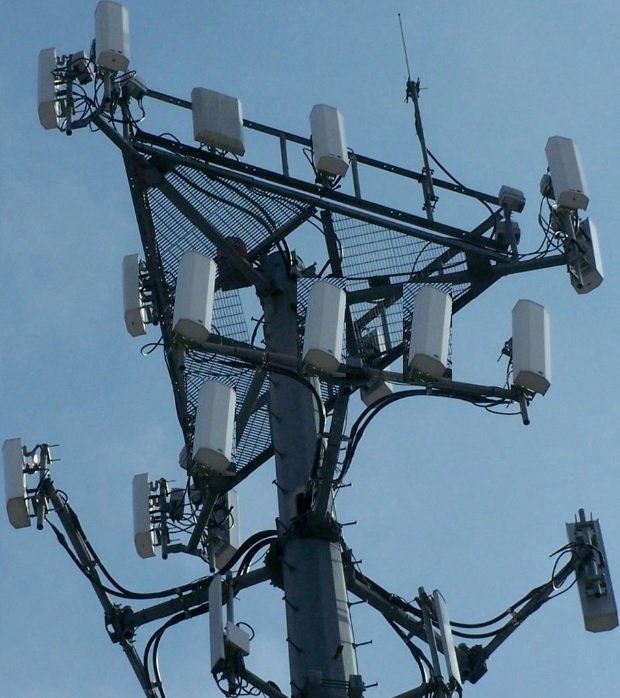
The same report looks ahead to Pakistan’s 5G rollout — and the outlook is cautious. The PTA lists subscriber data theft, real-time location tracking and denial-of-service attacks among the main risks, warning that weak spots exist across devices, the radio network, core functions, application interfaces and cloud-hosted systems.
The 5G core is singled out as a prime target because it stores subscriber records and session data, while edge networks built on distributed, containerised workloads carry extra risk of their own. To counter this, the authority has issued 5G Security Guidelines that favour prevention over repair: operators are expected to adopt zero-trust network architectures, secure boot processes and AI-driven anomaly detection, and to use concealed subscriber identifiers so that permanent credentials cannot be picked up over the air.
What it means for Pakistan’s digital defences
The numbers land at a moment when cyber threats are already in the national conversation. This week the PTA chairman warned that Pakistan is a prime target for cyberattacks, with fake OTP messages and manipulated videos reaching citizens daily, while Telenor Pakistan picked up the regulator’s top cybersecurity award for the third year running.
There are reasons to read the report as both a warning and a work plan. The regulator says its dark web monitoring catches what ordinary systems miss, and its 5G guidelines push operators toward modern defences. But the steady drumbeat of defacements and leaks suggests attackers are not slowing down. For ordinary users, the takeaways are familiar but urgent: guard login credentials, treat unexpected messages with suspicion and keep devices updated. The full report has not been published on the PTA’s website as of this writing — the figures above are as reported from it.
Sources: Tech Prolonged; TechJuice.
Related Posts
 TechnologyOppo Reno17 Series Confirmed for November 2026 Launch in China
 TechnologyPVARA Under AML Law: Pakistan’s Crypto Regulator Gets Bank-Level Powers
 TechnologySBP Releases Draft Open Banking Regulations for Public Consultation
 TechnologyPunjab Bans Smart Glasses and Hidden-Camera Gadgets for 30 Days: What Is Covered and What Is Not
 TechnologyApple Music Launches in Pakistan: Prices, Plans and PayPak Payments Explained
 TechnologyPTA Chief Warns Pakistan a ‘Prime Target’ for Cyberattacks: Fake OTP Messages, Thousands of Fake Videos Hit Citizens Daily
Most Popular
 How-ToPTA Tax Calculator 2026: Check Mobile Tax on Any Phone347 views
 SportsUEFA Champions League 2026-27: Format, Teams and Schedule328 views
 SportsBallon d’Or 2026: London Ceremony, Nominees and All-Time Records Ahead of 70th Anniversary325 views
 Canada JobsTech Jobs in Canada: Roles, Salaries, and Skills Needed317 views
 Pakistan NewsPIA Boeing 787 Lease Deal: What It Means for the Airline306 views
 ShowbizWomen’s Fashion in Pakistan 2026: Trends, Brands and Style Guide300 views