
The National Cyber Crime Investigation Agency (NCCIA) has arrested two suspects accused of blackmailing thousands of Pakistani citizens through fake loan apps, after its Peshawar Circle uncovered an illegal lending network operating from Shangla district in Khyber Pakhtunkhwa.
The arrests mark another major blow in the agency’s widening crackdown on fake loan app scams that have trapped borrowers across the country. The suspects allegedly lured people with the promise of quick, small loans — then turned their phones into weapons for extortion.
According to the NCCIA, the fake loan apps were listed on the Google Play Store, where they looked like legitimate digital lending services. Once a borrower installed one of the apps and applied for a loan, the app quietly harvested far more than the application form asked for.
How the fake loan apps trapped borrowers

The scheme worked in three stages, the NCCIA spokesperson explained. First, the fake loan apps advertised small, easy loans on the Google Play Store to attract users who needed cash urgently. The listings gave no hint of what would happen after installation.
Second, once installed, the apps demanded access to the borrower’s contact lists and photo galleries — permissions far beyond what any legitimate lender needs. Most users, desperate for the promised loan, tapped “allow” without thinking twice.
Third came the trap. Instead of fair lending, the suspects used the stolen contacts and private photos to harass victims and their relatives with repeated calls and messages, demanding large sums of money. The blackmail turned a small loan application into a nightmare for thousands of families.
The Shangla raid: what NCCIA seized
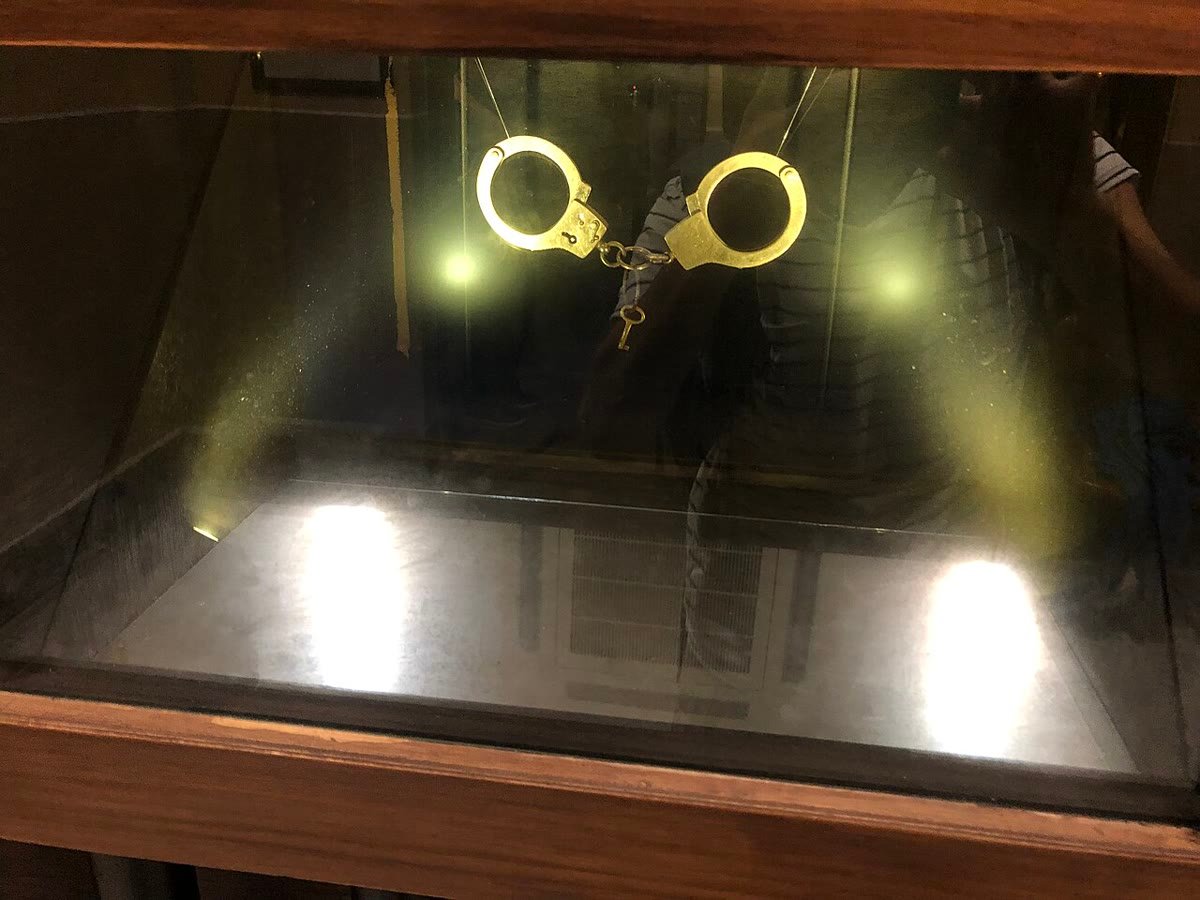
Acting on the findings of its Peshawar Circle, the NCCIA raided the network’s base in Shangla and took two suspects into custody. During the operation, investigators recovered more than 30 laptops and mobile phones used in the scam.
The agency also seized personal data, call detail records (CDRs) and contact records from the suspects — the raw material of the blackmail operation. A case has been registered under the Prevention of Electronic Crimes Act (PECA) 2016, and forensic analysis of the seized devices is now under way to map the full extent of the network.
The NCCIA said it has stepped up action against illegal loan apps across the country, signalling that more raids are likely. The Shangla action follows a separate NCCIA operation earlier this month in Lahore, where 39 people were arrested in connection with a different fake loan-app network, as reported by TechJuice — a sign that the scam has spread to multiple cities.
Shangla: the district at the centre of the case

Shangla, a mountainous district in Khyber Pakhtunkhwa, is an unlikely-looking headquarters for a cybercrime network — which is precisely why such operations choose remote bases, investigators say. The NCCIA’s Peshawar Circle, which covers the province, traced the digital trail of the fake loan apps back to the district before moving in.
The case underlines how digital crime in Pakistan no longer respects geography: a borrower in Karachi or Lahore could be blackmailed by a network running from a valley hundreds of kilometres away, with nothing but a smartphone app connecting them.
For thousands of victims, the damage went beyond money. The suspects’ access to photo galleries and family contact lists meant the harassment reached parents, siblings and friends — turning private data into a tool of fear.
How to protect yourself from fake loan apps
The NCCIA spokesperson issued a clear warning to the public: do not install unverified loan apps, and never grant a lending app access to your contacts or photo gallery. A genuine lender has no legitimate reason to see your family photos or call your relatives.
Cybersecurity experts echo the advice. Before installing any financial app, check the developer’s name and history on the Play Store, read recent reviews for complaints about harassment, and ask whether a licensed bank or microfinance institution stands behind the offer. If an app demands your entire contact list on day one, treat that as a red flag and delete it.
Anyone already targeted by such a network can report the matter to the NCCIA, which has asked citizens to come forward so investigators can build stronger cases. With forensic analysis of the seized devices still under way, officials say the Shangla case may yet reveal more victims — and more arrests.
Sources: TechJuice; GTV News. Related on UrduPro: NCCIA Arrests 15 Suspects in Lahore and Multan Cybercrime Raids
Related Posts
 TechnologyMotorola Signature 27 Launches November 5: 200MP Periscope Zoom, Snapdragon 8 Elite Extreme Gen 6
 TechnologyAI Conference in Karachi Concludes: Scientists Call for Responsible AI to Protect Environment
 TechnologyPakistan’s National CERT Warns: Phones Can Be Hacked Through Ads — No Click Needed
 TechnologyPIA Boeing 787 Dreamliner Cleared to Fly in Pakistan — First Flight PK-786 Departs London Today
 TechnologyOpenAI and Google Back Shared Robots.txt AI Training Preference Signal
 TechnologyOneOffice and ZIEL Global Bring Affordable Cloud Office Suite to Pakistan
Most Popular
 How-ToPTA Tax Calculator 2026: Check Mobile Tax on Any Phone335 views
 SportsBallon d’Or 2026: London Ceremony, Nominees and All-Time Records Ahead of 70th Anniversary321 views
 SportsUEFA Champions League 2026-27: Format, Teams and Schedule321 views
 Canada JobsTech Jobs in Canada: Roles, Salaries, and Skills Needed311 views
 Pakistan NewsPIA Boeing 787 Lease Deal: What It Means for the Airline297 views
 ShowbizWomen’s Fashion in Pakistan 2026: Trends, Brands and Style Guide296 views