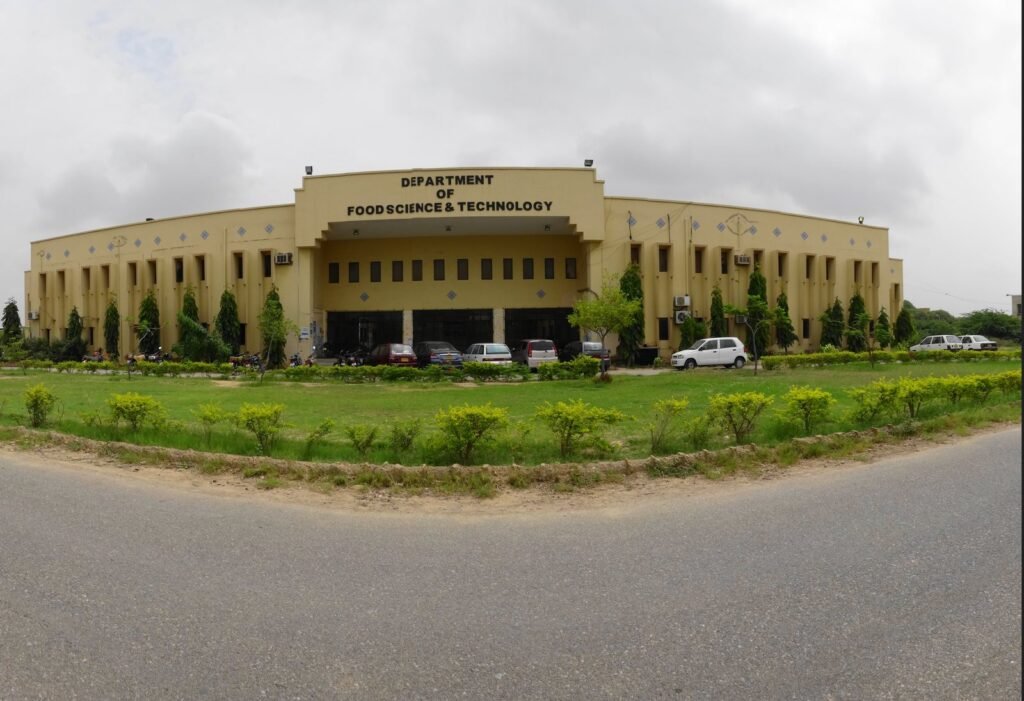
KARACHI — A three-day international conference on artificial intelligence and environmental protection concluded in Karachi on Thursday, with Pakistani and international scientists calling for the responsible use of AI to fight climate change, protect ecosystems and promote sustainable development.
The AI conference in Karachi, titled “Smart Solutions for a Green Future: AI in Ecosystem and Climate Action 2026”, was held from October 27 to 29 at the International Center for Chemical and Biological Sciences (ICCBS) at the University of Karachi. It was jointly organised by the Federal Urdu University of Arts, Science and Technology (FUUAST), the Pakistan Academy of Sciences, ICCBS, the China-based Alliance of National and International Science Organizations (ANSO) and the China-Pakistan Joint Research Center on Earth Sciences, with other scientific institutions taking part.
Three days at ICCBS: AI meets climate action
The AI conference in Karachi brought together leading scientists, technologists, policymakers, researchers and students for plenary and technical sessions on AI-based climate modelling and early warning systems, smart agriculture and precision ecosystem management, big data applications in biodiversity monitoring, and AI governance for environmental ethics.
Researchers and faculty from Quaid-i-Azam University, the University of Haripur, FUUAST Islamabad and other universities and research institutions presented research papers, while students showcased their work through research posters. International students and scholars from several countries also participated, alongside an interactive discussion among senior professors on green journalism and related fields.
Keynote: Dr Atta-ur-Rahman urges AI skills for teachers and researchers
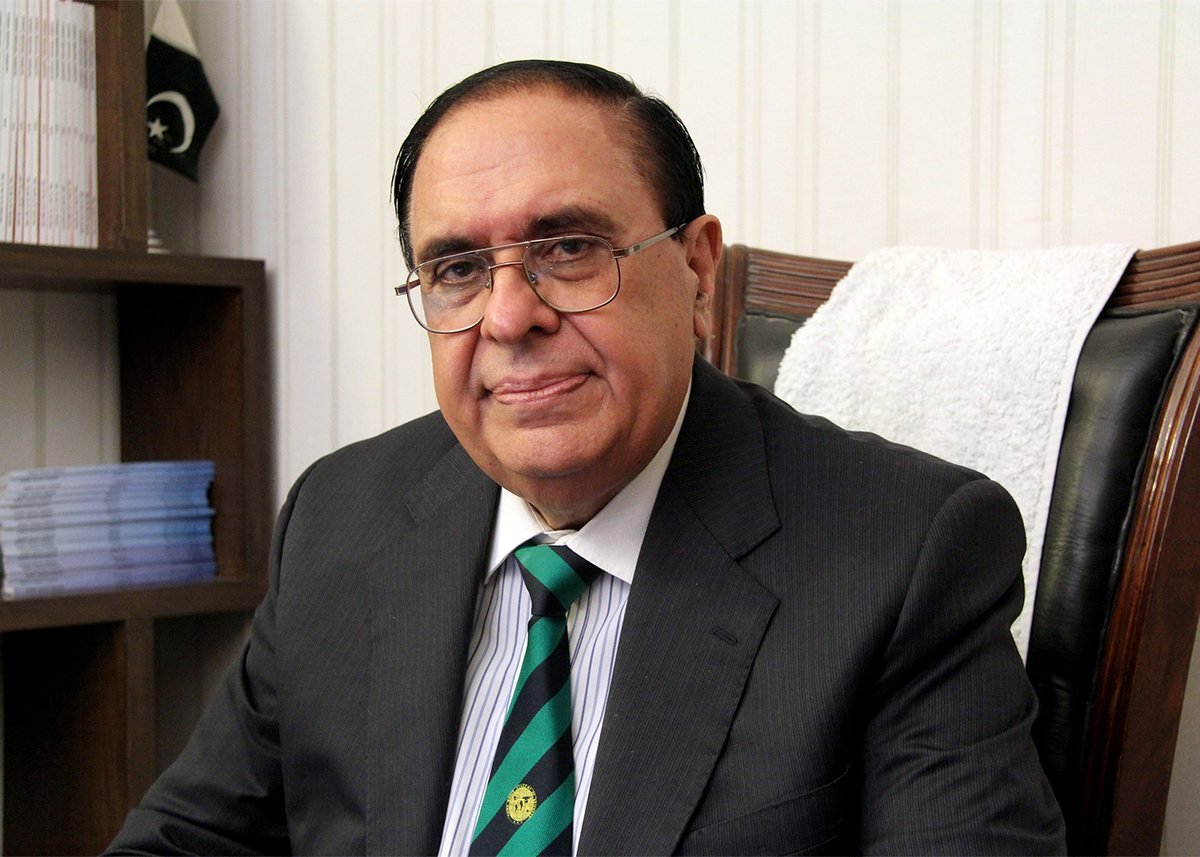
In his keynote address at the AI conference in Karachi, former federal minister for science and technology Dr Atta-ur-Rahman said artificial intelligence, despite being a product of human intelligence, had emerged as a transformative reality, creating new opportunities in education, business and other sectors. He stressed that researchers and teachers must develop AI-related skills to keep pace with rapid technological advancement.
According to reports of the inaugural session, Dr Atta-ur-Rahman also warned that Pakistan’s investment in research and development was dismal — not even 0.2 per cent of GDP — whereas it should be ten-fold higher. FUUAST Vice Chancellor Prof Dr Zabta Khan Shinwari said the university is making efforts to stay aligned with emerging scientific research, and recalled that its Islamabad campus had organised a Green Journalism Conference in June through its Department of Mass Communication.
China–Pakistan science ties in focus
Chinese Professor Dr Hong, Director General of the China-Pakistan Joint Research Centre for Geology, said China is keen to promote scientific advancement and environmental protection in Pakistan and welcomed young Pakistani scholars to Chinese research institutions. Describing Pakistan as a remarkable country, he said Prof Dr Zabta Khan Shinwari is presenting Pakistan’s scientific and academic face to the international community.
Prof Dr Shinwari delivered a special scientific lecture titled “Ecosystem to South-South Cooperation” at the concluding ceremony, while FUUAST Deputy Chair of Senate Qazi Abdul Muqtadir said the conference addressed the demands of the present era and praised the faculty’s efforts to advance scientific and intellectual development. The ICCBS head termed the conference beneficial for students and researchers from diverse academic disciplines and expressed satisfaction over hosting a major international academic gathering at the institute.
The declaration: AI as an essential tool, used responsibly
The declaration issued at the AI conference in Karachi underscored that AI has become an essential tool of the modern era, but stressed that its safe, ethical and responsible application must remain a priority. It called for greater use of AI in environmental monitoring, agricultural advancement, conservation of natural resources and developing practical solutions to emerging environmental and climate-related challenges.
Former head of the Pakistan Academy of Sciences and renowned scientist Dr Qasim Jan discussed the applications of artificial intelligence in geology, while psychologists Iqbal Afridi and Ubaid Ali shared their perspectives during the concluding session. Prof Dr M Raza Shah, Director ICCBS, said the moot aimed to bring together AI, environmental science and emerging technologies to explore practical solutions to climate change and ecosystem challenges — noting that ICCBS has established a Center for Artificial Intelligence in Health Sciences.
Sources: APP dispatch on the concluding ceremony; FUUAST conference announcement.
Related Posts
 TechnologyPakistan’s National CERT Warns: Phones Can Be Hacked Through Ads — No Click Needed
 TechnologyPIA Boeing 787 Dreamliner Cleared to Fly in Pakistan — First Flight PK-786 Departs London Today
 TechnologyOpenAI and Google Back Shared Robots.txt AI Training Preference Signal
 TechnologyOneOffice and ZIEL Global Bring Affordable Cloud Office Suite to Pakistan
 TechnologyPoco X8S Launches Globally: Compact 6.35-Inch Phone With Snapdragon 7 Gen 4, 100W Charging From $399
 TechnologyEcoStar Launches 100-Inch QD Mini LED TV in Pakistan — Biggest Screen, Cinema-Scale 4K
Most Popular
 How-ToPTA Tax Calculator 2026: Check Mobile Tax on Any Phone335 views
 SportsBallon d’Or 2026: London Ceremony, Nominees and All-Time Records Ahead of 70th Anniversary321 views
 SportsUEFA Champions League 2026-27: Format, Teams and Schedule321 views
 Canada JobsTech Jobs in Canada: Roles, Salaries, and Skills Needed311 views
 Pakistan NewsPIA Boeing 787 Lease Deal: What It Means for the Airline297 views
 ShowbizWomen’s Fashion in Pakistan 2026: Trends, Brands and Style Guide296 views