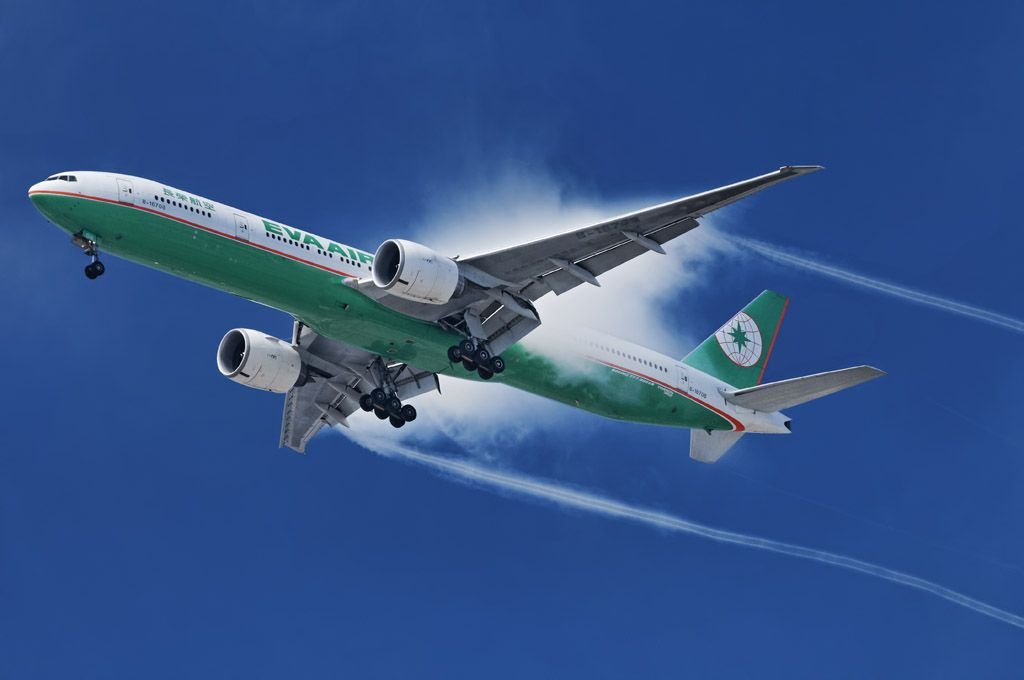
Pakistan has restored overflight rights for Taiwan’s two biggest airlines just days after their flights stopped crossing Pakistani airspace, ending a brief but diplomatically charged standoff that made headlines across Asia and Europe.
On Wednesday, 28 October 2026, Pakistan’s Civil Aviation Authority issued fresh overflight permits for China Airlines and EVA Air, the two major Taiwanese carriers, authorising them to fly through Pakistani airspace from 28 October 2026 until 27 March 2027, according to documents reviewed by Dawn and Bloomberg.
The permits arrived after several days in which flight-tracking data showed both carriers avoiding Pakistan entirely, forcing Asia-Europe services onto longer alternate routes. The episode marks what analysts described as the first time any country had been reported to exclude Taiwanese commercial airlines from its airspace on the grounds of the One-China policy — and then quietly reversed course within days.
From restriction reports to the 28 October reversal
Confusion began building over the weekend of 24-25 October. China Airlines and EVA Air operated 14 flights through Pakistani airspace on Saturday, 24 October, but by the morning of Sunday, 25 October, both carriers had stopped using the corridor, according to flight-tracking data cited by Bloomberg.
At least a dozen flights between Asia and Europe were rerouted as a result, with some services flying over Russian airspace — a route Taiwan’s carriers had largely avoided for years. The sudden change in flight paths was the first public signal that something had shifted in Islamabad’s aviation posture.
The answer came on Wednesday, when Pakistan’s Civil Aviation Authority documents authorised both airlines’ passenger and cargo flights through Pakistani airspace for a five-month window ending 27 March 2027. The documents, reviewed by Dawn, did not explain whether the new permits reversed an earlier formal ban or represented an extension of existing arrangements — a key ambiguity, since the authority was reported not to have issued any formal aviation notice announcing a restriction in the first place.
Khawaja Asif’s One-China statement
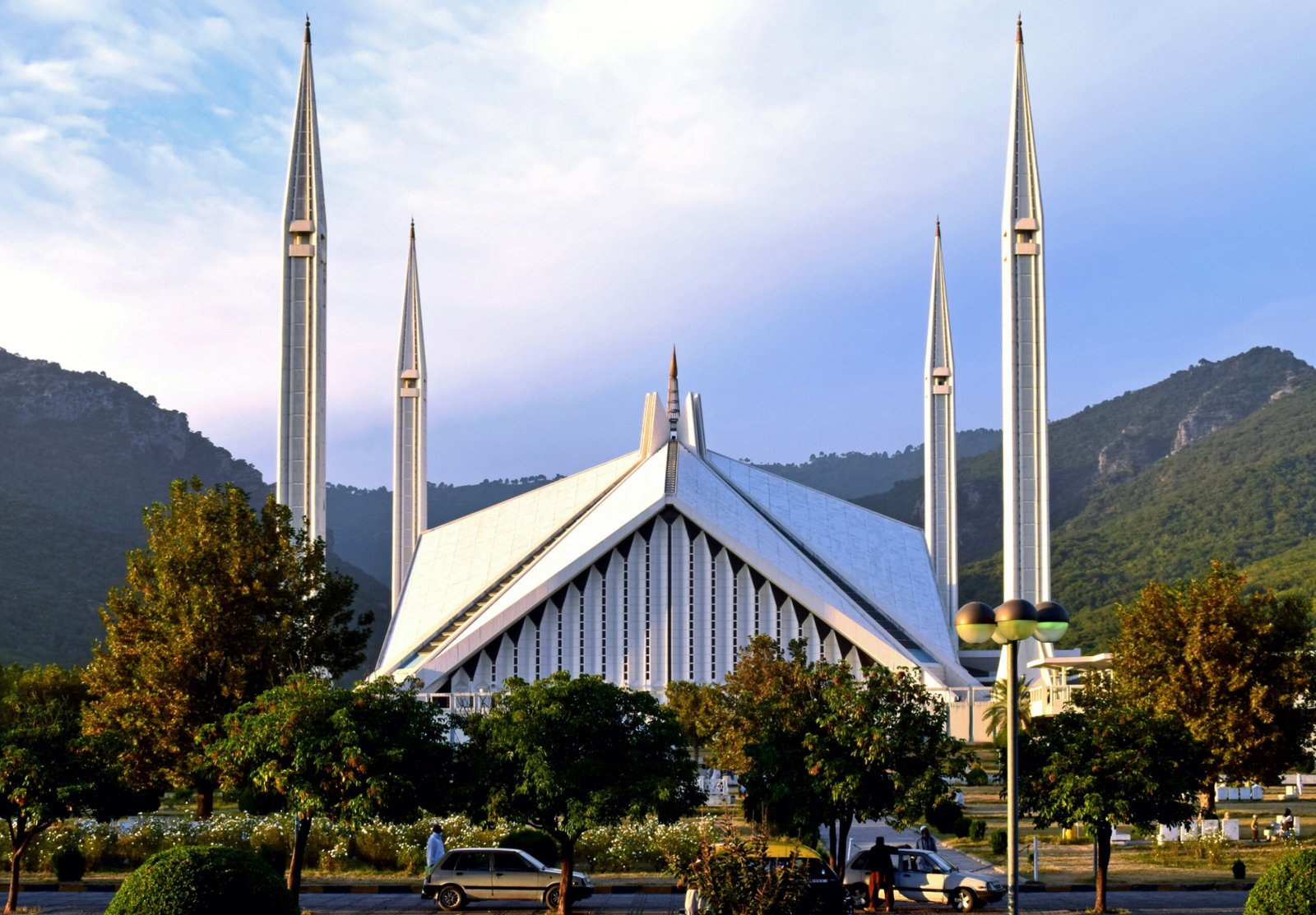
Earlier in the week, Defence Minister Khawaja Asif — who also oversees aviation — confirmed to Bloomberg that Pakistan had restricted Taiwanese carriers from its airspace, explicitly linking the move to Islamabad’s long-standing support for Beijing’s One-China policy.
“The aviation division follows the One China policy — only mainland China is allowed,” Asif said, according to the report. His remarks made Pakistan the only country reported to have taken such a step against Taiwanese commercial aviation.
The minister’s position drew attention because it appeared stricter than mainland China’s own approach: Taiwanese airlines are permitted to operate in Chinese airspace. Pakistan has recognised the People’s Republic of China since 1951 and consistently supports Beijing’s position that Taiwan is part of China; Islamabad maintains no formal diplomatic relations with Taipei.
Asif made no immediate further comment after the 28 October permits were issued, and as of 29 October, Pakistani officials had not publicly explained the discrepancy between the minister’s statement and the subsequent overflight approvals.
How the airlines rerouted — and Taiwan’s angry response
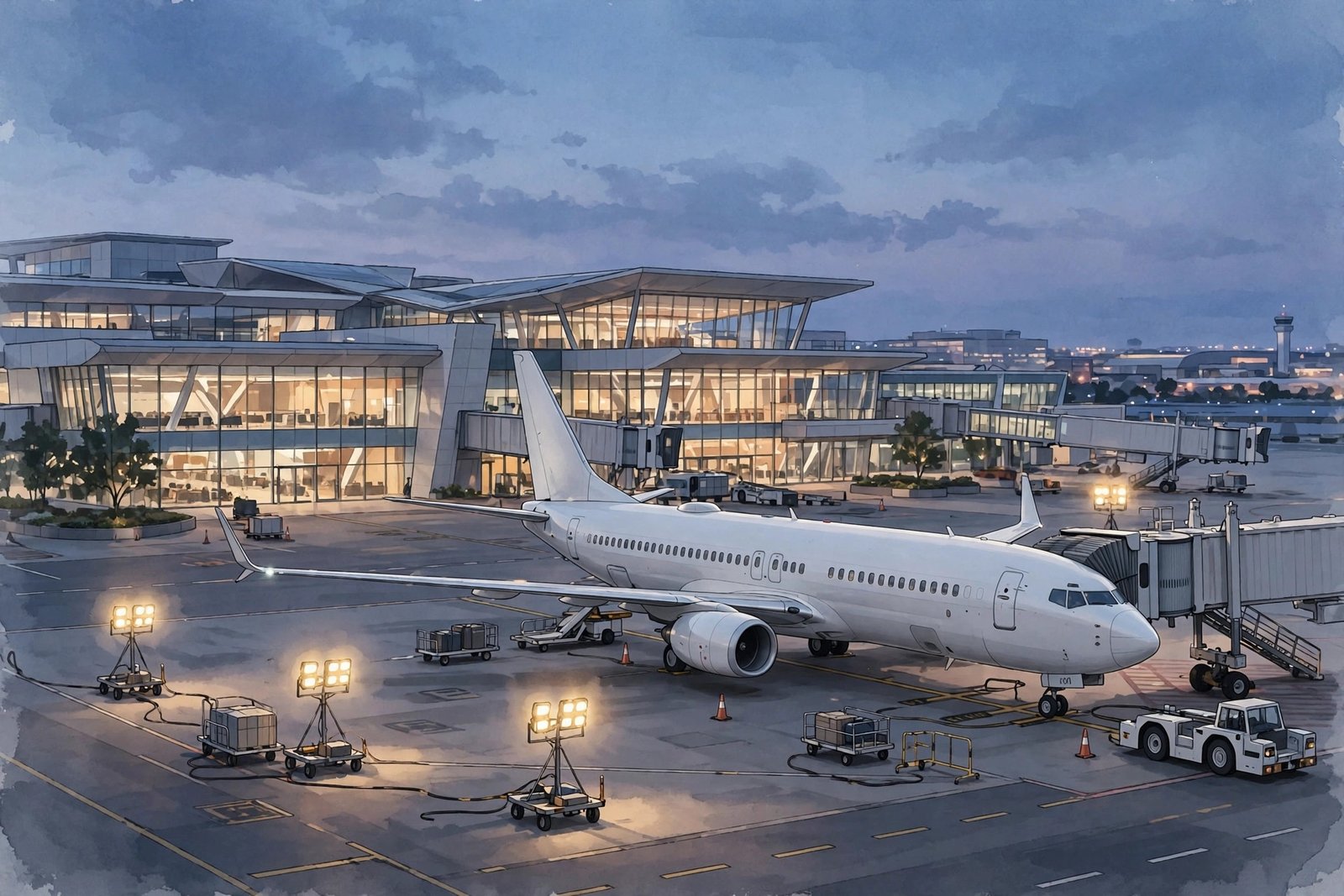
The operational impact was immediate and visible. Flight-tracking data cited by Bloomberg showed China Airlines and EVA Air rerouting flights away from Pakistan from 25 October, with at least 12 Asia-Europe services taking longer paths over Russia since that Sunday.
Taiwan’s foreign ministry reacted sharply to the reported restriction. It strongly condemned Pakistan’s position, accusing Islamabad of following China’s line, undermining Taiwan’s sovereignty, and politicising and weaponising airspace, according to Taiwan’s Central News Agency.
Taiwan’s Deputy Foreign Minister Chen Ming-chi confirmed on 29 October that Islamabad had temporarily denied access to Pakistani airspace for Taiwanese carriers before reversing the decision, saying the airlines had been notified the restriction would be lifted temporarily through the end of the winter period.
Taiwan’s Civil Aeronautics Administration, however, did not directly address the rerouting of its carriers’ flights when asked, leaving some operational details unresolved.
What remains unexplained
The central question — why Pakistan restricted the flights and why it reversed the position within days — remains unanswered. The Civil Aviation Authority’s 28 October permits covered both passenger and cargo flights but offered no explanation for the change of position, and the government offered no clarification as of 29 October.
Whether Beijing played any role in the episode is also contested. The allegations have not been independently established, and China’s role remains a matter of contention rather than a confirmed explanation for Pakistan’s actions.
For now, the immediate outcome is clear: China Airlines and EVA Air can once again use the Pakistani corridor that connects Taiwan with Europe, with permissions running through 27 March 2027. But the abrupt sequence of restriction and reversal — and the silence around it — has renewed international attention on how geopolitical rivalries are spilling into civilian aviation.
Related: Pakistan’s airspace ban on Indian aircraft remains a separate, ongoing restriction. Sources for this story: The Daily CPEC (citing Dawn’s documents) and Bloom Pakistan (citing Bloomberg/AP).
Related Posts
 Pakistan NewsUmrah Vaccination Tender Scrapped After Rs4,500 Fee Sparks Probe; Three Officials Arrested
 Pakistan NewsTharparkar Ambulance Blast: 10 Killed as Oxygen Cylinder Explodes in Nagarparkar
 Pakistan NewsIslamabad Police Leave Policy 2026: Weekly Rest Made Mandatory, Marriage, Hajj and Exam Leave Explained
 Pakistan NewsWorld Polio Day 2026 Pakistan: Seven Cases This Year Show the Fight Is Not Over Yet
 Pakistan NewsLPG Prices Hit Rs750 Per Kg in Pakistan: Cylinders Cross Rs10,000 as Supply Crisis Deepens
 Pakistan NewsBasant 2027 Punjab: Government Decides to Celebrate Kite Festival Across the Whole Province
Most Popular
 How-ToPTA Tax Calculator 2026: Check Mobile Tax on Any Phone323 views
 SportsUEFA Champions League 2026-27: Format, Teams and Schedule313 views
 SportsBallon d’Or 2026: London Ceremony, Nominees and All-Time Records Ahead of 70th Anniversary308 views
 Canada JobsTech Jobs in Canada: Roles, Salaries, and Skills Needed293 views
 Pakistan NewsPIA Boeing 787 Lease Deal: What It Means for the Airline292 views
 TechnologyRedmi K100 Launching on 28 October: 10,000mAh Battery, 185Hz Display and Full Specs285 views


One comment