Humsafar Goes Spanish: Sarmad Khoosat’s “If Only There Were Royalties” Remark Sparks Debate
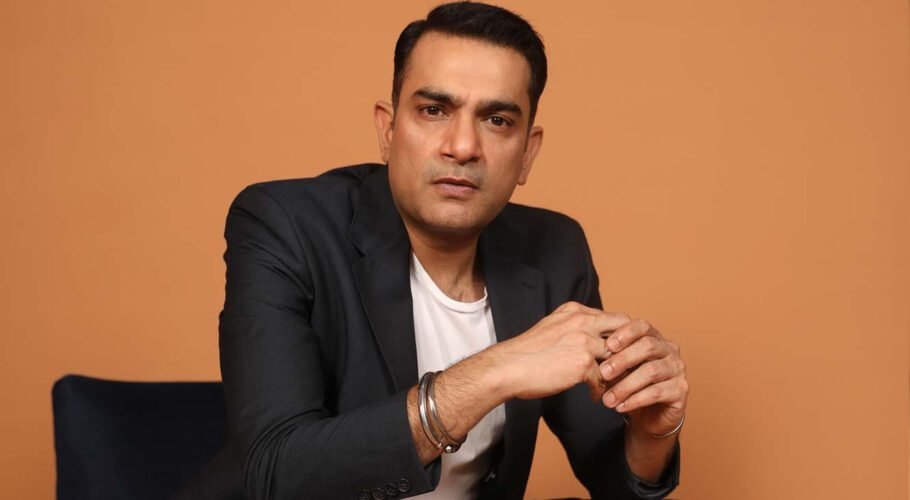
The Humsafar Spanish release is one of those stories that is about much more than a dubbing project. Pakistan’s most beloved television drama is being released in Spanish, taking the Ashar and Khirad story to a whole new audience across the Spanish-speaking world — and director Sarmad Khoosat has used the moment to say what much of the industry has been feeling for years. “If only there were royalties,” he wrote on his Instagram story, resharing HUM TV’s announcement of the Humsafar Spanish release.
That single line has turned a happy piece of news into an industry-wide conversation. Khoosat was not celebrating the dub so much as asking the uncomfortable question behind it: when a drama keeps earning attention — and money — years after its release, should the people who made it continue to benefit? For fans who watched Humsafar become a phenomenon in 2011 and 2012, the Spanish release is a reminder of just how far the drama has travelled. For the people who created it, it is a reminder of how little travelled back to them.
Humsafar Spanish Release: What We Know So Far
According to the report in Social Diary Pakistan, HUM TV announced that Humsafar would be dubbed into Spanish, extending the drama’s reach into Latin America, Spain and the large Spanish-speaking audiences worldwide. The Spanish release follows a well-established pattern for the show: years after its original run, it keeps finding new viewers, new platforms and new markets.
Director Sarmad Khoosat shared the channel’s announcement on his Instagram story and added his now widely quoted comment: “If only there were royalties.” He was not rejecting the Spanish release — he was pointing at the system behind it. In Pakistan, once a drama is made, the artists who created it rarely see any share of what it earns afterwards, no matter how many times it is re-aired, streamed, licensed or dubbed. The Humsafar Spanish release is the latest chapter of that story: the work travels, the creators do not get paid again.
Why Sarmad Khoosat’s Remark Hits a Nerve: Pakistan’s Royalty Problem
Khoosat’s comment landed because it describes a reality every television artist in Pakistan recognises. The country’s royalty system effectively disappeared in the 1990s, when television actors at PTV traded away their royalty rights in exchange for higher one-time salaries. At the time it may have looked like a fair deal. Decades later, as Pakistani dramas rack up millions of views on streaming platforms and get licensed into new languages, that decision keeps costing artists.
Khoosat is hardly a minor voice: he has since become one of South Asia’s most respected filmmakers, with Zindagi Tamasha winning at Busan and becoming Pakistan’s official entry for the 93rd Academy Awards. When someone of his standing says the words “if only there were royalties,” the industry listens — and so does the audience. The Humsafar Spanish release simply gave him the perfect occasion to say it.
Humsafar’s Legacy: From 2011 Classic to a Global Phenomenon
To understand why the Humsafar Spanish release matters, it helps to remember what the drama was. Based on Farhat Ishtiaq’s 2007 novel and adapted by the author herself, the 23-episode serial aired on Hum TV in 2011 and 2012, directed by Sarmad Khoosat and starring Mahira Khan and Fawad Khan as Khirad and Ashar. It made both of its leads into household names overnight and changed the grammar of the modern Pakistani drama — soft lighting, slow-burn emotion and restrained performances instead of melodramatic excess.
Fifteen years on, Humsafar remains the benchmark for Pakistani dramas. Its international afterlife — broadcasts, streaming runs and now the Humsafar Spanish release — introduces one of television’s most enduring romances to millions of new viewers. It is exactly that longevity — a show that never stops earning — that makes the royalty question so pointed.
Mahira Khan and the Industry-Wide Conversation on Fair Pay
Khoosat is not the only senior figure to raise the issue. His leading lady, Mahira Khan, has previously spoken about how television channels earn from content while junior artists and technicians often struggle financially. Her point and his are two sides of the same coin: the people at the top of the billing can sometimes negotiate their way to a fair deal, but the system has no built-in mechanism that pays creators as their work keeps generating revenue.
The conversation goes beyond any single star. Fair royalty payments could provide long-term financial support to actors, directors, technicians and other creative professionals who are currently paid once and forgotten. As Pakistani dramas find audiences worldwide, this Spanish release renews the most basic question in creative economics: if a drama keeps earning attention years later, shouldn’t its creators share in it?
What the Humsafar Spanish Release Means for Pakistani Content Abroad
Beneath the royalty debate lies a larger story: the Humsafar Spanish release is proof of how far Pakistani storytelling can travel. Dubbing into one of the world’s most spoken languages opens the drama to an enormous new audience as South Asian content rides a global wave — the kind of cultural export policymakers love to talk about.
But exports that do not pay their creators are a fragile foundation. If Pakistan wants its dramas to keep conquering new markets, the royalty conversation that Sarmad Khoosat has reignited will have to move from Instagram stories to actual policy — contracts that share revenue, collection societies that track usage, and an industry consensus that a hit should keep paying the people who made it a hit. The Humsafar Spanish release will introduce Ashar and Khirad to a new continent. The question Khoosat asked is whether the people behind them will ever see a share of the journey.
Sources: Social Diary Pakistan, News Lens Pakistan
Related Posts
 ShowbizIs Imran Abbas Really Quitting Showbiz? Actor Denies Exit Reports, Says Remarks Were Misinterpreted
 ShowbizAyeza Khan’s White Dress at Patakha Pictures Anniversary Sparks Online Debate
 ShowbizSamar Jafri Walks Off Hyderabad Stage Mid-Concert Over Safety Concerns
 ShowbizMikaal Zulfiqar Reacts with Grace After Being Called a “Rising Star” at Pashmina Launch
 ShowbizSHC Rules for Ghost School Film: Court Sets Aside Most Censor Cuts, Orders Fresh Certificate in 10 Days
 ShowbizMango Jutt: Hareem Farooq and Faysal Quraishi’s Punjabi Film Gets Mixed Public Verdict
Most Popular
 How-ToPTA Tax Calculator 2026: Check Mobile Tax on Any Phone167 views
 Canada JobsTech Jobs in Canada: Roles, Salaries, and Skills Needed139 views
 TechnologyRedmi K100 Launching on 28 October: 10,000mAh Battery, 185Hz Display and Full Specs134 views
 TechnologyTecno Mobile Prices in Pakistan 2026: Spark, Camon and Pova Series Compared124 views
 ShowbizWomen’s Fashion in Pakistan 2026: Trends, Brands and Style Guide123 views
 TechnologyPaklaunch UNConference 26.2 New York: Pakistani Founders Meet 80 Global Investors at the Yale Club100 views