As winter arrives in Pakistan, many people notice the same change: skin that felt comfortable in autumn suddenly feels tight, dry, or dull. Lips may chap more easily, and hands may feel rough after washing. This is a common winter experience, and it does not need a long list of expensive products. What matters most is a simple, steady routine that protects the skin’s natural moisture and suits the local climate, from the dry cold of northern cities to the cooler days in Karachi and the plains of Punjab and Sindh.
This guide offers a practical winter skincare routine for Pakistani weather. It is general beauty and wellness information, not medical advice. Everyone’s skin is different, so patch-test any new product on a small area first, and if you have a persistent skin concern, speak to a dermatologist or pharmacist before changing your routine.
Why Pakistani Winter Is Hard on Skin
Winter in Pakistan is not the same everywhere, but one pattern is shared across most regions: colder air holds less moisture, and indoor heating makes the air inside homes drier still. When the air around us is dry, skin can lose moisture more quickly. Add cold wind outdoors, long hot showers, and heaters running through the night, and the skin’s surface can start to feel tight or look flaky.
Daily habits play a part too: very hot showers and strong foaming cleansers left over from summer can strip away natural oils, and rough woollen fabric can irritate some skin. Small changes — cooler water, a gentler cleanser, and moisturiser applied at the right moment — often improve comfort within days.
A Simple Morning Routine That Works
A good winter morning routine can be finished in about five minutes, and it follows a simple order: cleanse gently, add moisture, and protect. Start by washing the face with lukewarm water and a mild, gentle cleanser. Avoid harsh, heavily foaming washes in winter, and avoid scrubbing hard. The aim is to clean the skin without leaving it feeling squeaky or tight.
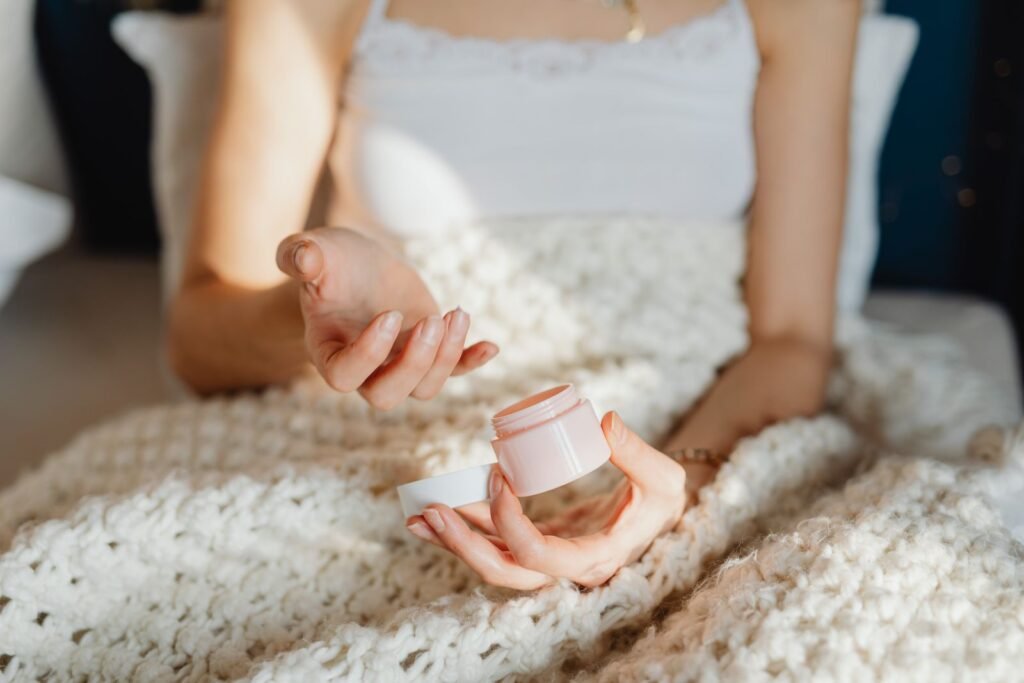
While the skin is still slightly damp, apply a moisturiser. This timing matters, because moisturiser applied to damp skin helps seal in the moisture that is already there. People with dry skin often prefer a richer cream in winter, while people with combination or oily skin may prefer a lighter lotion or gel-cream. The product should feel comfortable, not greasy, and should not sting or cause redness.
The final morning step is sunscreen, even in winter. It is a common myth that sunscreen is only for summer, but dermatologists advise daily broad-spectrum sunscreen with SPF 30 or higher all year round, because UV rays can pass through cloud — up to 80 percent on a cloudy day — and winter glare can still affect exposed skin. Apply it to the face, neck, ears, and hands, and reapply if you spend a long time outdoors.
A Calm Evening Routine
Evenings are the best time to let the skin rest. Start by removing makeup and sunscreen gently, then wash with the same mild cleanser used in the morning. There is no need to wash twice with a strong cleanser; over-washing is one of the easiest ways to dry the skin out further in winter.
After cleansing, apply a slightly richer moisturiser if your skin needs it. A thin layer is usually enough.
Once or twice a week, a gentle exfoliating step can be added in the evening, but only if the skin tolerates it well. Choose a gentle product, use it lightly, and skip it in any week when the skin feels sore or sensitive.
Choosing the Right Moisturiser for Your Skin Type
Choosing a moisturiser is less about finding one perfect product and more about matching the texture to your skin type and your local winter. Dry skin usually feels most comfortable with a thicker cream containing glycerin, hyaluronic acid, or ceramides, which help hold moisture at the skin’s surface.
Oily skin can still become dehydrated in winter, even if it looks shiny. Skipping moisturiser altogether is rarely helpful; instead, a light, water-based lotion or gel-cream often works better, giving hydration without a heavy, greasy feeling. Combination skin may need a lighter product on oilier areas and a richer cream on drier cheeks.
Sensitive skin benefits most from simplicity: fragrance-free, plain formulas are usually safest. Patch-test anything new behind the ear or on the inner arm for two or three days first.
Lips, Hands, Feet and Everyday Winter Habits
Lips, hands, and feet are often the first places to show winter dryness, because they are washed often and exposed to cold air. Keep a nourishing lip balm close at hand and apply it several times a day, especially after eating or drinking. For hands, use hand cream after washing and a richer layer before bed; for feet, lotion followed by soft socks overnight is a simple habit.
Beyond products, everyday habits matter. Keep showers short and lukewarm, apply body lotion to slightly damp skin straight after showering, and use a humidifier if heaters dry out the air at home. Soft cotton layers under woollen clothes reduce rubbing, a scarf outdoors shields the face from cold wind, and drinking enough water supports general comfort in winter.
Common Winter Mistakes and When to Seek Advice
Several common winter habits work against the skin without people realising it. Skipping sunscreen on cloudy days is one of the most frequent, followed by taking very hot showers, using a harsh summer cleanser all winter, and exfoliating too often. Another is layering many new, strongly fragranced products at once, which makes it impossible to tell which one the skin dislikes. Introduce one new product at a time, and give it a week or two before judging it.
Winter is not the season for drastic changes: strong new treatments and frequent switching can leave skin feeling stressed when it needs gentleness. A steady routine — gentle cleansing, timely moisturising, daily sun protection, and care for lips and hands — covers most winter needs. If you notice severe itching, deep cracks, or bleeding, visit a dermatologist or pharmacist rather than trying stronger products on your own.
Related Posts
 BeautyBeauty Products Price in Pakistan 2026: Full Guide
 BeautyBridal Makeup Kit Price in Pakistan 2026 (Full List)
 BeautyBest Nail Polish Brands in Pakistan 2026: Prices
 BeautyL’Oreal Products Price in Pakistan 2026 (Full List)
 Beautyperfume price in Pakistan – Best Perfumes in Pakistan 2026: Prices & Top Picks
 BeautyBest Hair Oil in Pakistan 2026: Prices & Top Picks
Most Popular
 How-ToPTA Tax Calculator 2026: Check Mobile Tax on Any Phone313 views
 SportsBallon d’Or 2026: London Ceremony, Nominees and All-Time Records Ahead of 70th Anniversary305 views
 SportsUEFA Champions League 2026-27: Format, Teams and Schedule303 views
 Canada JobsTech Jobs in Canada: Roles, Salaries, and Skills Needed288 views
 Pakistan NewsPIA Boeing 787 Lease Deal: What It Means for the Airline286 views
 TechnologyRedmi K100 Launching on 28 October: 10,000mAh Battery, 185Hz Display and Full Specs281 views