
Wheat Price in Pakistan 2026: Support Price and Market Rates
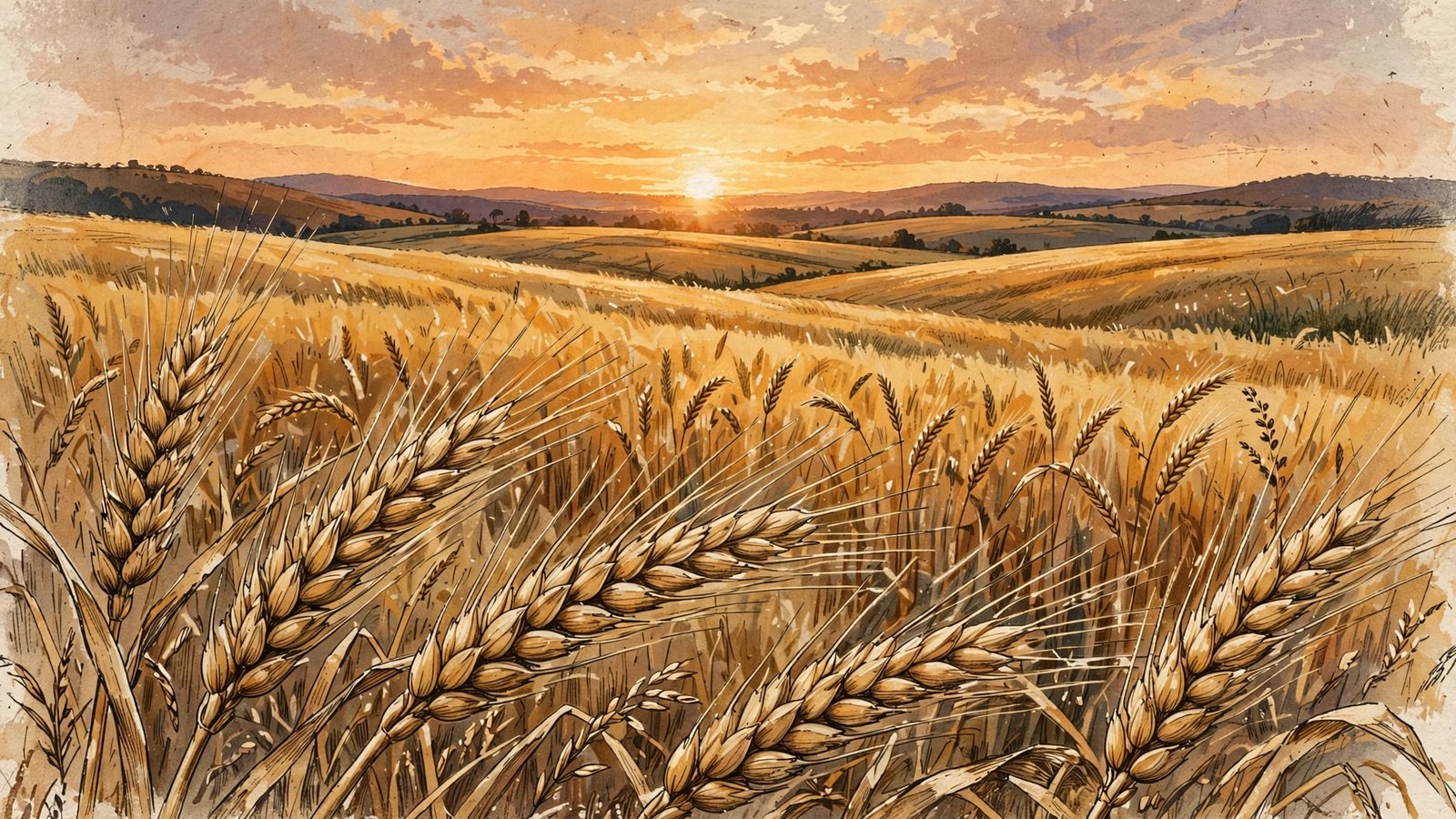
The wheat price in Pakistan has been one of the most closely watched numbers of 2026. Wheat is the staple behind every roti and loaf of bread, so even small movements in grain rates ripple through flour mills, bakeries, tandoors and household budgets across the country. As of 15 October 2026, open-market wheat is trading around Rs 4,000 to Rs 5,120 per maund (40 kg), with a national average of roughly Rs 4,560.
Wheat Price in Pakistan: Support Price and Official Policy
The most recent official benchmark remains the Punjab Wheat Policy 2026, which fixed the procurement rate at Rs 3,500 per maund. That policy promised farmers full payment at the time of sale and planned procurement of up to 2.5 million tonnes through a mix of government and private-sector stakeholders. The Rs 3,500 figure was aligned with the 2025 open-market rate at the time of announcement.
However, the support framework for the coming 2026-27 crop has not been announced yet. The Ministry of National Food Security and Research had published no support or indicative rate for the 2026-27 crop as of late September 2026, although a longer-term policy for 2026-2030 is said to be under preparation. With sowing in Punjab opening on 1 November, farmers’ groups are pressing for a decision. Pakistan Kissan Ittehad has demanded Rs 5,000 per 40 kg, arguing that farmers are not recovering input costs such as DAP fertiliser and diesel.
The open-market wheat price currently sits well above the official Rs 3,500 benchmark, which is why the gap between government and market rates has become a political issue this autumn.
Mandi Rates Across Major Cities
On the open market, rates vary by city and freight. According to live mandi data dated 14 October 2026:
- 40 kg mandi rate: Rs 4,000 to Rs 5,120 per maund, national average around Rs 4,560
- 100 kg wholesale bag: Rs 10,000 to Rs 12,800
- Retail chakki grain: Rs 108 to Rs 138 per kg for clean sifted wheat
- Government floor rate: Rs 3,900 to Rs 4,000 per maund (PASSCO/Food Department)
The Pakistan Bureau of Statistics reported that open-market grain averaged about Rs 5,437 per maund in the week ending 8 October 2026, rising Rs 338 in a single week — the sharpest weekly jump of the year. Karachi, Peshawar and Quetta trade Rs 300 to Rs 400 above Punjab rates because of freight costs. Daily live rates are published on the Punjab AMIS portal and trackers such as CheckPrice’s daily grain page.
Punjab’s Rs 10 Billion Flour Subsidy
Rising grain costs forced a major policy response in October 2026. After the worst weekly flour rise of the year, Punjab’s government approved a Rs 10 billion subsidy on 10 October 2026 to hold down atta prices. Under the move, flour mills receive government wheat at a release rate of Rs 3,800 per maund, and the official rate for a 10 kg bag of flour made from government wheat is set at Rs 1,100.
The subsidy aims to protect consumers through the rest of 2026, but its success depends on subsidised flour actually reaching retail shops at the notified rate — a perennial challenge in Pakistan’s food markets. Full coverage of the announcement is available at Pakera’s subsidy report. For the latest on atta specifically, see our flour price guide.
What Moves Grain Rates in Pakistan?
Several factors shape what farmers and consumers pay. Domestic production and government procurement set the baseline, while fuel costs, transport charges, miller margins and speculative hoarding create the swings. Global grain markets and the rupee-dollar exchange rate also matter, since Pakistan occasionally imports or exports wheat. Rising diesel costs — high-speed diesel is around Rs 396.82 per litre as of October 2026 — feed directly into transport charges, as tracked in our petrol price in Pakistan guide.
Outlook for the 2026-27 Season
The outlook hinges on the government’s yet-to-be-announced support rate for the 2026-27 crop and on the success of the Punjab flour subsidy. If sowing intentions fall because growers find the return unremunerative, stocks could tighten further by mid-2027. For now, households buying seasonal stock should compare mandi rates with retail chakki prices and watch official notifications rather than rumours. Keeping an eye on the wheat price each week helps families time their bulk purchases for the lowest rates. Grain costs will remain the single most important commodity number for Pakistani households through the winter.
Frequently Asked Questions
What is the wheat price in Pakistan today?
As of 15 October 2026, the average wheat price in Pakistan is around Rs 4,560 per maund (40 kg) in the open market, ranging from Rs 4,000 to Rs 5,120 depending on city and quality.
What is the official wheat support price for 2026?
Punjab’s Wheat Policy 2026 fixed the procurement rate at Rs 3,500 per maund. A support rate for the 2026-27 crop has not been announced yet, and farmers are demanding Rs 5,000 per maund.
What is the 10 kg atta bag rate in Punjab?
Under the October 2026 Punjab subsidy, the official rate for a 10 kg bag of flour made from government wheat is Rs 1,100.
Why is wheat expensive in 2026?
Rising input costs (fertiliser, diesel), higher transport charges and strong demand pushed open-market rates well above the Rs 3,500 support level.
When is the best time to buy seasonal wheat stock?
Right after harvest (April-May) rates are usually lowest; check the wheat price in your local mandi before buying in bulk for the year.
Wheat Price in Pakistan 2026: Support Price and Market Rates
The wheat price is Pakistan’s most politically sensitive commodity number, linking farmer incomes to the cost of roti. The wheat support price pakistan announcement sets the procurement benchmark, while the wheat rate per 40kg 2026 varies by market. The punjab wheat price today leads the national market as the largest producing province. Tracking the wheat price through the harvest season helps farmers time their sales wisely.
Related Posts
 BusinessPakistan Introduces Electronic Power Monitoring System to Crack Down on Power Theft
 BusinessTech Stocks Trillion Loss: $1 Trillion Wiped Out as Oil Hits $110
 BusinessLululemon Chief Product Officer: Maggie Gauger Joins as President & CPO in Leadership Overhaul
 BusinessKOSPI Index Crash: South Korea’s KOSPI Suffers 7.57% Drop, Triggering Circuit-Breakers
 BusinessBlinkit Reliance Food Probe: Indian Regulators Name Executives in Expired Food Case
 BusinessHDFC Bank Profit Miss: Q2 Net Profit Rises 4.7% but Treasury Slump Disappoints
Most Popular
 How-ToPTA Tax Calculator 2026: Check Mobile Tax on Any Phone87 views
 BISPPunjab Driving License Scam Alert: Fake Websites & “Without Test” Fraud | UrduPro80 views
 Canada JobsTech Jobs in Canada: Roles, Salaries, and Skills Needed76 viewsBusinessTech Stocks Trillion Loss: $1 Trillion Wiped Out as Oil Hits $11066 views
 TechnologyTecno Mobile Prices in Pakistan 2026: Spark, Camon and Pova Series Compared62 views
 ShowbizWomen’s Fashion in Pakistan 2026: Trends, Brands and Style Guide59 views