Wasim Akram has turned down an offer to mentor a team in the Afghanistan Premier League, choosing to stand with the Pakistan Cricket Board after it refused to clear Pakistani players for the tournament. The former captain’s decision was reported by Geo News on Friday 6 November, and it comes as more than 30 Pakistani cricketers who entered the league’s draft went unpicked.
Akram is one of the greatest fast bowlers the game has ever seen, and his name still carries enormous weight across the region. A mentorship role in the new league would have been a natural fit — a former captain and a Pakistan Super League mentor passing on his experience to a young side. Instead, he said no, and he said it quietly.
The offer — and the quiet no
Akram was approached for a mentorship role with one of the Afghanistan Premier League teams, according to sources cited by Geo News. The sources said he decided against accepting the offer in line with the board’s position. Neither Akram nor the PCB has commented publicly on the matter, so the account rests on the sourced report for now.
The quiet nature of the refusal is in keeping with Akram’s public style. A PSL mentor and a commentator with a large following across the region, he has generally avoided public comment on politics. By declining without a statement, he has aligned himself with the board without turning the decision into a public row — at a time when cricket has become another arena for the strain between the two neighbours.
The PCB’s NOC wall — and 30-plus players left out
The board decided earlier not to issue no-objection certificates (NOCs) to national cricketers seeking to play in the Afghanistan Premier League. Without an NOC, players contracted to or registered with the board cannot take part in overseas leagues, so the decision effectively closed the door on the tournament for Pakistan’s active players.
More than 30 Pakistani cricketers had registered for the league’s draft, including Fakhar Zaman, Saim Ayub, Hasan Ali, Shan Masood, Abdullah Shafique, Faheem Ashraf and Imad Wasim, according to reports. None of them was selected, amid uncertainty over their availability because of the diplomatic tensions between Pakistan and Afghanistan.
Two former stars said yes

Akram’s decision contrasts with two other former Pakistan stars. Former all-rounder Azhar Mahmood has taken a coaching role with the APL team Paktia, and former captain Waqar Younis has become a team ambassador, Geo News reported.
The difference is their status. As retired players without central contracts, Mahmood and Younis are not bound by the NOC rules that apply to active cricketers. Their acceptances show that the board’s wall applies to contracted players — not to every former star with a link to the game.
Why the board drew the line
Pakistan and Afghanistan share deep cricketing ties. Many of Afghanistan’s early players learned the game in refugee camps in Pakistan, and the two sides have since produced some of the most heated contests in Asian cricket. The sport was once one of the few bridges between the two countries.
Relations between the two governments have deteriorated, with Islamabad citing attacks it has linked to networks operating from Afghanistan and sending back more than 2.8 million Afghans since 2023. Against that background, the PCB’s refusal to clear players for the Afghan league is a sporting decision shaped by a political freeze — and Akram’s refusal to mentor in the league follows the same line.
Meanwhile, the T10 door opens
The same day, the PCB reached a very different outcome with another league. The board and the Abu Dhabi T10 organisers agreed terms over NOCs, paving the way for Pakistani cricketers to take part in the tournament, which begins on 7 November. Sources said the agreement includes compensation and facilities worth up to USD 200,000 for the PCB in exchange for issuing the NOCs.
Sixteen Pakistani players were selected by five of the six franchises in the draft on 30 September, including Naseem Shah, Shadab Khan, Mohammad Amir, Fakhar Zaman and Faheem Ashraf. Their participation had looked highly unlikely after the PCB reportedly demanded USD 10,000 per NOC, according to ESPNcricinfo, leaving franchises scrambling for replacements days before the tournament.
The contrast is sharp. Last month the PCB also withheld NOCs for players selected for the Nepal Premier League, reportedly seeking USD 25,000 per player. Hussain Talat and Jahandad Khan continued playing, while several other Pakistani cricketers returned without featuring in the competition. The T10 deal shows the board will open the door when the terms suit it — the Afghan league, for now, is a door it has chosen to keep shut.
What happens next
The Afghanistan Premier League will go ahead without Pakistani talent — a notable absence for a league in a region where Pakistani players have long been a staple of franchise cricket. The league could still prove attractive given Afghanistan’s star-studded player pool and the overseas players it can draw, but the absence of Pakistanis will be noticed.
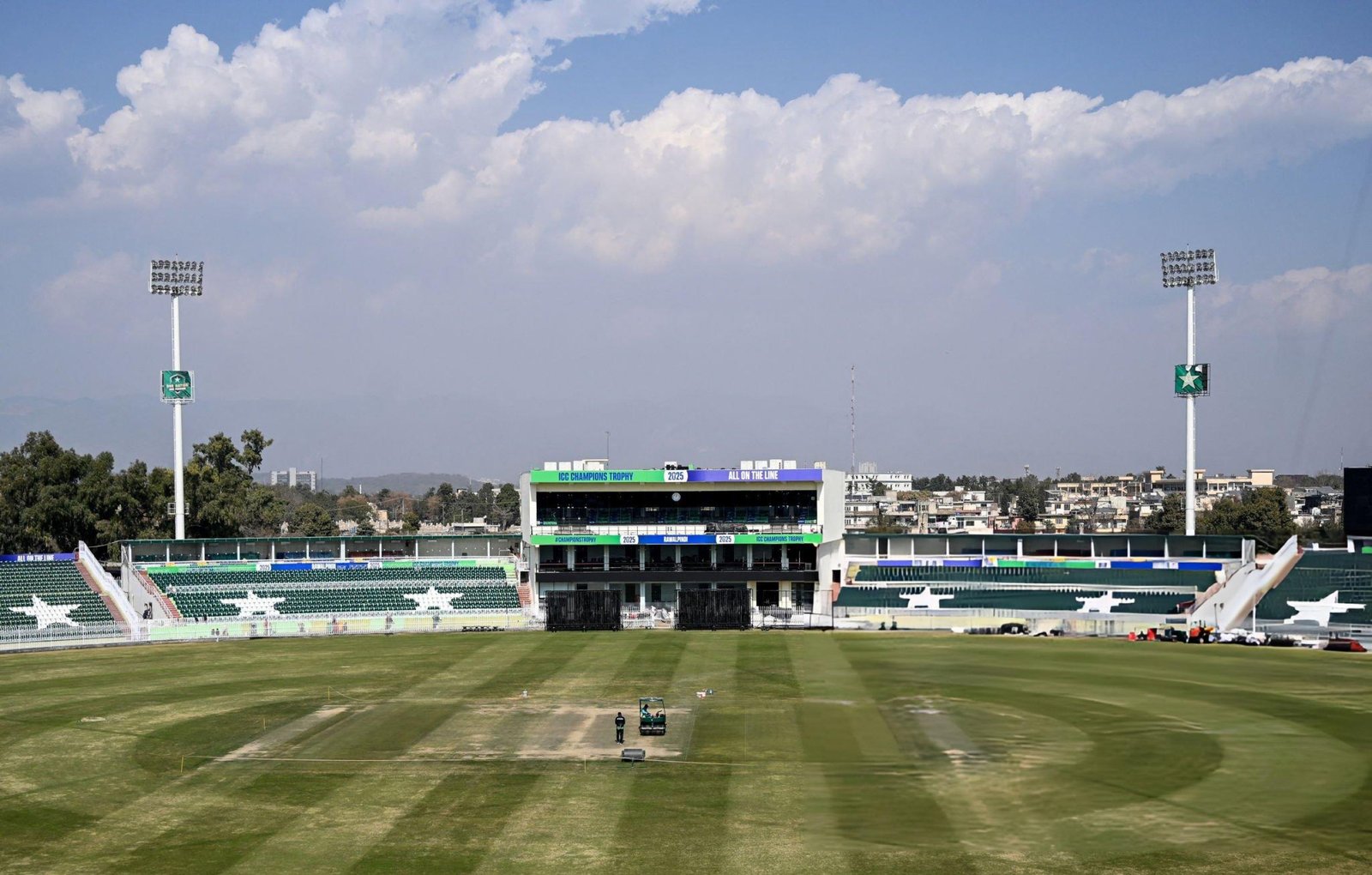
For Pakistan’s players, attention turns to the home Test series against Sri Lanka, which starts at Rawalpindi on 9 November, and to the Abu Dhabi T10 from 7 November. Whether the PCB’s stance on the Afghan league softens will depend on the wider relationship between the two neighbours. For now, Wasim Akram has made his own position clear — by saying no.
Related Posts
 SportsPakistan vs Sri Lanka Test Tickets on Sale Today from Rs 200
 SportsCristiano Ronaldo Retires From International Football: Portugal Legend Ends 23-Year Career With Record 234 Caps and 146 Goals
 SportsArafat Minhas Nominated for ICC Men’s Player of the Month After Tri-Series Heroics
 SportsPCB Demands $10,000 Per Player for Abu Dhabi T10 NOCs — 16 Pakistan Stars May Miss the Tournament
 SportsIndia Beat Pakistan 3-2 in SAFF Championship 2026 Opener After Late Pakistan Fightback
 SportsHarry Kane Signs Record Bayern Munich Contract Until 2029 and Becomes Europe’s Highest-Paid Player
Most Popular
 How-ToPTA Tax Calculator 2026: Check Mobile Tax on Any Phone417 views
 Pakistan NewsPIA Boeing 787 Lease Deal: What It Means for the Airline389 views
 Canada JobsTech Jobs in Canada: Roles, Salaries, and Skills Needed387 views
 SportsUEFA Champions League 2026-27: Format, Teams and Schedule384 views
 TechnologyPM Shehbaz Sets November Deadline for Alibaba AI and Digitalisation Projects in Pakistan364 views
 ShowbizWomen’s Fashion in Pakistan 2026: Trends, Brands and Style Guide360 views