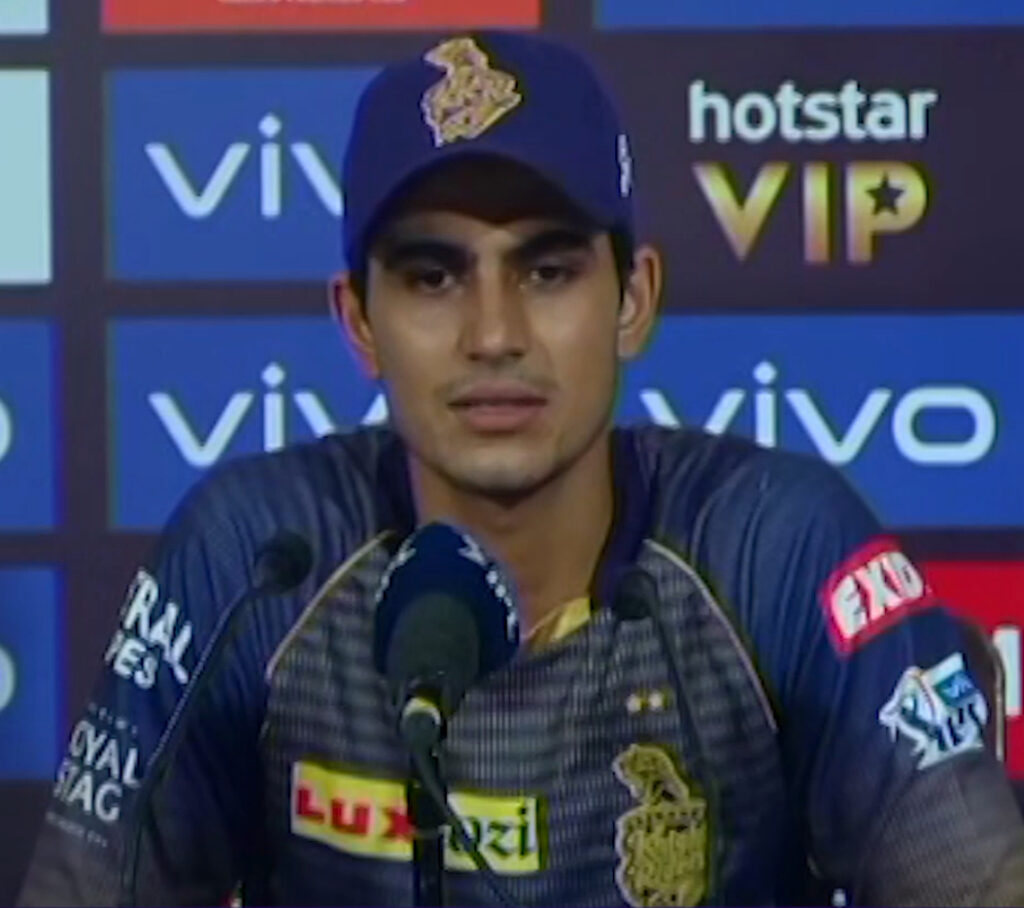
The Shubman Gill DRS controversy has become the most searched cricket story in Pakistan this week, after the India captain was caught in an animated on-field argument with umpire Richard Illingworth during the first Test against New Zealand in Wellington. The flashpoint came on the opening day of the match at the Basin Reserve on Thursday, 19 November 2026, when a disputed review went against India and denied Jasprit Bumrah a wicket — and the clip of Gill making his case to the umpire has since spread across social media, with fans split over whether the technology got it right.
Gill, leading India in the two-match Test series, had won the toss and chosen to bowl first, backing a four-pronged pace attack and leaving out Mohammed Siraj and Ravindra Jadeja. Bumrah, playing his first Test in nearly a year, had already wrecked New Zealand’s top order with three of the first five wickets. But the Shubman Gill DRS controversy erupted when the fast bowler thought he had a fourth — and the third umpire disagreed.
What happened in the 31st over

The incident arrived in the 31st over of New Zealand’s first innings, with the hosts on 80 for 5 and Glenn Phillips on just 6. Bumrah pitched one on a good length and seamed it back in sharply. The ball beat Phillips’ inside edge and thudded into the pad, and India appealed loudly for leg before wicket. On-field umpire Richard Illingworth turned the appeal down.
Gill walked over to Bumrah for a quick conference before deciding to send the decision upstairs. Bumrah himself had a doubt — he worried the delivery might have been too high to hit the stumps — but Gill was convinced there had been no contact with the bat and backed his own reading of the dismissal. India took the review.
The replays only deepened the argument. The Snickometer showed a large spike as the ball passed the bat, yet the front-on camera angle appeared to show a visible gap between bat and ball, with the ball striking Phillips on the back pad. Third umpire Paul Reiffel examined the footage several times and concluded he could see a slight deflection off the inside edge. He stayed with Illingworth’s not-out call, and India lost the review.
Gill did not let it go. He approached Illingworth and engaged in a lengthy, animated exchange, gesturing to indicate the gap between bat and ball and insisting the delivery had hit the back pad first. The umpire explained his reasoning, but Gill shook his head and walked back to his fielding position, clearly unconvinced. The video of the exchange, shared by the Sony Sports Network, quickly went viral.
Why the Snickometer split opinion
The heart of the Shubman Gill DRS controversy is a familiar cricket argument: what counts as proof of an edge. The spike on the Snickometer suggested the ball had brushed something as it passed the bat, and the third umpire treated that as enough to uphold the on-field decision. But the front-on pictures told a different story to many viewers, showing daylight between bat and ball at the moment the ball passed.
Fans online were divided. Some backed the officials, arguing that the spike could only have come from contact with the bat and that the third umpire was right to give the batter the benefit of the available evidence. Others sided with Gill, saying the visual evidence showed no edge and that the spike alone should not have been enough to overturn India’s case for leg before wicket. The debate also revived wider questions about the reliability of the Snickometer, which picks up sound rather than showing contact directly.
What made the moment sting for India was the context. Bumrah had already removed three of the first five New Zealand batters, and a fourth wicket at that stage would have left the hosts in deep trouble at 80 for 6. Instead, Phillips survived — and went on to make India pay heavily.
Gill had already said no to a review once
The Phillips incident was not even India’s first DRS talking point of the day. Earlier, in the 11th over, a delivery from Anshul Kamboj to Rachin Ravindra had produced an audible noise as it passed the outside edge, and wicketkeeper Rishabh Pant was certain there had been contact. Pant urged Gill to take the review, but the captain decided to trust his bowler’s assessment — Kamboj had not appealed convincingly — and did not send it upstairs.
Moments later, the big-screen replay showed a spike on the sound technology precisely as the ball passed Ravindra’s outside edge, suggesting India had let a wicket-taking opportunity slip without even using a review. The two incidents together left Gill’s DRS judgement under the microscope on the same day: one review taken and lost, one not taken at all, and both decisions questioned within hours.
Phillips and Nicholls made India pay
The cost of the disputed call became clear as the day wore on. Phillips, who had been on 6 when the review went against India, went on to score 118 from 216 balls, including 13 boundaries. He shared a 216-run partnership for the sixth wicket with Henry Nicholls, who finished unbeaten on 175 from 335 balls. Together, the pair dragged New Zealand from 70 for 5 to a first-innings total of 368 all out in 121 overs.
Bumrah still finished as India’s most effective bowler with figures of 4 for 92, but the recovery meant New Zealand had posted a competitive total from a position where they had looked in serious trouble. At stumps on day one, the hosts were 243 for 5, with Nicholls unbeaten on 113 and Phillips on 86 — the two batters who would dominate the rest of the innings.
Where the Wellington Test stands now
By tea on day three, on Saturday 21 November, India had fought back strongly. KL Rahul struck an unbeaten 124, his first Test century in New Zealand, and became the first Indian opener to score Test hundreds in all four SENA countries — South Africa, England, New Zealand and Australia. Devdutt Padikkal added 80, Yashasvi Jaiswal made a rapid 85, and India reached 344 for 2, trailing New Zealand by only 24 runs with eight wickets in hand. Gill himself was unbeaten on 36 at the interval, having come out swinging after Padikkal’s dismissal.
The Shubman Gill DRS controversy will not decide the Test — that will be settled by the batting of both sides over the remaining days — but it has already become one of the defining images of the series. It also explains why the India captain’s name has topped Google searches in Pakistan this week: a disputed call, a captain arguing his case in full view of the cameras, and a technology debate that cricket fans never seem to tire of. The second Test will give Gill and his team a chance to put the argument behind them, but the pictures from Wellington will be replayed for a long time yet.
Related Posts
 SportsPCB Drops Rizwan and Shan Masood in Central Contracts Shake-Up as Babar and Agha Lead New Format-Based List
 SportsMohammad Amir Rules Out England Switch: “I Will Not Play International Cricket for England”
 SportsHarry Kane Ankle Injury: Bayern Striker Out for Three Months After Köln Clash
 SportsAbu Dhabi T10 Final 2026: Azam Khan’s 52 Powers UAE Bulls to Back-to-Back Title Over Yas Lions
 SportsIndia Boycotts Blind Cricket Asia Cup Ceremony After Pakistan Named Champions Without a Ball Bowled
 SportsPakistan Shaheens Beat UAE by 61 Runs in Asia Cup Rising Stars 2026 Opener
Most Popular
 How-ToPTA Tax Calculator 2026: Check Mobile Tax on Any Phone421 views
 Pakistan NewsPIA Boeing 787 Lease Deal: What It Means for the Airline396 views
 Canada JobsTech Jobs in Canada: Roles, Salaries, and Skills Needed392 views
 SportsUEFA Champions League 2026-27: Format, Teams and Schedule390 views
 TechnologyPM Shehbaz Sets November Deadline for Alibaba AI and Digitalisation Projects in Pakistan370 views
 ShowbizWomen’s Fashion in Pakistan 2026: Trends, Brands and Style Guide366 views